Editing a Church Cookbook Taught Me More About Writing Than College Did
Three hundred recipes from ninety-one women, and what they taught me about clarity, voice and the word "some."


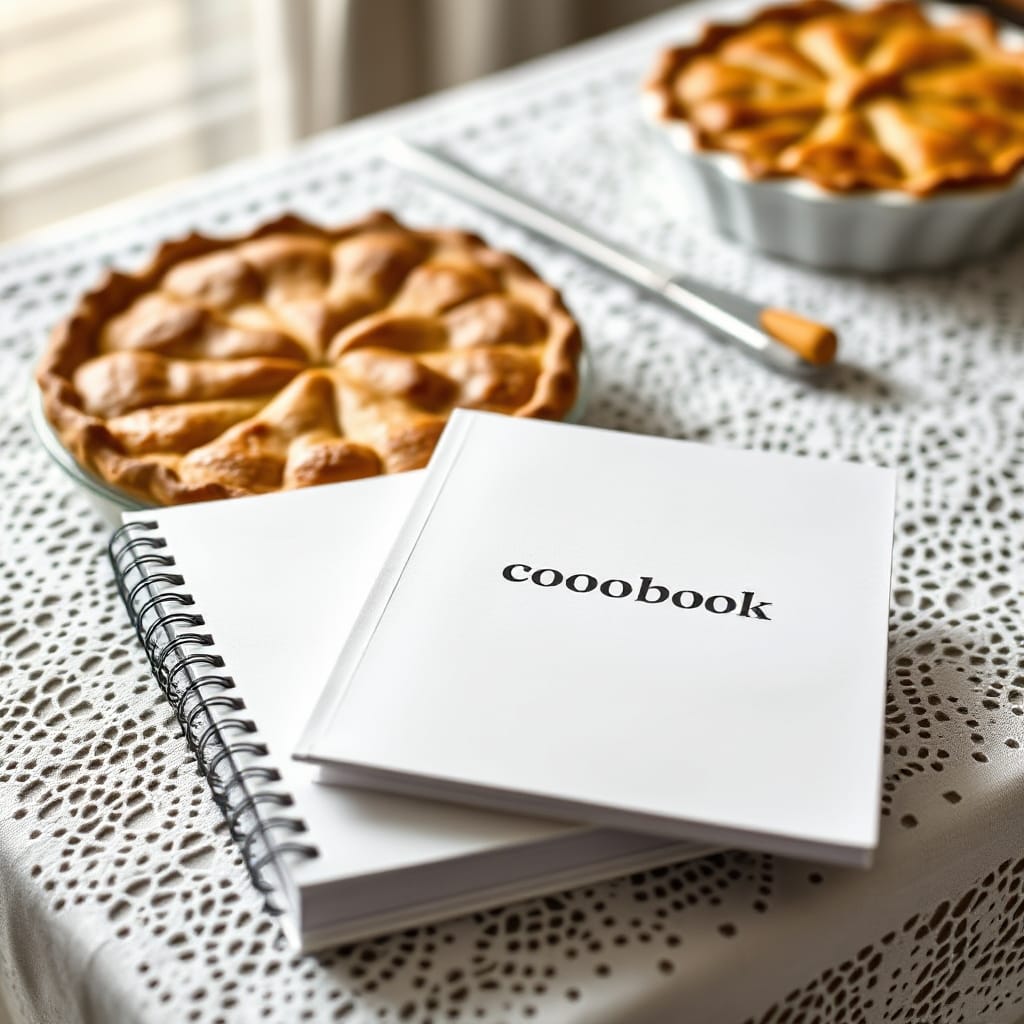
In 2019 the women's circle at my church decided to put together a cookbook for our 150th anniversary, and because I had once mentioned that I liked grammar, I was made the editor. I said yes thinking it would take a few weekends. It took fourteen months.
I have an English degree from a state college and I read constantly, but I learned more about writing from those three hundred recipes than from any seminar. Here is some of what they taught me.
Every writer assumes the reader was in the kitchen
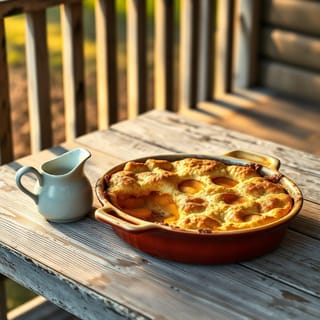
The most common problem by far was missing information that the writer simply couldn't see. "Add flour until it looks right." "Bake until done." "Some sugar." One recipe for chicken pie said only, at the end, "You know the rest."
These women weren't careless. They had made these dishes so many times that the knowledge had moved from their heads to their hands. Writing it down meant translating it back, and they skipped the parts that felt obvious.
I see the same thing in almost every piece of writing now, including my own. The steps that feel most obvious to the writer are the ones the reader most needs.

Voice is not the same as correctness
My first instinct was to make every recipe consistent. Same abbreviations, same order, same tone. I spent a month doing that and then showed a draft to Mrs. Odessa Bell, who was ninety and had contributed her mother's spoonbread.
She read her page and said, "That doesn't sound like Mama anymore."
She was right. I had fixed the grammar and removed the person. Her original had said "beat it like it owes you money." My version said "beat vigorously." I put the original back. After that I changed my rule: fix anything that would confuse a cook, leave anything that sounded like a human being.
Cut, then cut again
Some recipes came in with long introductions about who first made the dish, at which reunion, and what happened to the cousin who dropped it. I loved these, but the book had a page limit. I learned to find the one sentence in each story that carried the most weight and keep only that.
It was painful. It also made every one of those little introductions better. A single line like "Made every Easter since the flood of '64" says more than a paragraph.
Ask a stranger to test it
The best decision we made was to have each recipe tested by someone who had never eaten the dish. If the tester got confused, the recipe got rewritten. A retired pharmacist who had just moved to town tested about forty recipes and became the most valuable editor we had, because she knew nothing and was not afraid to say so.
What I carry now
When I write anything now, a letter, a church bulletin, even a post like this one, I hear those lessons. Say the obvious thing. Keep the voice. Cut the paragraph down to its best sentence. Hand it to someone who wasn't there.
The cookbook sold out its first printing in three months. We used the money to fix the fellowship hall roof. Mrs. Bell's spoonbread is on page 112, and it still sounds exactly like her mother.