I Tracked Every Krone I Spent for Ten Years. Here Is What Actually Mattered.
After a decade of spreadsheets, only three numbers turned out to change my life.

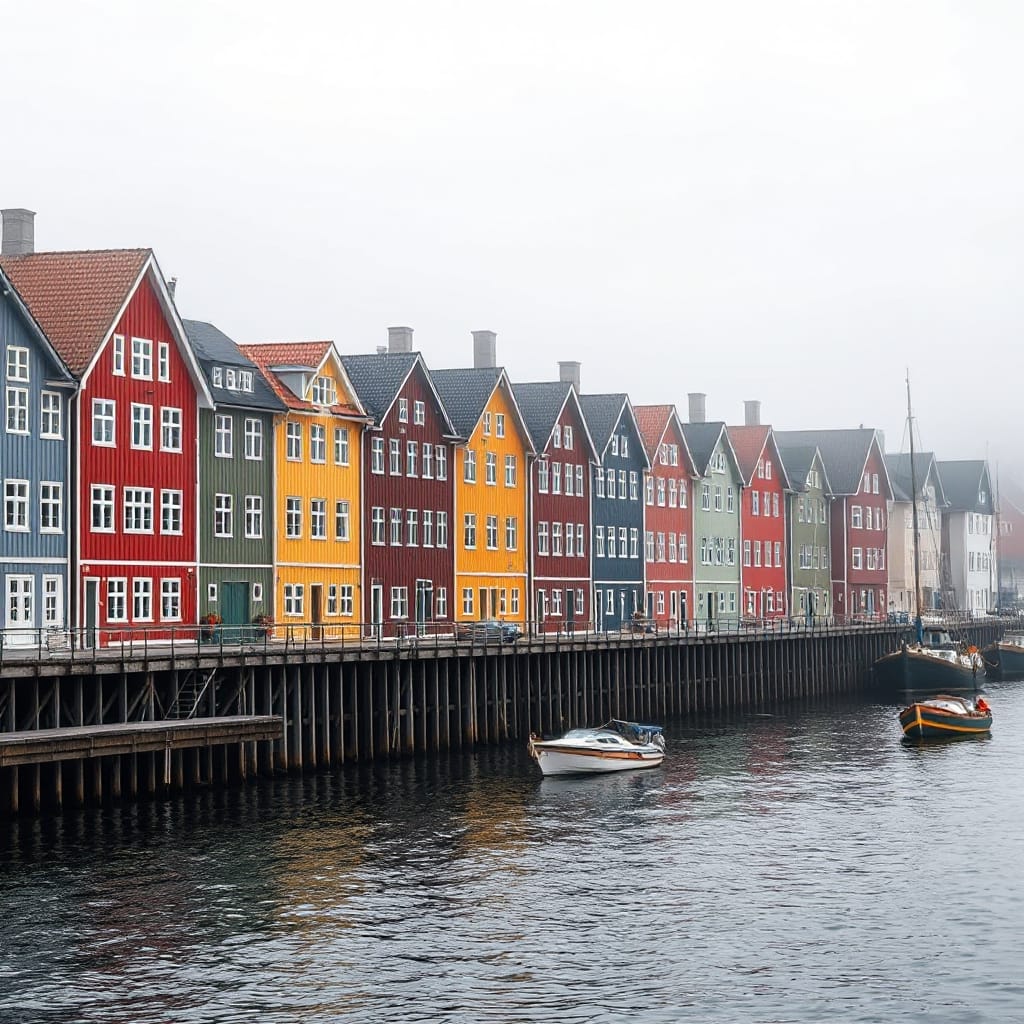
On the first of January 2014, I opened a spreadsheet and started writing down every krone I spent. Groceries, ferry tickets, the occasional waffle at the bakery in Bergen's fish market, all of it. I kept going for ten years, until the last day of 2023. My husband thought it was a phase. My daughter thought it was slightly mad. I thought it would make me rich.
It did not make me rich. But it did teach me which numbers matter and which are just noise, and I want to share that, because I spent a lot of evenings learning it.
Most categories did not matter
In the first two years I tracked about forty categories. Coffee, lunches, books, gifts, parking, and so on. I spent a lot of time worrying about small things. One year I was proud of cutting my café spending by 1,800 kroner.
Looking back at ten years of data, those small categories added up to very little. Coffee and lunches together were around 3 percent of our total spending. Even if I had cut them to zero, which would have made me miserable, it would not have changed our financial position in any meaningful way.

The three numbers that did matter
When I finally sat down and looked at the whole decade, three things explained almost everything.
- Housing. Our mortgage and running costs on the house were about 31 percent of spending. The single best financial decision we made was refinancing in 2016 and choosing a smaller home in 2019 when our son moved out.
- Cars. We owned two cars until 2018. Selling one and using the bybane, Bergen's light rail, saved us roughly 45,000 kroner a year once you count insurance, tolls, fuel, and repairs.
- Our savings rate. The percentage of income we did not spend. In the years when we automatically moved money to savings on payday, our rate was around 18 percent. In years when we saved whatever was left over at month's end, it was closer to 6 percent.
Everything else was rounding error.

What the tracking was really good for
The detailed tracking was not useless. It gave me something I did not expect: calm. When my husband was worried about money during his period of unemployment in 2017, I could open the sheet and show him exactly what we needed each month to be fine. The number was lower than he feared. That conversation was worth the ten years of typing.
What I do now
I stopped tracking every purchase at the start of 2024. Instead, once a month I look at four things: the three big numbers above and our total spending. It takes about twenty minutes with a cup of coffee on the first Sunday of the month.
If you are thinking about tracking every expense, I would say: try it for one year, not ten. You will learn your patterns quickly. Then let the small categories go and watch the big ones carefully.
My daughter recently started tracking her own spending in an app. She called me to complain that she spends too much on takeaway coffee. I told her, gently, to check her rent first.