What a Giant National Savings Fund Taught Me About My Own Savings
Norway's oil fund follows a few simple rules. I borrowed three of them for our family budget.


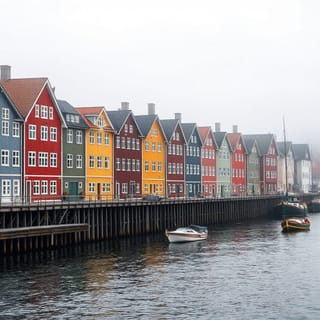
Every Norwegian grows up hearing about the oil fund. Officially it has a long name, but everyone just calls it oljefondet. It is enormous, it is owned by all of us, and it follows a handful of rules that politicians argue about every few years but rarely change.
A few years ago, after reading a long newspaper explainer on a train to Oslo, I realized that our family finances could use the same kind of rules. Not the same scale, obviously. But the same principles. Here are the three I borrowed and how they worked out.
Rule one: only spend the expected return
The fund has a guideline that the government should only spend roughly the expected real return each year, not the money itself. The idea is that the fund lasts forever.
For our family, this became a rule for our long-term savings. We decided we would never withdraw from that account except in a true emergency, and when we retire, we will try to live on a modest percentage each year rather than a lump sum. It sounds obvious. In practice, it stopped us from using savings for a new kitchen in 2019 and a car in 2021. We paid for both from current income over time instead, which meant waiting longer. The kitchen was worth the wait.
Rule two: own a little of everything
The fund owns small pieces of thousands of companies around the world. It does not try to pick winners. When I first understood this, I felt relieved. If a fund run by serious professionals mostly spreads its money widely, I did not need to pretend I could do better by picking a few exciting stocks.
Our long-term savings went into broad, low-cost global funds. My husband had owned shares in three Norwegian companies he liked. He sold two of them and kept one, mostly for sentimental reasons. It has done worse than the global fund, and he knows it, and we tease him about it at Christmas.

Rule three: write the rules down when you are calm
The part that impressed me most was not any single rule. It was that the rules are written down and debated in calm times, so that nobody has to invent them in a crisis.
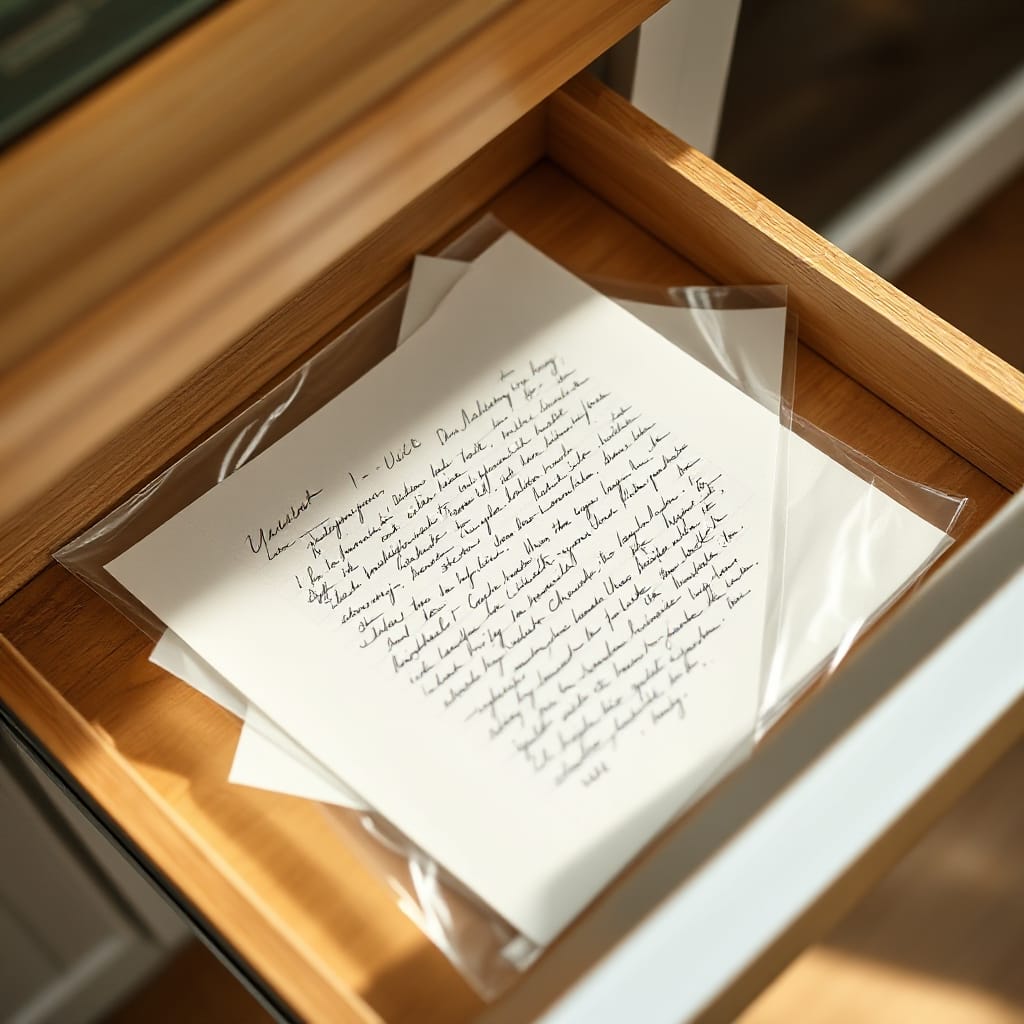
We did the same thing at our kitchen table one Sunday in 2018. We wrote a single page:
- How much we save each month, as a percentage of income.
- What counts as an emergency.
- What we do if the market drops sharply, which is nothing.
- When we review the page, which is once a year, in January.
When the market fell in March 2020, my husband wanted to sell. I took out the page. It said, in his handwriting, "If the market drops sharply, we do nothing." He laughed, a little annoyed, and we did nothing.
What does not translate
A national fund has advantages a family does not. It never gets sick, never loses a job, and has a time horizon of forever. We need cash for real life, so we keep a separate buffer that is not invested. Our rules have to bend for children, parents, and roofs.
Still, the habit of deciding calmly, writing it down, and then following it has saved us from at least three bad decisions. That single page is in a plastic sleeve in the kitchen drawer, next to the takeaway menus.