Southern Gothic Is Not a Costume: A Reader From Savannah Talks Back
Tourists come here for the ghosts and the moss, but the books that get this place right are about something quieter and harder.

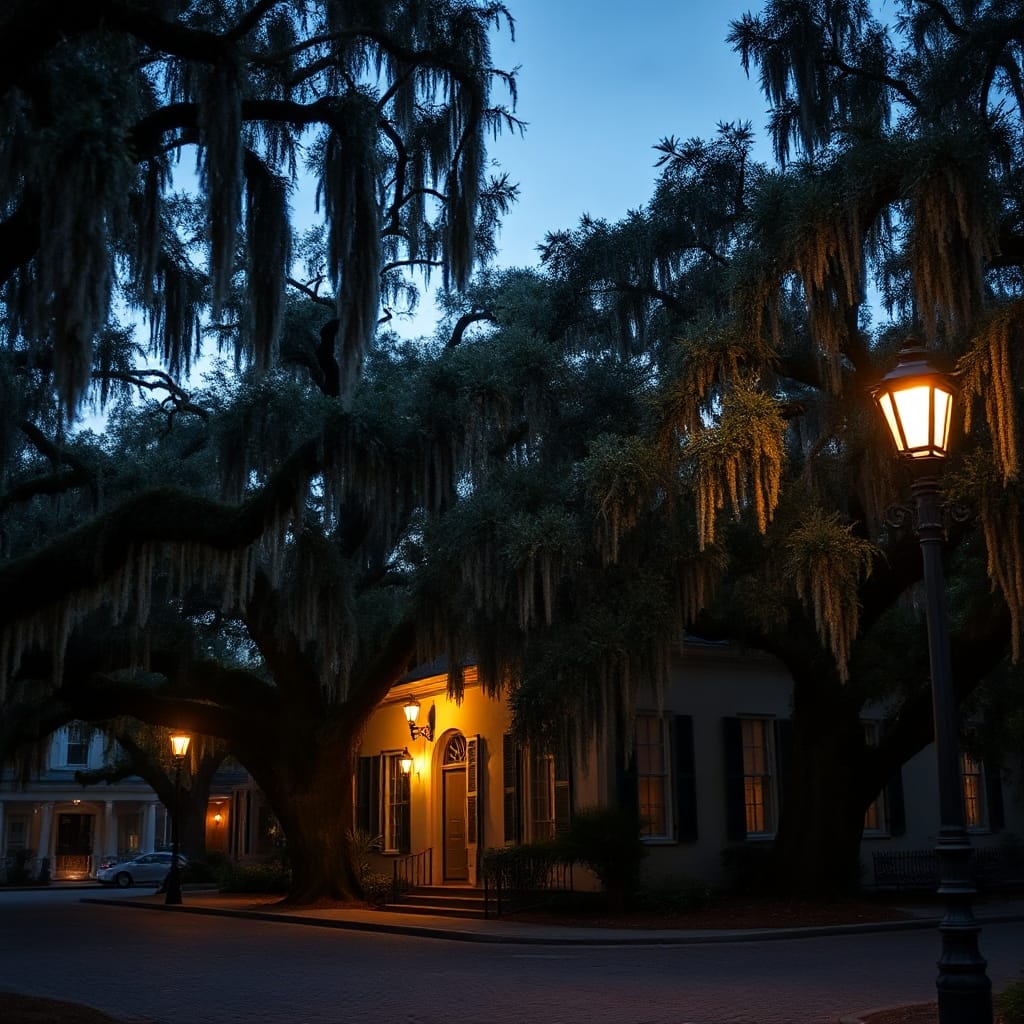
Every few weeks a tour trolley stops on my street and a man in a top hat tells forty visitors that the house two doors down is haunted. It isn't. A dentist lives there with his wife and two very loud beagles. But Savannah has made a cottage industry of spooky, and I understand why. The moss, the squares, the old houses with their shutters half closed. It looks like a novel.
I have been reading Southern fiction my whole life, and I have some feelings about the way the word "gothic" gets used around here.
What people think it means
When most visitors say Southern Gothic, they mean atmosphere. Crumbling plantation houses, ghosts, a beautiful madwoman upstairs, a heavy humid feeling where something terrible is about to happen. That's the costume. You can buy it on a T-shirt on River Street.
The atmosphere is real enough, and the best writers in the tradition use it. But it's never the point.
What it actually is, to me
The books I love in this tradition are about families and towns that cannot say out loud what everybody knows. They are about the gap between how a place presents itself and what it actually did. The strangeness, the grotesque characters, the violence, those are what come leaking through that gap.
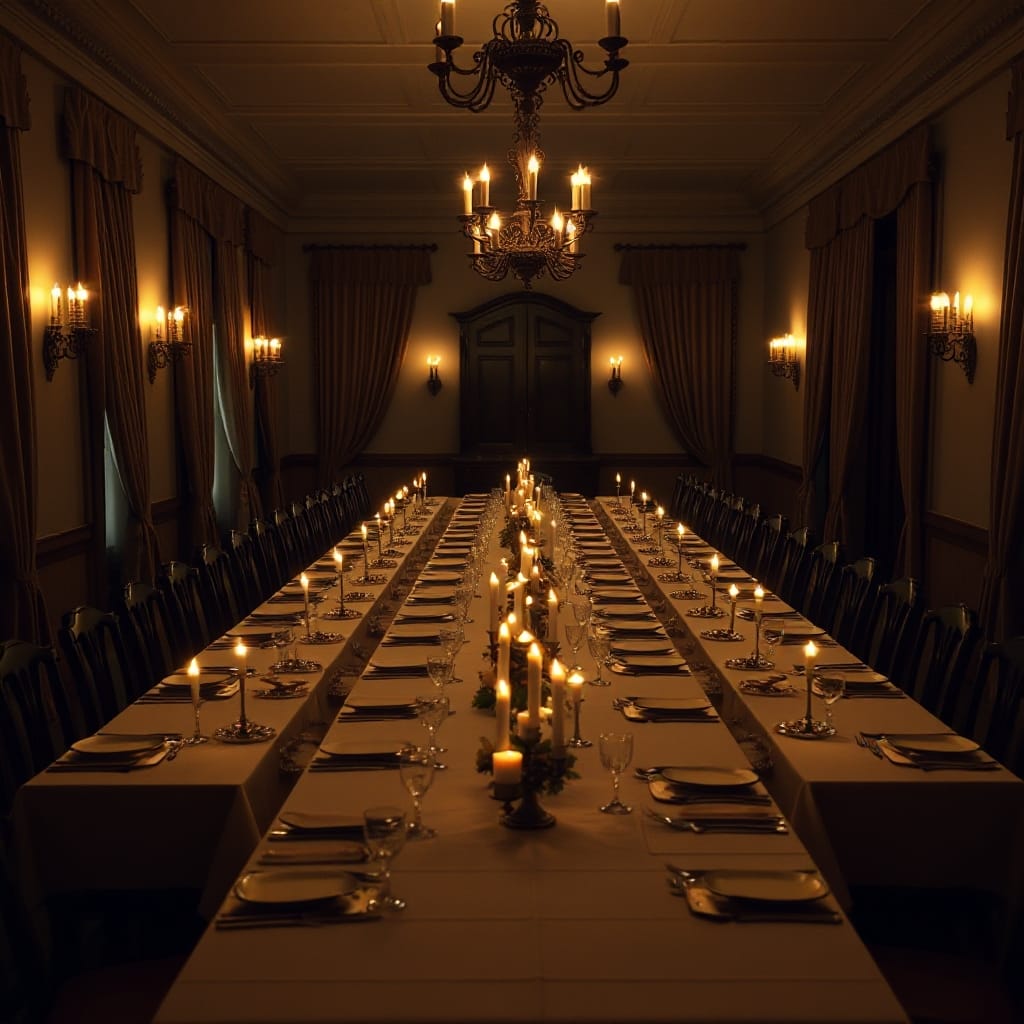
When I read the great Southern writers, what frightens me is not the ghost. It's the polite dinner where nobody mentions the thing. I've been to that dinner. Most of us down here have.
Why it lands differently at home
Reading these books while living in the South is a strange experience. I recognize the porches and the churches and the way people talk. I also recognize the silences. There's a particular kind of story about a family secret that every Southern reader has heard some version of at a funeral.
A friend of mine who grew up in Ohio read one of my favorite novels in this tradition and said she found it over the top, too dramatic. I read the same book and found it almost restrained. We were both right. She was reading a story. I was reading a description of my aunt's church.
Where to start, if you want the real thing
I won't make a list, because lists turn this into another costume. But here's my advice. Pick the books that make you uncomfortable rather than the ones that give you a pleasant chill. Read the short stories, because the tradition does some of its best work in twenty pages. Notice who gets to speak and who doesn't. And pay attention to the funny parts, because these books are often hilarious, and the laughter is part of the horror.
About those ghosts
I don't mind the trolleys. Tourism pays a lot of salaries here, and a good ghost story is a fine thing on a warm night. But when someone asks me, as they sometimes do, whether Savannah is haunted, I say yes. Just not by the people in the tour script. By the ones whose names nobody wrote down.
Then I recommend them a book.