The Norwegian Cabin Without Electricity Where I Learned to Be Bored Again
Every summer our family spends three weeks in a hut with no power, no road and a well. It took me twenty years to understand why I need it.

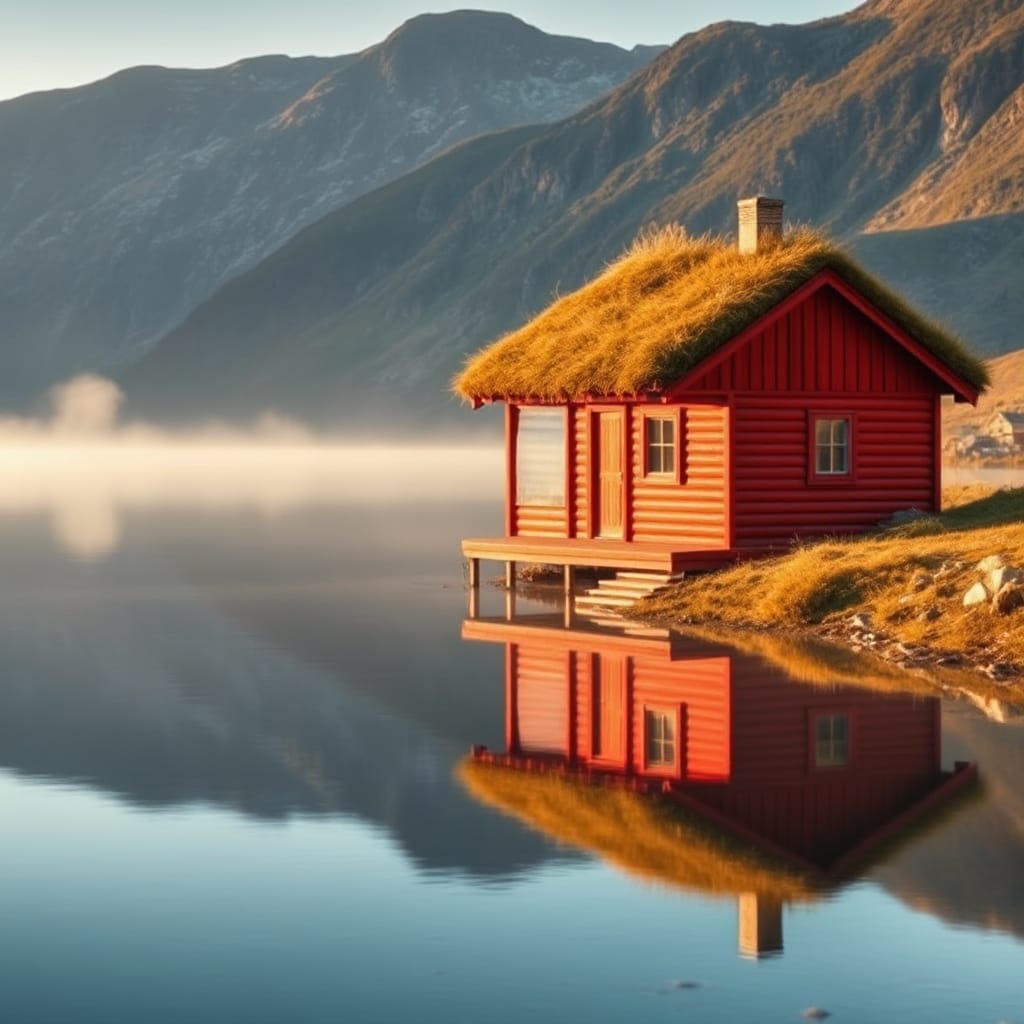
My husband's family has owned a small cabin, a hytte, on a lake in Hardanger for four generations. It has no electricity, no running water and no road. You park at a gravel turnout, carry everything for forty minutes along a forest path, and arrive at a red wooden house with a turf roof, an outdoor toilet and a well with a hand pump.
For the first ten years of our marriage I quietly dreaded it. Three weeks of carrying water, cooking on a wood stove and reading by paraffin lamp. Now it is the part of the year I look forward to most.
What I resisted
When I first visited, at twenty-five, I treated the cabin as a problem to solve. I brought batteries, a small radio, a stack of work. I counted the days. I felt guilty for being bored and annoyed at myself for feeling guilty.
My mother-in-law, who has been going there since she was a child, watched me with patient amusement. On my fourth summer she said, "You are trying to be busy in a place made for not being busy." I did not understand her at the time.
The rhythm of the days
Days at the cabin are shaped by simple tasks:
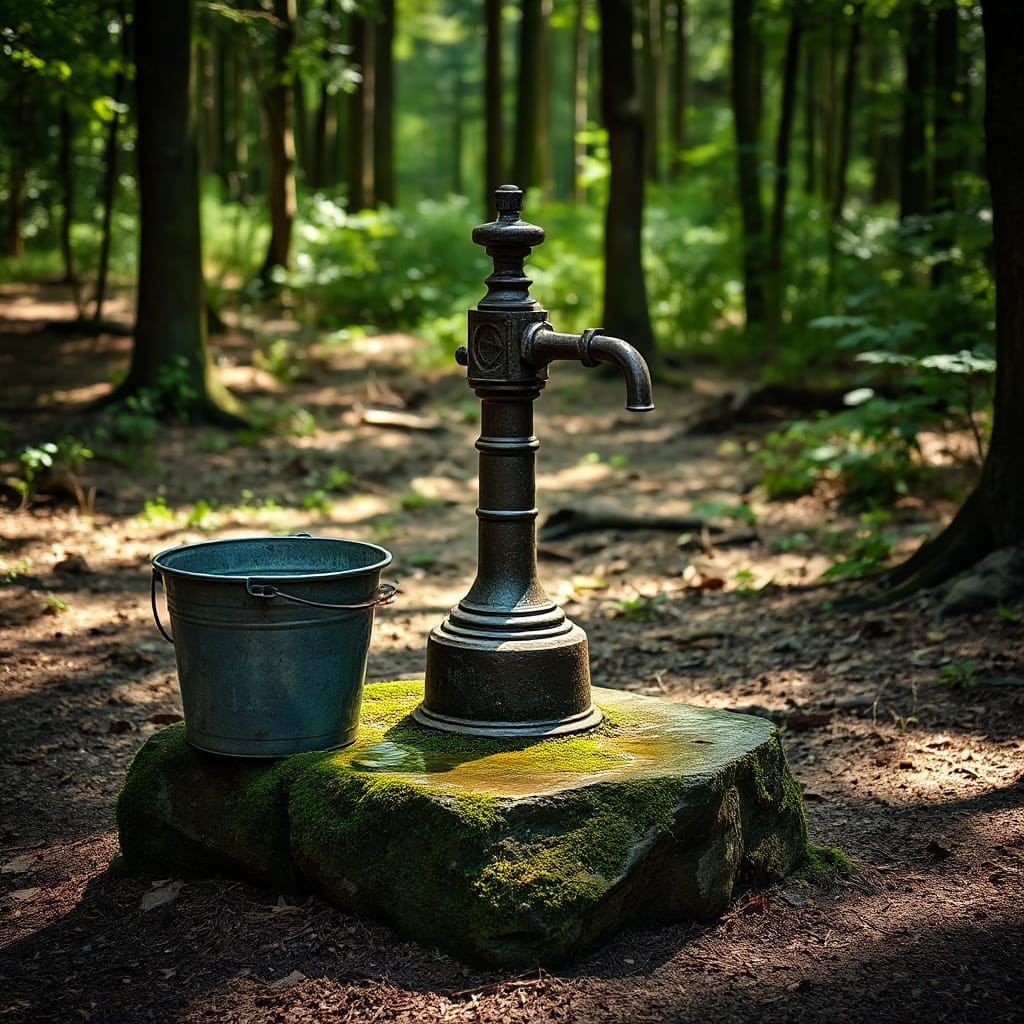
- Pumping water in the morning, about twenty litres, and carrying it up to the kitchen in two buckets.
- Chopping kindling for the stove.
- Rowing out to check the fishing net, which in a good week gives us trout for dinner three times.
- Washing dishes in a basin on the porch, looking at the lake.
There is always something to do and never any hurry to do it. When it rains, which is often, we read, play cards or sleep in the afternoon.
Learning boredom
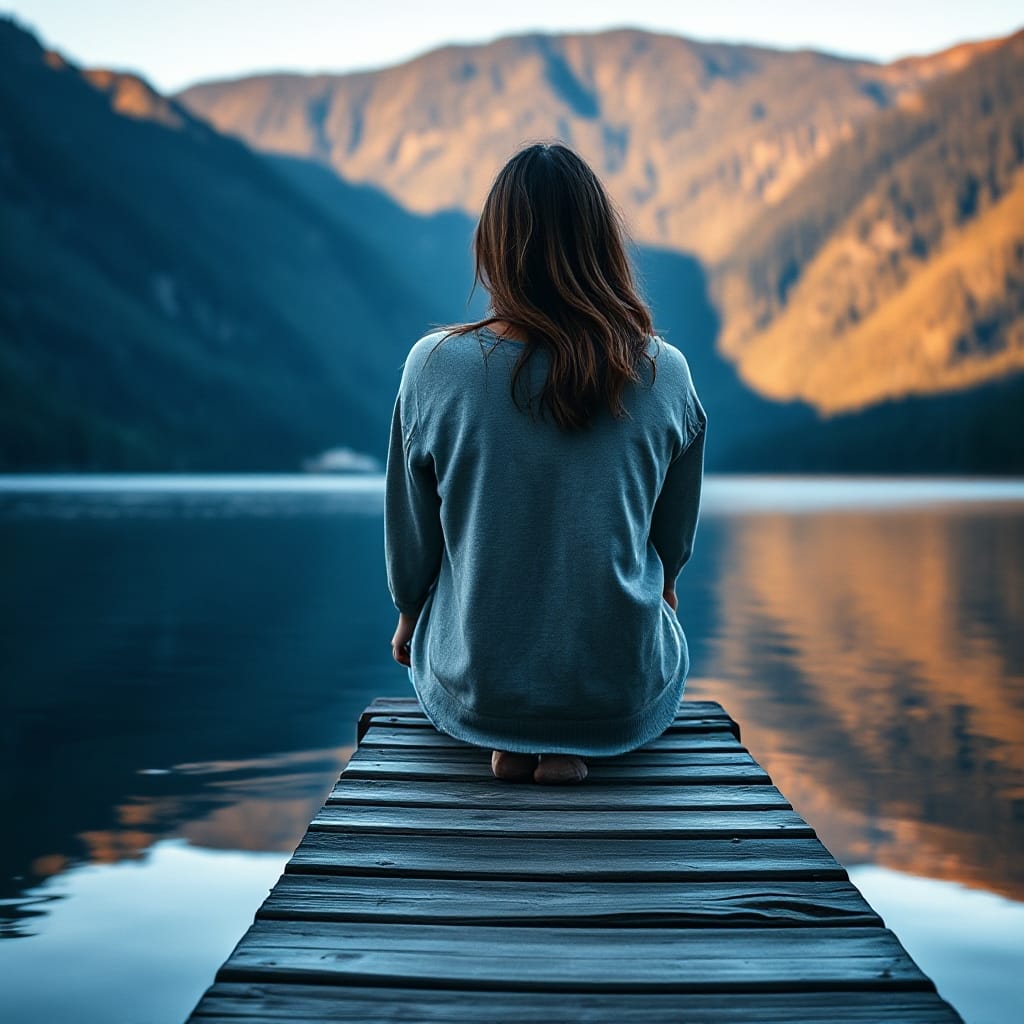
Somewhere around my fortieth birthday, I stopped resisting. I remember an afternoon sitting on the dock with nothing in my hands, watching the light change on the far side of the lake for what must have been an hour. I was not meditating. I was just bored, in a calm, wide way that I had not felt since childhood.
That boredom, I have come to believe, is where many of my best ideas come from. Lesson plans I have used for years were sketched in pencil on that dock. Decisions about my mother's care were made there. My mind seems to need empty space before it can produce anything worth keeping.
Coming back
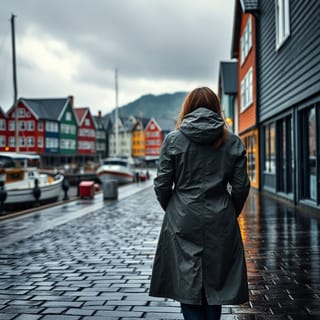
The return is always a shock. The first evening home in Bergen, everything is loud: the fridge, the traffic, the phone. I usually feel irritable for two or three days.
But I also carry something back. For a few weeks afterward I am more patient. I leave gaps in my day. I let myself sit at the kitchen table without a purpose.
Why it matters more now
Our children are grown, and they bring their own children now. My grandson, who is four, spent most of last summer throwing stones into the lake and asking why there was no television. By the second week he had stopped asking. He was too busy watching ants carry a dead beetle across the porch.
I watched him and thought: there it is. The thing I nearly forgot how to do.