I Walked 10,000 Steps in Bergen Rain Every Day for a Year
In a city where it rains more than two hundred days a year, my step goal became an argument with the weather that I mostly won.

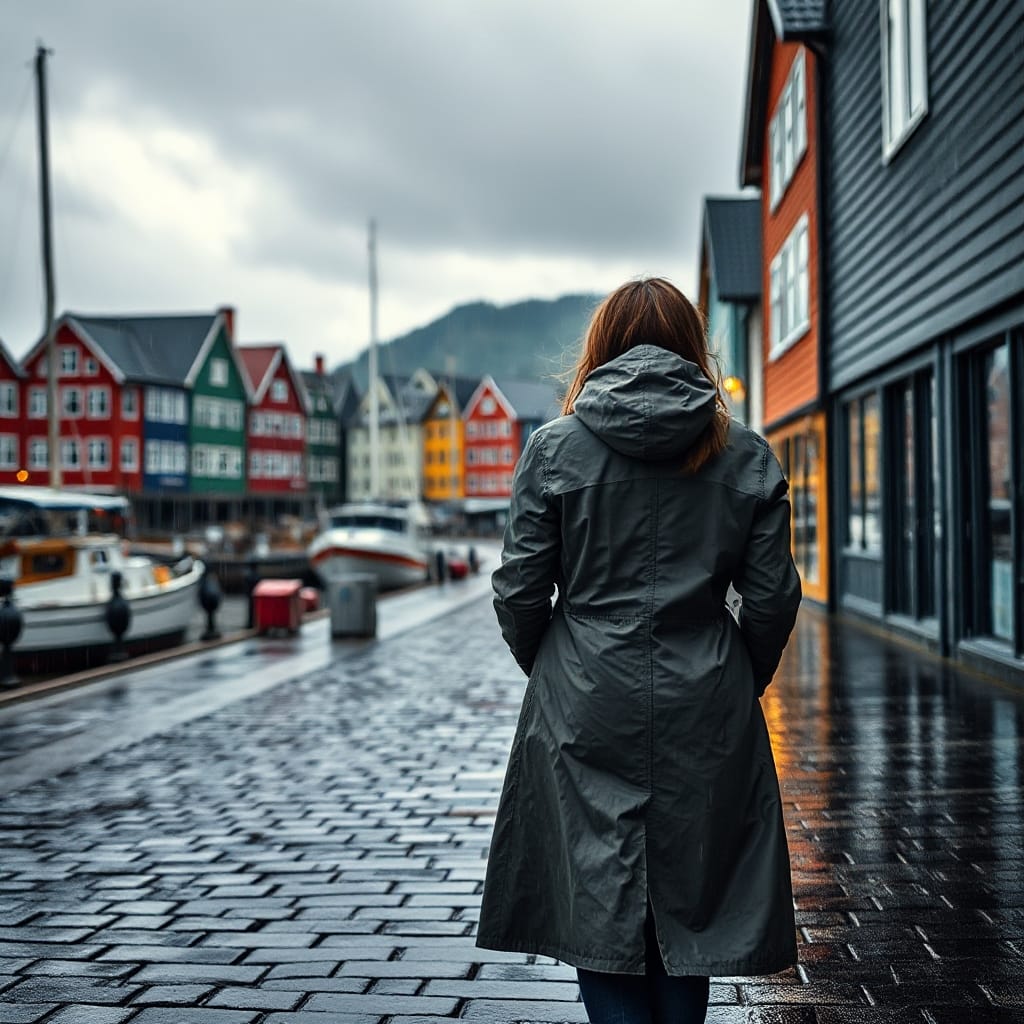
Bergen is famous for rain. Locals joke that children here are born holding umbrellas. In a typical year it rains on more than two hundred days, and the winter light is gone by half past three in the afternoon. So when I decided, the week I turned fifty-one, to walk 10,000 steps every day for a year, my colleagues at the school gave me a look that was half admiration and half pity.
I made it 361 days out of 365. This is not a story about fitness. It is about what happens when you stop letting the weather decide what kind of day you will have.
Why I started
I teach Norwegian and history at a secondary school, which means many hours standing in a classroom and then many more sitting at a kitchen table marking essays. At my annual check-up my doctor mentioned, without much drama, that I was moving less than I used to. My sleep was poor, and I felt stiff every morning in a way I had started to accept as age.
I did not want a gym. I wanted something I could do in my own city without equipment or a schedule.
The gear that made it possible
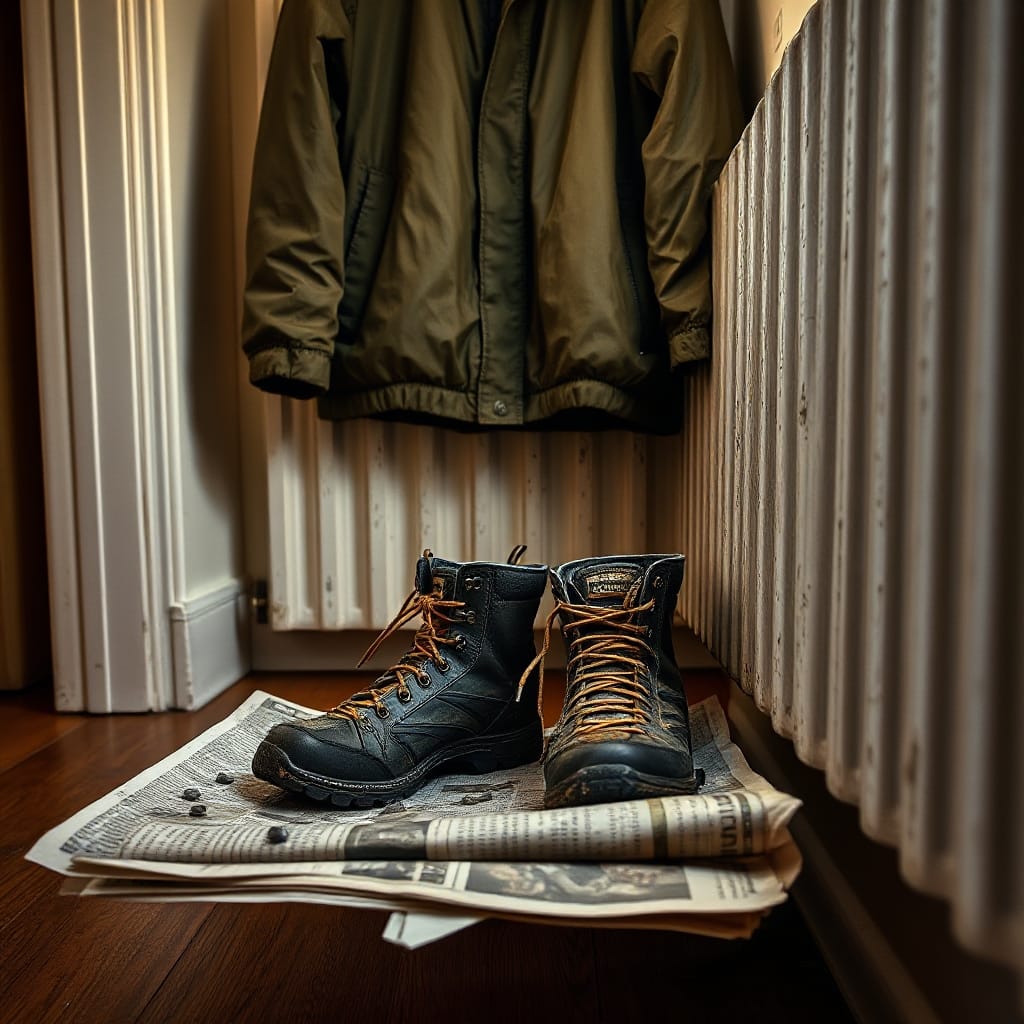
The first lesson was that there is no bad weather, only bad clothing. Norwegians say this so often it has become a cliché, but it is true. I bought proper rain trousers, a long waterproof jacket with a hood that actually stays up, and two pairs of waterproof walking shoes so one pair could dry while I used the other.
That cost about 3,800 kroner. It was the best money I spent all year.
What a day looked like
Ten thousand steps is about seven and a half kilometres for me, roughly ninety minutes of walking. I split it up:
- Twenty-five minutes in the morning, walking the long way to school past the fish market.
- Fifteen minutes at lunch around the school grounds, often in a downpour with a few curious students watching.
- Fifty minutes in the evening, usually up the hill toward Fløyen or along the harbour.
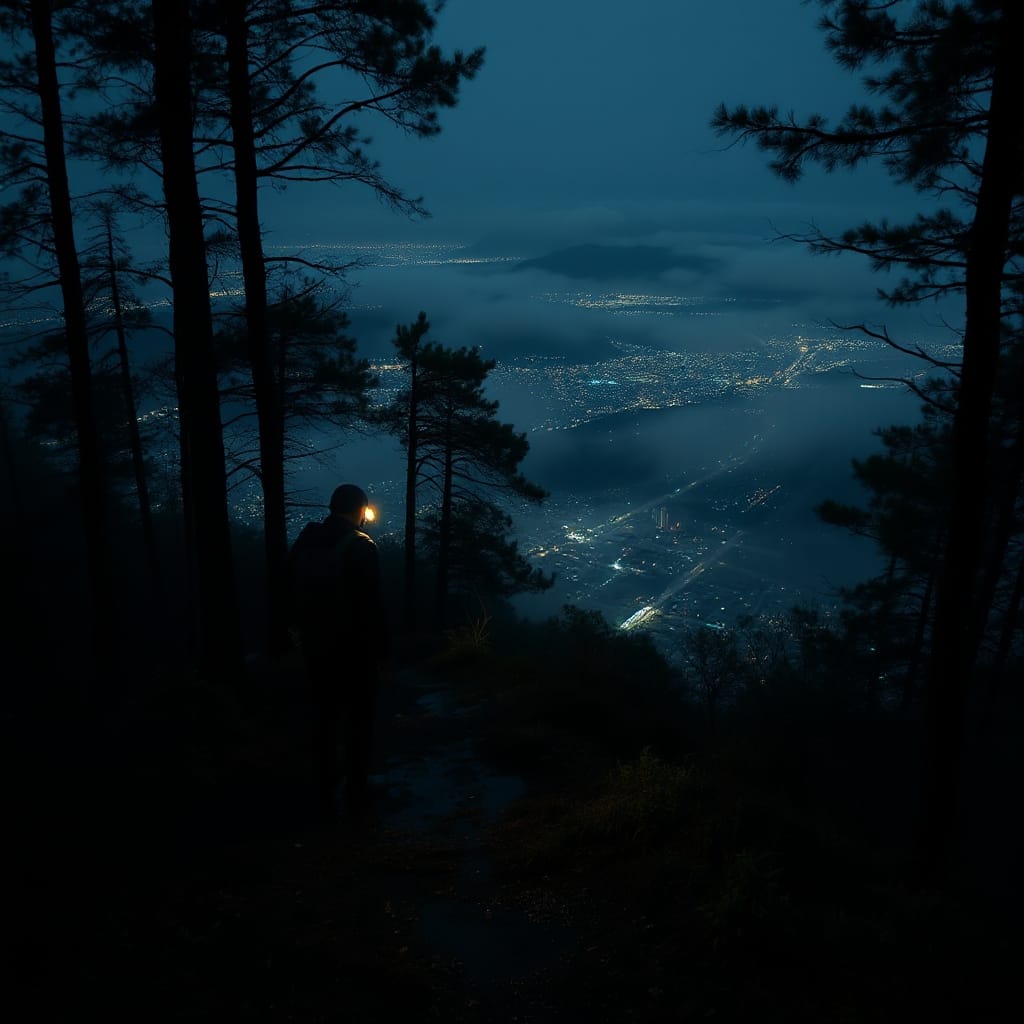
In December, the evening walk was always in darkness. I wore a headlamp and a reflective vest, and found it strangely peaceful. The city is quiet then, the lights reflecting off wet cobblestones.
What I noticed after three months
I want to be careful here because I am a teacher, not a doctor, and I can only describe what I felt. My sleep improved noticeably by the second month. I fell asleep faster and woke less often. The morning stiffness eased. I lost about four kilos without changing how I ate, though I suspect walking reduced my evening snacking because I was simply not in the kitchen.
The bigger change was in my mood during the dark months. Previous winters I had felt a kind of grey heaviness from November to February. This winter it was lighter. Perhaps the movement, perhaps the time outdoors, perhaps just having a small daily victory.
The four days I missed
I missed two days with a fever, one day for a funeral in Trondheim where I spent most of the day in a car, and one day when I simply did not want to. I let myself have that one. A streak that cannot survive a single bad day is not a habit; it is a hostage situation.
A year later
I still walk most days, though I no longer count. The rain does not bother me the way it used to. When I see it on the window in the morning, I do not think, what a terrible day. I think, which jacket.