A Physio's Guide to Desk Neck (and Five Moves That Help)
Stiff, aching necks are among the most common complaints I see. Small changes to your setup and routine often help a lot.

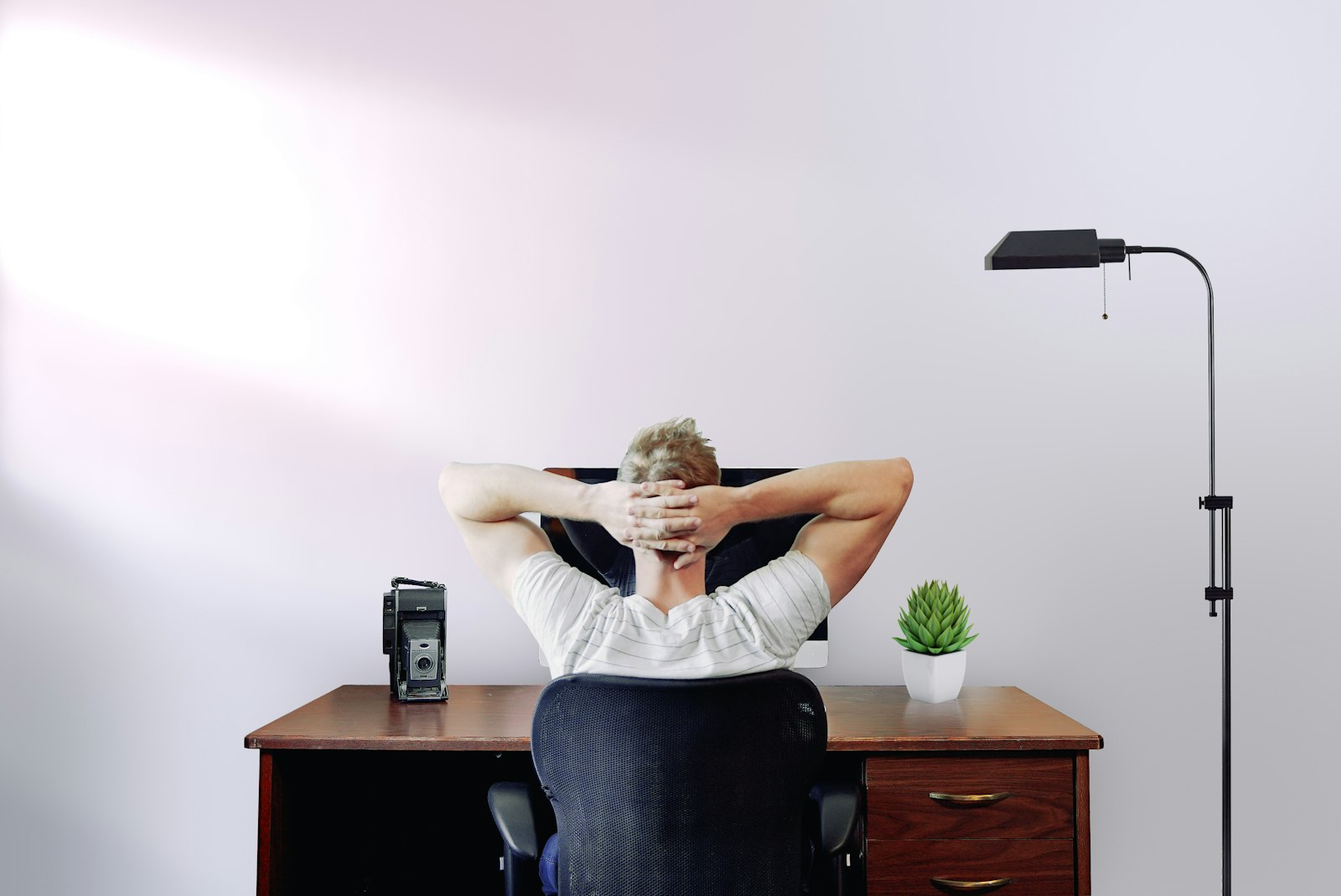
If you work at a computer, you have probably felt it. A dull ache at the base of your skull by mid-afternoon, tight shoulders creeping up towards your ears, and a stiff neck when you try to check your blind spot while driving.
I call it desk neck, and I see it in my clinic every single day. The good news is that for most people it is not serious, and it usually responds well to a few simple changes. As always, if you have numbness, weakness, severe pain or symptoms after an injury, see a professional in person rather than relying on an article.
Why it happens
It is not that one posture is evil. Our bodies are built to move, and problems usually come from holding any position for too long. When you lean towards a screen for hours, the muscles at the back of your neck and upper shoulders work constantly to hold your head up. Your head weighs roughly as much as a bowling ball. Hold that slightly forward all day and those muscles get tired and sore.
Fix the setup first
Before stretching, look at your workspace:
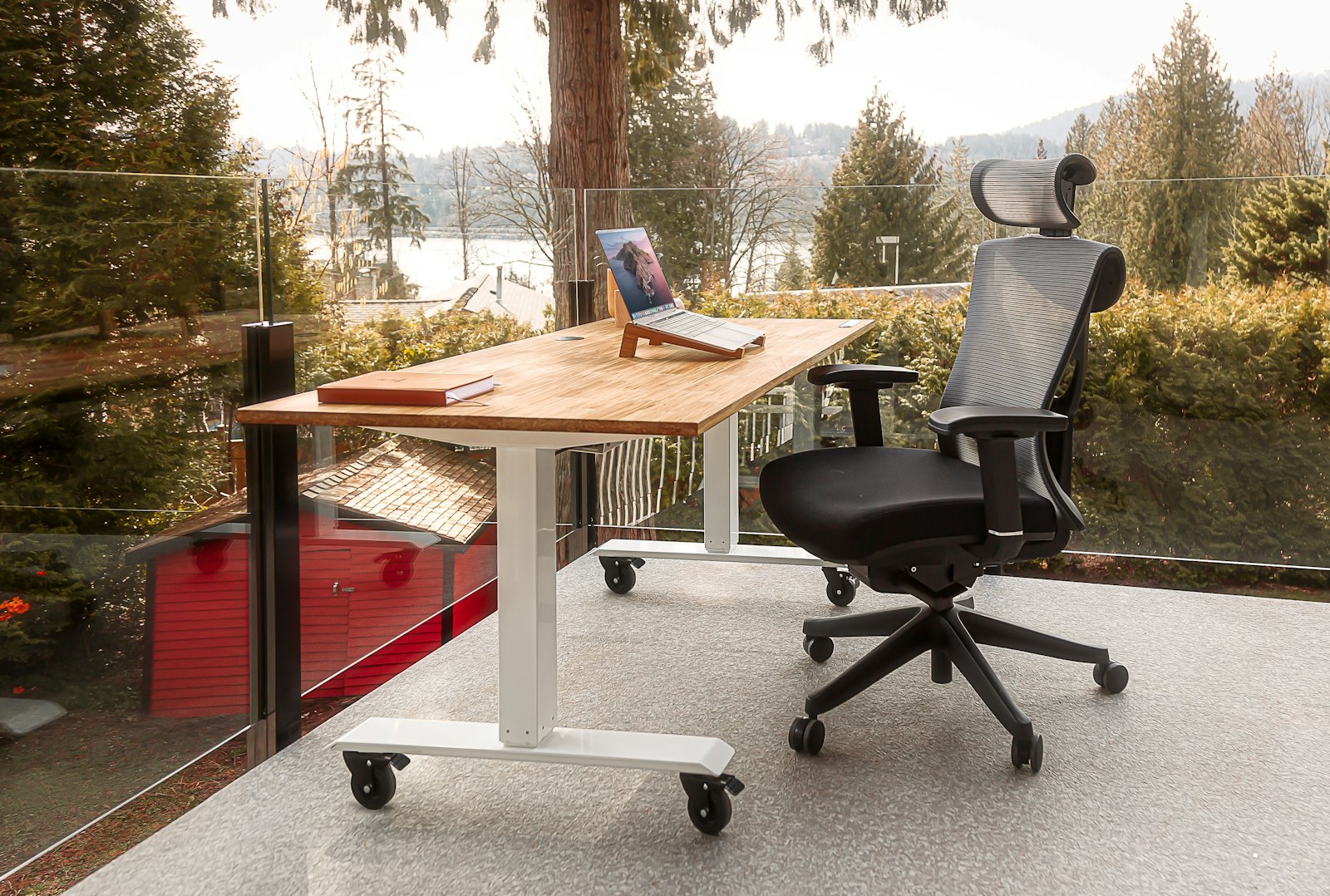
- Screen height. The top of the screen should be roughly at eye level. If you use a laptop, raise it on a stand or a stack of books and use a separate keyboard and mouse.
- Screen distance. About an arm's length away. Increase the font size instead of leaning in.
- Chair and desk. Feet flat on the floor, elbows roughly at desk height, shoulders relaxed.
- Phone use. Bring the phone up towards your eyes instead of dropping your head down to it.
Five moves that help
Do these slowly and gently. They should feel like relief, not strain. Stop any that cause sharp pain.
1. Chin tucks
Sit tall. Gently glide your chin straight back, as if making a double chin, without tipping your head down. Hold for three seconds. Repeat ten times.
2. Shoulder rolls
Roll your shoulders up, back and down in a slow circle. Ten times. This is excellent between meetings.
3. Upper trap stretch
Sit on your right hand. Gently tilt your left ear towards your left shoulder until you feel a stretch on the right side of your neck. Hold for 20 to 30 seconds. Switch sides.
4. Doorway chest opener
Place your forearms on either side of a doorframe and step gently forward until you feel a stretch across your chest. Hold for 20 to 30 seconds. Tight chest muscles often pull shoulders forward.
5. Shoulder blade squeeze
Squeeze your shoulder blades together and slightly down, as if trying to hold a pencil between them. Hold for five seconds. Repeat ten times.
Build it into your day
The moves only help if you do them. I suggest attaching them to something you already do. Chin tucks every time you open your email. Shoulder rolls at the end of every video call. A quick stretch whenever you get water.
When to get help
If your neck pain lasts more than a few weeks, keeps getting worse, wakes you at night or comes with tingling in the arms, please see a physiotherapist or doctor. For ordinary desk neck, though, a better screen height and a few minutes of movement each day can make a real difference.
Cover: Photo by Jason Strull on Unsplash.