I Picked Up a Kettlebell at 52 and Felt Strong for the First Time in Decades
Walking was easy. Lifting something heavy felt like a door I had assumed was locked for women my age.

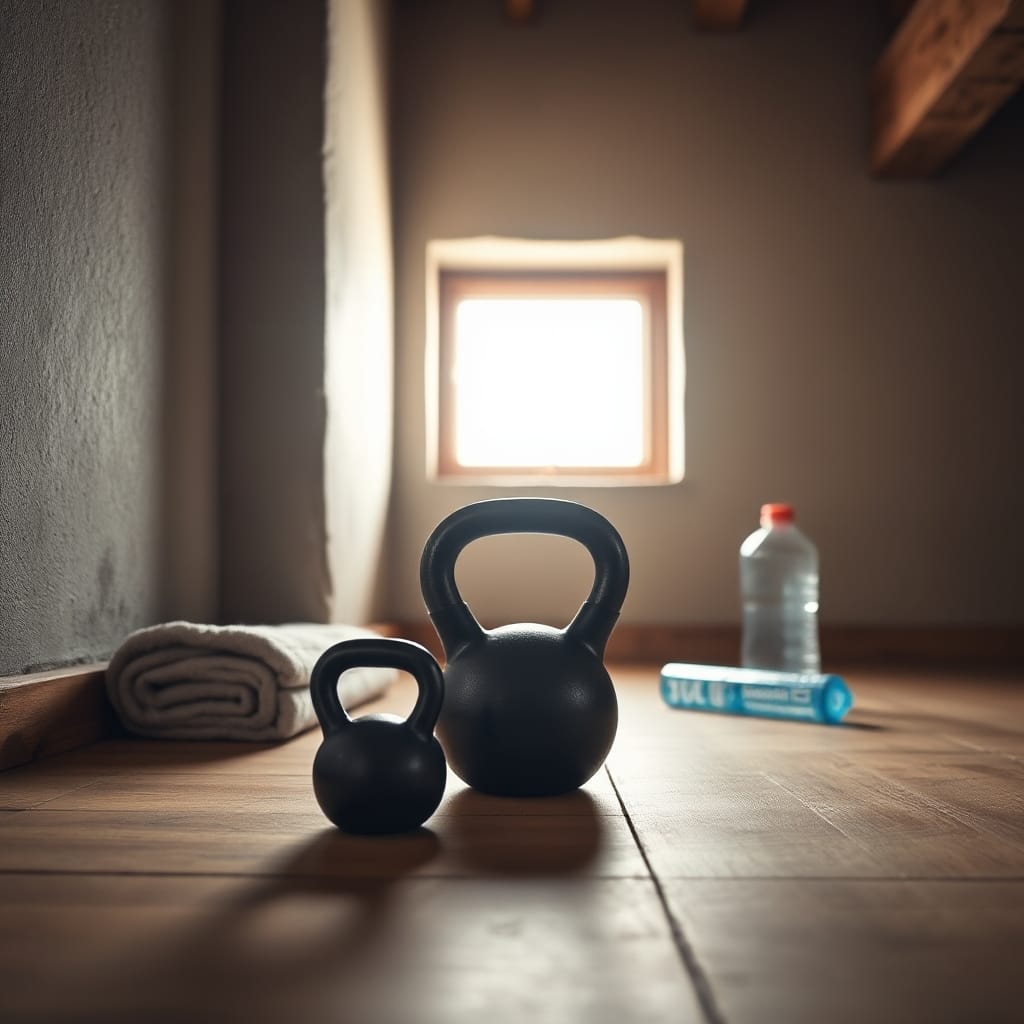
For most of my life, exercise meant walking, skiing in winter and the occasional reluctant yoga class. Strength training belonged to young men in tank tops. When a friend from the school, a physical education teacher named Kari, suggested I try lifting weights, I laughed and said I was too old to start.
She handed me an eight-kilo kettlebell in the staffroom and told me to pick it up properly. I did, badly. She showed me how to hinge at the hips. Then she said, "Now you've started."
Why I took her seriously
At fifty-two I had noticed small things. Carrying grocery bags up the hill to our house left me breathless and my lower back tender. Opening jars had become a two-step process involving a rubber grip. When my grandson wanted to be lifted, I hesitated.
None of this felt dramatic, but together it felt like a slow narrowing. I did not want my world to keep shrinking.
The routine I built
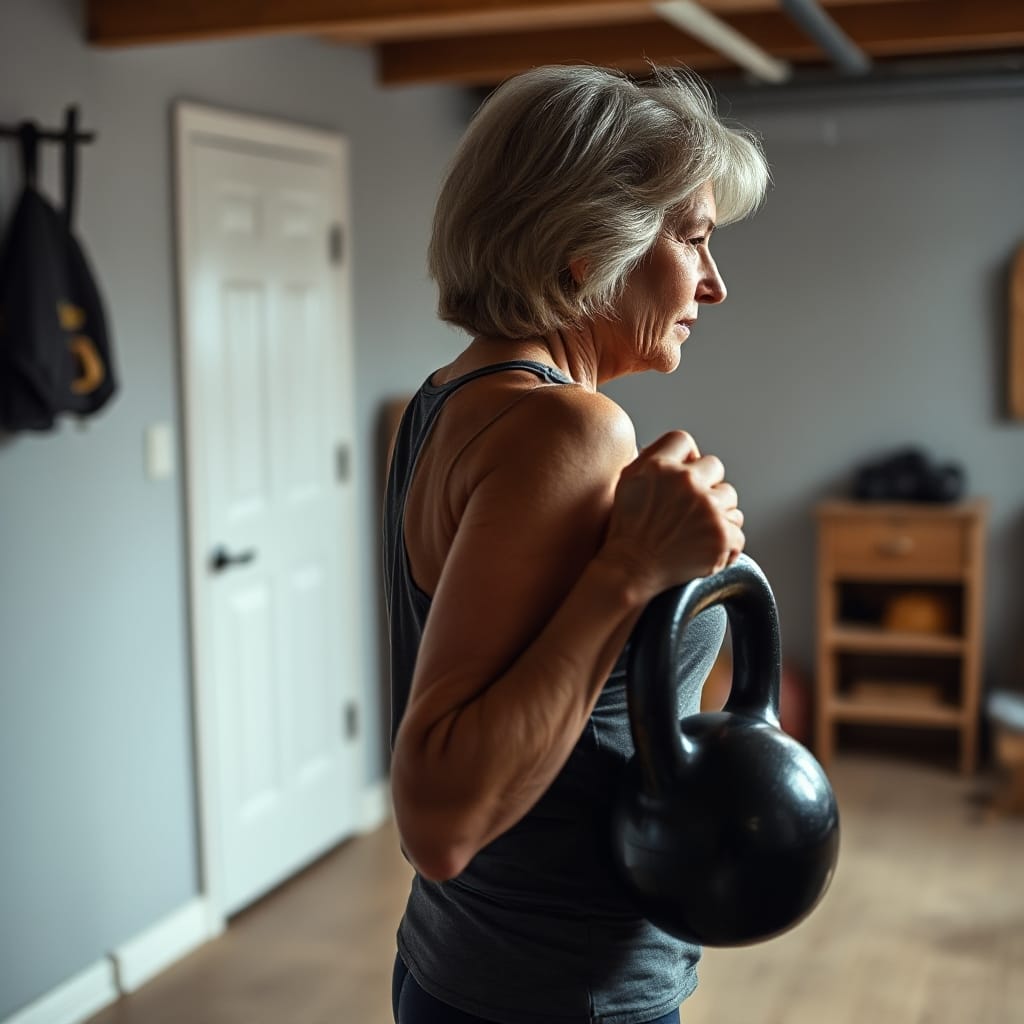
Kari wrote me a simple programme on a single sheet of paper, three sessions a week, about thirty minutes each, at home in our basement:
- Kettlebell deadlifts, three sets of eight.
- Goblet squats, holding the bell at my chest, three sets of eight.
- One-arm rows, leaning on a chair, three sets of ten each side.
- Carrying the kettlebell from one end of the basement to the other and back, five times.
I started with eight kilos. By the third month I moved to twelve. By the end of the first year I was deadlifting a twenty-kilo bell, which my grandson now insists on calling "Grandma's cannonball".

The awkward beginning
The first weeks were uncomfortable in a way that was not about muscles. I felt self-conscious even alone in my own basement. I kept thinking someone would come down and laugh. My form was wobbly and I worried constantly about my back. Kari checked my technique every Friday in the gym hall after school, which helped.
I was also sore. Properly sore, in places I had forgotten I had muscles. Walking down stairs the day after squats became comic.
What changed
I want to describe this carefully, because I am not a professional. The grocery bags became easy. The jars opened. My back, which I had feared would get worse, actually felt more stable, though I cannot say whether that is from the lifting or from paying more attention to how I move.
The biggest change was psychological. I had quietly accepted the idea that my body would become steadily weaker from here on. Lifting something heavy and getting stronger week by week broke that assumption. Getting older, it turns out, is not the same as getting weaker, at least not yet and not in a straight line.
What I tell my friends
Several women my age have asked me about it. I tell them I am not an expert and that Kari's guidance mattered more than anything I read. But I also tell them about the moment last winter when I carried two full bags of shopping up the icy hill to our house without stopping, then lifted my grandson onto my hip at the front door. That moment was worth a year of sore legs.