Your Gut Microbiome Is Not a Garden You Can Simply Weed
Trillions of microbes live in your gut. What the research actually says about feeding them, and why quick fixes rarely deliver.


When people find out I am a biologist, one of the most common questions I get is which probiotic they should take. It is a reasonable question, given how much marketing surrounds the gut microbiome. My honest answer usually disappoints: for most healthy people, the evidence does not point to a single product, and the most reliable approach is far less exciting.
What the microbiome is
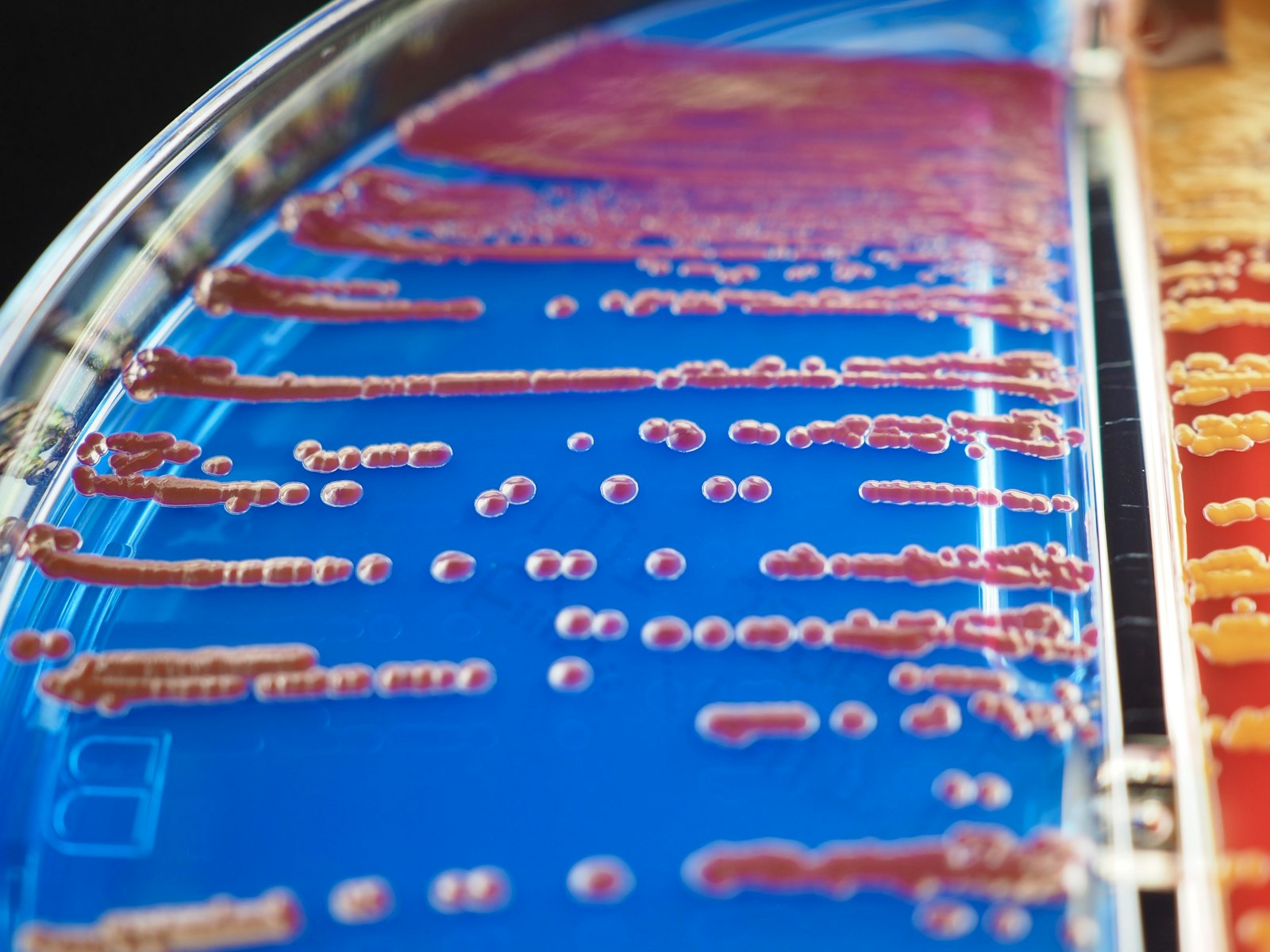
Your large intestine hosts a vast community of bacteria, along with archaea, fungi and viruses. Estimates suggest the number of bacterial cells is roughly comparable to the number of human cells in your body. A typical adult gut contains hundreds of different bacterial species, and the exact mix varies a great deal from person to person.
These microbes help break down dietary fibre that our own enzymes cannot digest. In doing so, many produce short-chain fatty acids such as butyrate, which serve as an energy source for the cells lining the colon and are being studied for their wider effects on health.
Why it is not a simple garden
The garden metaphor is popular: plant good bacteria, pull out the bad. But the gut is more like a rainforest than a vegetable patch.
- It is resilient. Established communities tend to resist newcomers. Many probiotic strains pass through and do not settle permanently once you stop taking them.
- It is personal. People respond differently to the same food or supplement, partly because their starting microbial communities differ.
- Good and bad are context dependent. Some microbes are harmless in one setting and problematic in another.
What the evidence supports
Research is still developing, but some patterns are fairly consistent:
- Eat a variety of plant foods. Diets rich in fibre from vegetables, legumes, whole grains, nuts and fruit are associated with more diverse microbial communities.
- Fermented foods may help. Foods such as yoghurt, kefir and some fermented vegetables have shown promising effects on microbial diversity in some studies.
- Use antibiotics only when needed. They are essential medicines, but they also disrupt gut communities. Most people's microbiomes largely recover over weeks to months, though some species may not return.
- Specific probiotics for specific situations. Certain strains have evidence for particular uses, such as reducing the risk of some kinds of antibiotic-associated diarrhoea. This is a conversation to have with a doctor or pharmacist.
A note on home test kits
Commercial microbiome tests can tell you which microbes were detected in a stool sample. What they cannot reliably do yet is tell you what that means for your individual health or what to change. I would be cautious about tests that come bundled with expensive personalised supplement plans.
The unglamorous conclusion
The best-supported advice for your gut looks a lot like general advice for good health: varied, fibre-rich meals, reasonable sleep, regular movement, and medicines used sensibly. It does not make for exciting packaging. But your microbes, it turns out, are mostly happy with the basics.
Cover: Photo by CDC on Unsplash.