What Injury Recovery Taught Me About Patience
Years of watching patients heal have changed how I think about progress, setbacks and the quiet value of showing up.

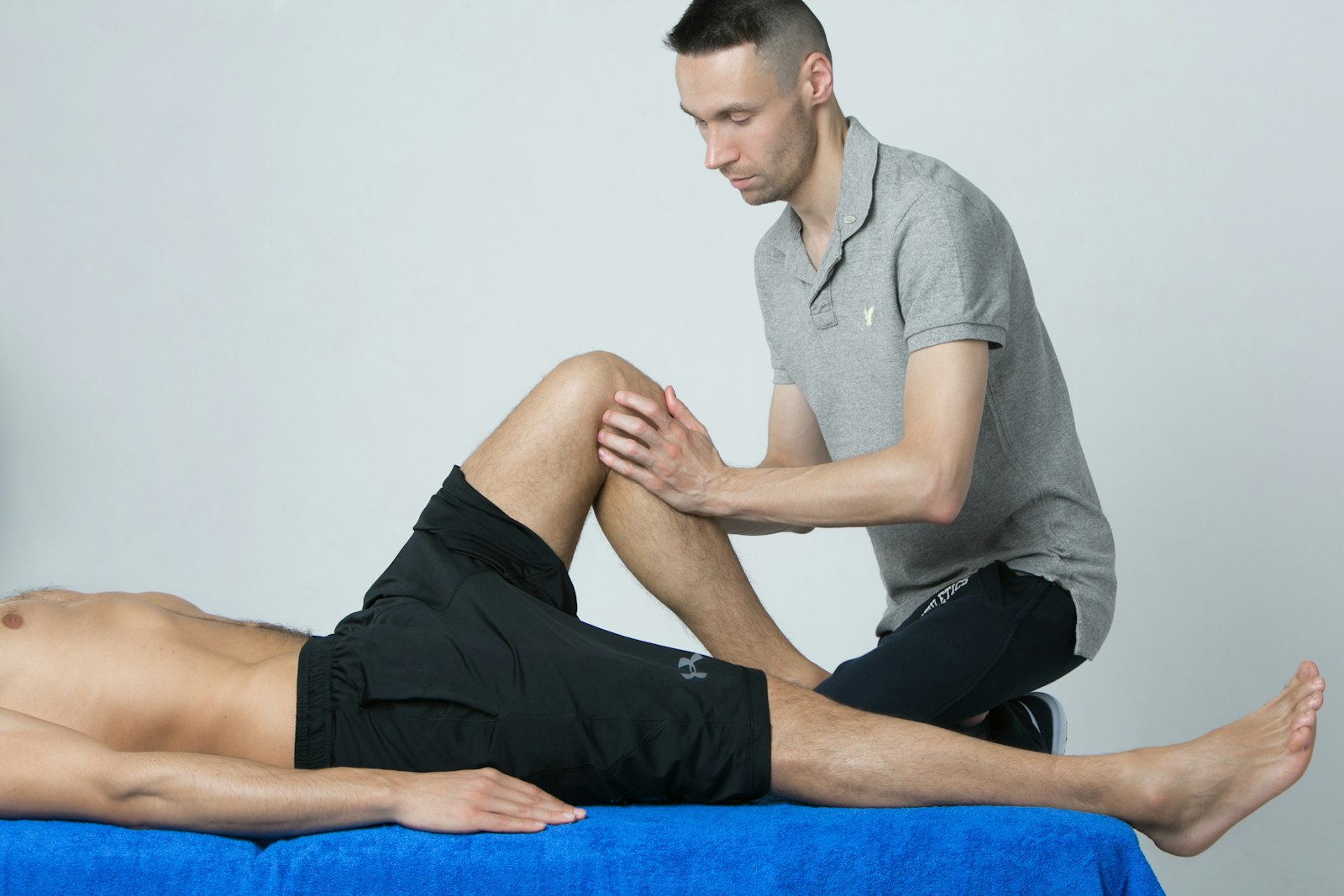
Most of my working days are spent with people who are frustrated. Not with me, usually, but with their own bodies. A ruptured Achilles tendon, a stiff shoulder after surgery, a back that will not settle. They want to know when it will be better, and the honest answer is often: slower than you would like.
After many years of these conversations, I have noticed that injury recovery teaches lessons that apply far beyond physiotherapy.
Progress is not a straight line
Nearly every patient expects recovery to look like a ramp. Each week a little better than the last. In reality it looks more like a staircase drawn by a nervous child. Good weeks, flat weeks, a bad week after a long day of gardening, then a sudden jump forward.
I now draw this for patients on the first visit. When the bad week comes, and it nearly always does, they remember the drawing and do not panic. A setback inside a long upward trend is normal. It is not failure.
I think this is true of almost anything worth doing. Learning a language, building a business, repairing a relationship. Judge the trend over months, not the result of a single day.
Small and boring beats big and rare
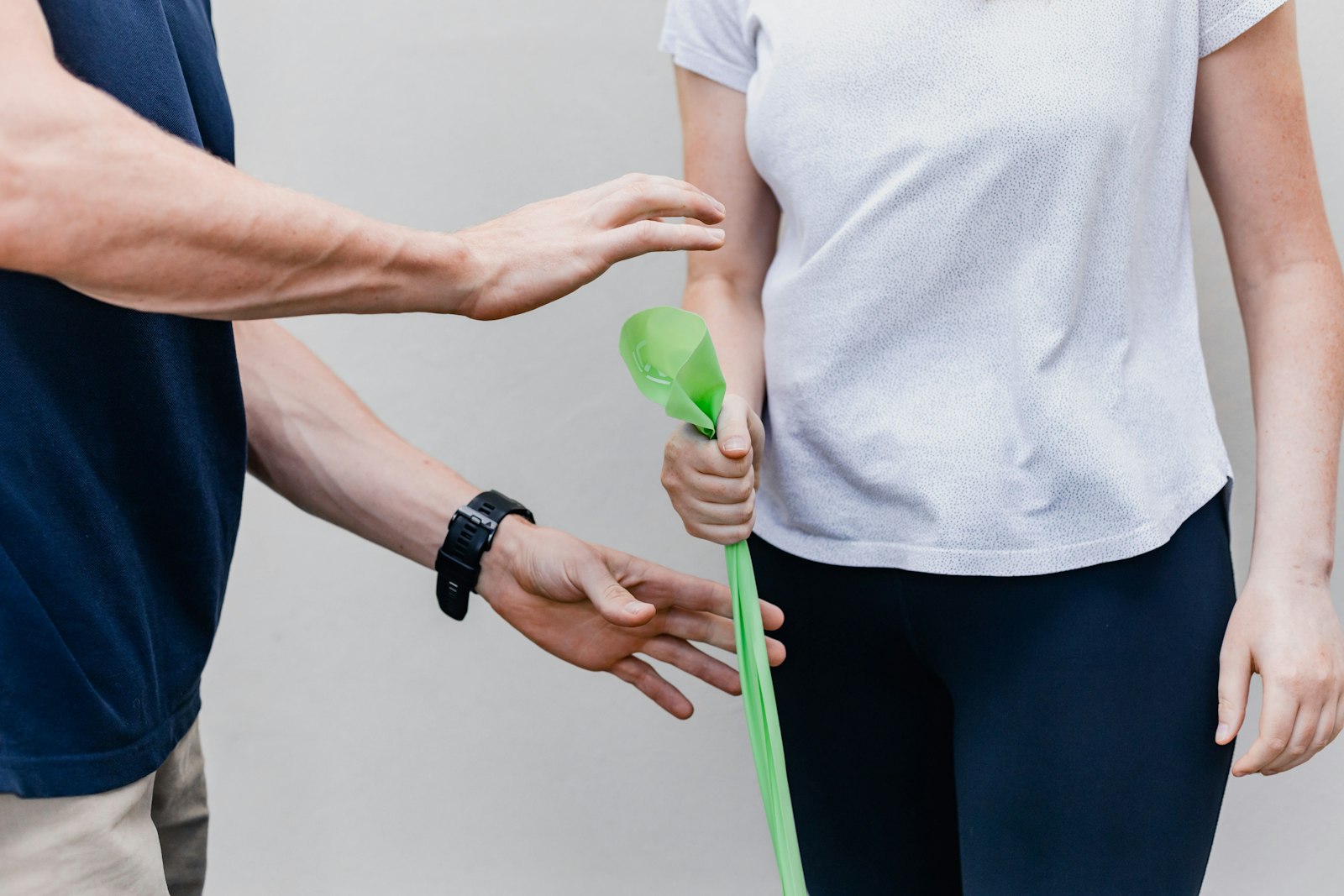
The patients who recover best are rarely the ones who do the most dramatic sessions. They are the ones who do ten minutes of exercises every day, quietly, without fuss.
I once worked with a retired schoolteacher recovering from a hip replacement. She did her exercises at the same time every morning, after breakfast and before the news. She never did extra, and she never skipped. She was back walking her dog around the park several weeks ahead of what she had expected.
Compare that to a younger patient who would do an hour of exercises on Monday, feel sore, and do nothing until Friday. Same injury type, much slower progress.

Rest is part of the work
Many active people struggle with this. They see rest as wasted time. But tissues adapt during recovery, not only during effort. Pushing through every signal often turns a two-month problem into a six-month one.
In life outside the clinic, I see the same pattern in friends who never take a real holiday and then wonder why their energy is gone.
Compare yourself to last month, not to others
Patients love to compare. My neighbour had the same surgery and was running after three months. Bodies differ. Ages differ. Injuries that sound identical are not.
The only useful comparison is with yourself a month ago. Can you climb the stairs more easily? Sleep without waking from pain? Lift the kettle without wincing? Those are real wins.
Patience is active
People sometimes think patience means waiting passively. In my work, patience is very active. It means doing the small exercises, sleeping well, eating properly, attending appointments and trusting the process on the days when nothing seems to change.
I cannot promise any patient a timeline. But I can promise that steady, unglamorous effort, repeated for long enough, is the most reliable path I know, in healing and in most other parts of life.
Cover: Photo by yury kirillov on Unsplash.