What Moving Back to My Hometown at 33 Actually Felt Like
I left a small Ohio town at eighteen swearing I would never return. Fifteen years later I bought a house four streets from my parents.

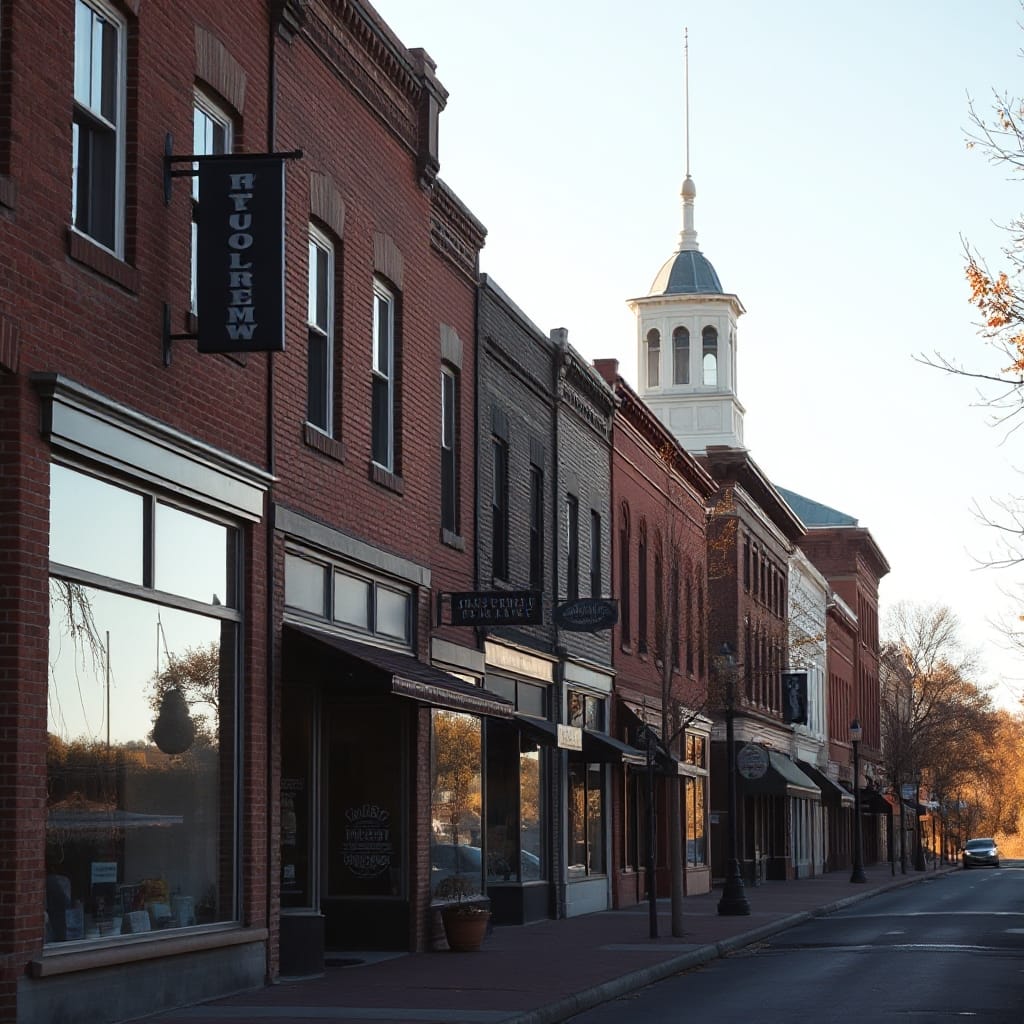
At eighteen I drove out of Mount Vernon, Ohio, with everything I owned in a Honda Civic and a firm belief that my real life was somewhere else. I went to Columbus, then Chicago, then Denver. I told people where I was from with a small apologetic laugh.
At thirty-three, with a husband, a two-year-old and a job offer at the local high school, I drove back. This is what it was actually like, not the version I post when people ask.
The practical math
The reasons were mostly boring. Our rent in Denver was 2,400 dollars a month for a two-bedroom apartment. Here we bought a three-bedroom house with a yard for a mortgage of about 1,150. My parents were getting older. Childcare in Denver was costing us almost as much as rent, and my mother offered to watch our daughter two days a week.
On paper it was obvious. Emotionally, it felt like admitting defeat.

The first six months were strange
Everyone knew me, but they knew the eighteen-year-old version. My old math teacher introduced me to a colleague as "the girl who set the chemistry lab on fire," which was an exaggeration, but only slightly. At the grocery store I ran into my high school boyfriend's mother, who wanted to know if I was "still doing the counseling thing."
I also missed things I had not expected to miss: a decent Thai restaurant, a bookstore open past 6 p.m., the anonymity of walking down a street where nobody knew my business. For a few months I drove forty minutes to Columbus most Saturdays just to feel like nobody was watching.
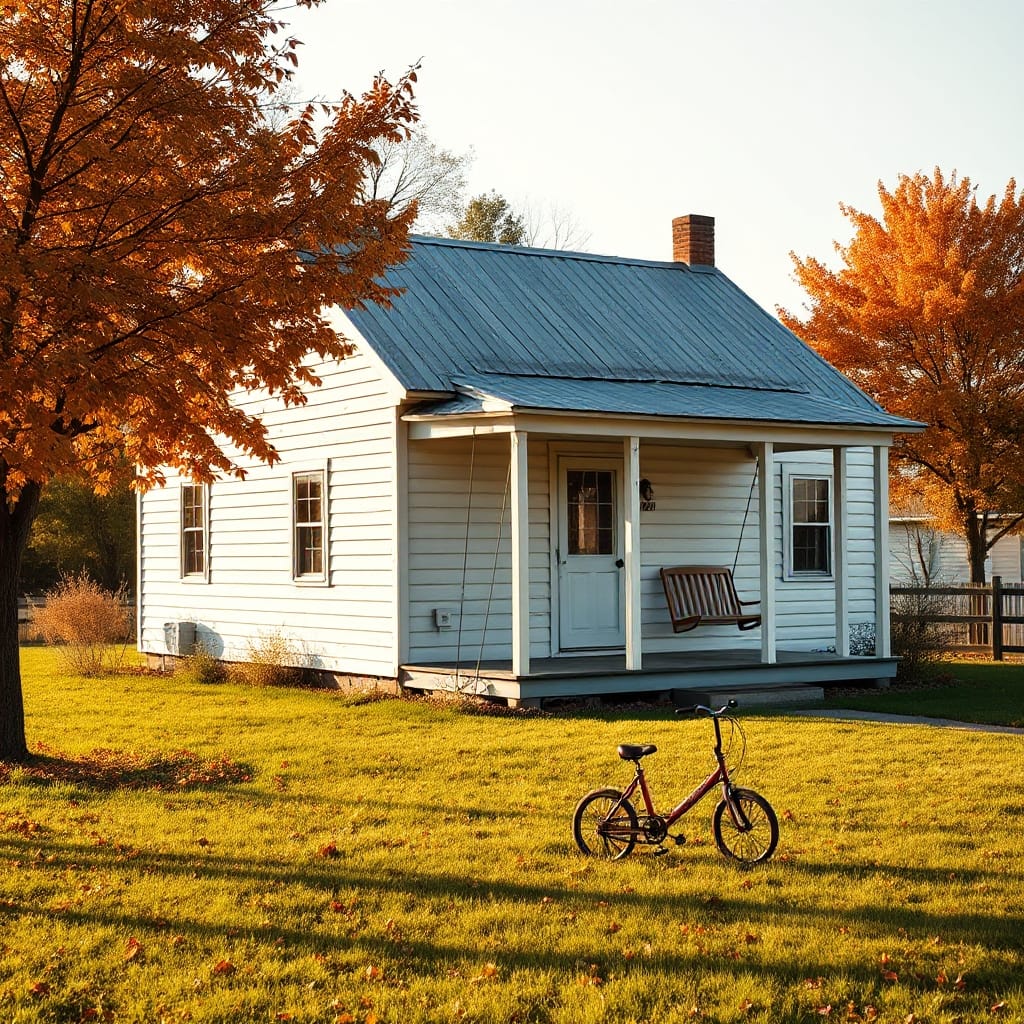
Then something shifted
Around month eight, I stopped comparing. I think it happened at a Friday night football game, sitting on cold bleachers with my daughter asleep on my lap, surrounded by people I had known since I was five. Someone passed me a blanket without being asked. Nobody here was impressed by me, and for the first time that felt like freedom instead of failure.
I started to notice what the town had that cities had not given me:
- My daughter knows her grandparents as daily people, not holiday visitors.
- Our neighbors brought food for a week when my husband had surgery.
- I can walk to work in eleven minutes.
What I still struggle with
It is not a fairy tale. The town has fewer opportunities for my husband, who works remotely and sometimes feels isolated. Politics can be tense at family dinners. Some old friendships turned out to be nostalgia rather than connection, and I had to let them go.
There is also the strange grief of seeing your childhood places changed. The diner where I worked is now a vape shop. My elementary school was torn down. Coming home means discovering that home moved on without you.
Where I have landed
Three years in, I no longer apologize when I say where I live. I think I needed to leave to be able to come back as an adult instead of as somebody's daughter. The town did not change much. I did.
If you are considering moving back somewhere you swore off, I would only say: give it a full year before you judge it. The first months will be about who you were. It takes time for a place to meet who you are now.