What the Ice Says in March: A Poem About Waiting
Late winter in Tampere, when the lake ice starts to sing and groan, and nobody is quite sure yet whether it is safe.

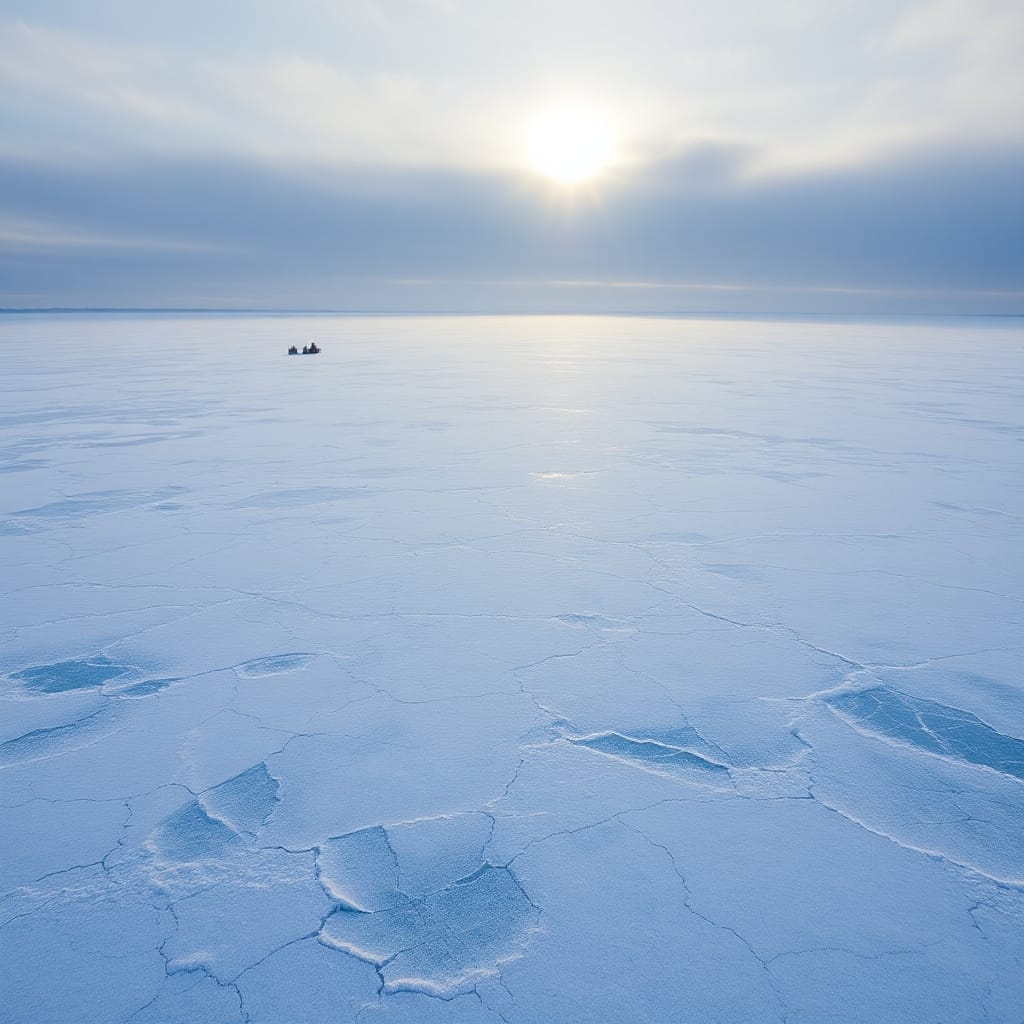
March is the longest month in Finland. The light has come back, the sun is suddenly bright on the snow, and you start to believe winter is over. It is not. There are still weeks of frozen lakes and grey slush ahead, and everyone is tired.
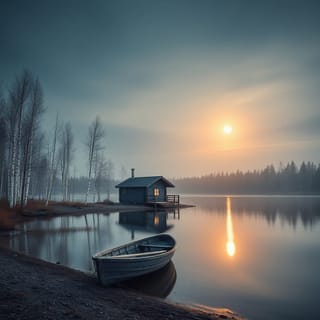
In Tampere I live near Lake Näsijärvi. On still days in March, when the temperature swings between frost at night and melt in the afternoon, the ice makes sounds. Deep booms, long whistles, a kind of electronic twang like a plucked steel wire. People who have never heard it think it is science fiction. I have heard it my whole life and it still stops me on the path.
Waiting and listening
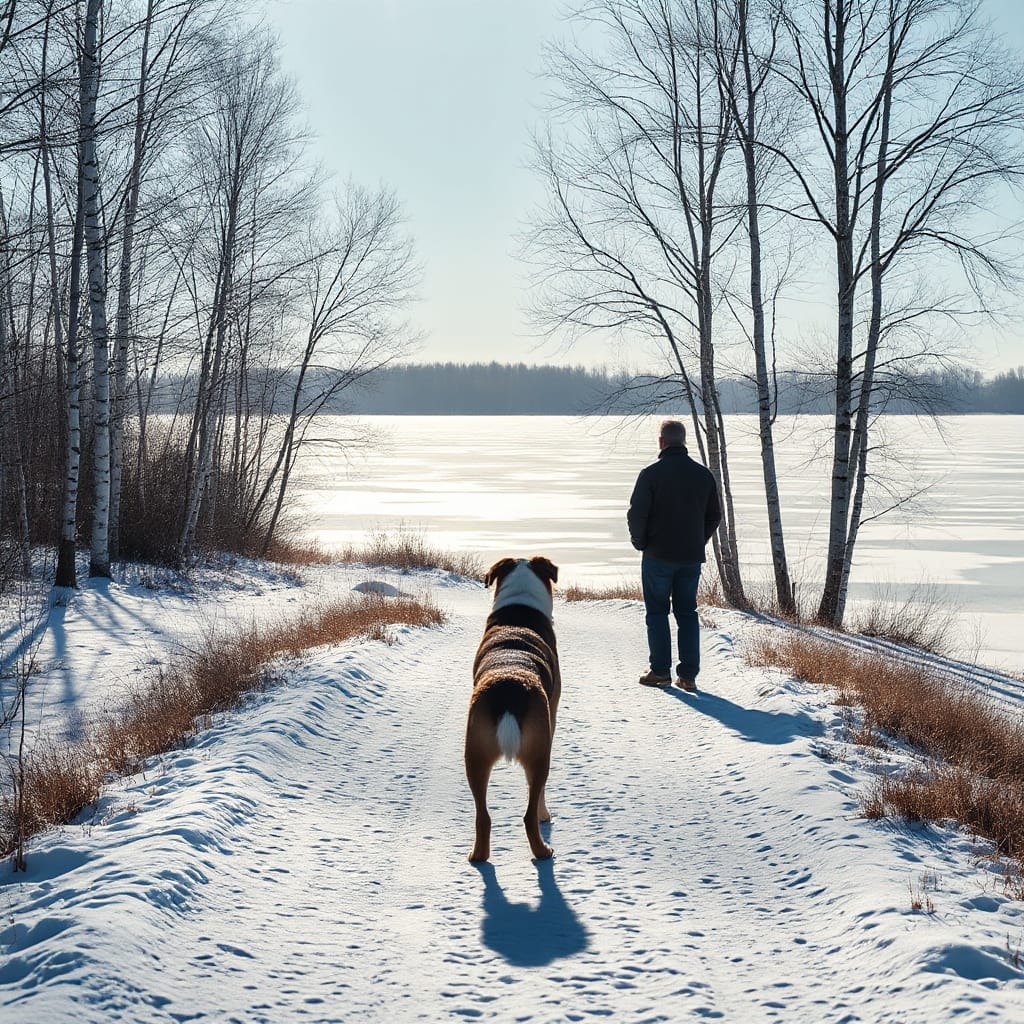
I started this poem on a Sunday walk along the shore, when I stopped to listen to the ice and realised I had been standing there for ten minutes. A man with a dog stopped beside me and listened too. We did not speak. When the dog got bored, they left.
The poem is about that kind of waiting: not quite patience, more like attention.
The poem
In March the lake begins to talk in its sleep.
Long notes, like someone tuning a wire
stretched from Lielahti to the far islands,
and under that a cough, a door closing in a cellar.
The ice fishermen are still out there, small and black,
each one sitting on a box above his hole,
each one listening, I imagine, to the same thing:
the lake deciding.
We say the ice is thick. We say it holds.
We said it in December and meant it.
Now we say it slower, and look at our boots.
I have waited for so many things this way.
For a letter. For a fever to break.
For my daughter to call from a city I have never seen.
You stand very still and you listen for the sound
of something giving way, and hope it is not yet,
and hope it is soon.
A man and his dog stop beside me on the shore.
The lake sings once, high and strange.
The dog looks at us both, for an explanation.
We have none. We stay a little longer anyway.
Where it came from
The line about my daughter is true. She moved to Lisbon two years ago for work, and there are weeks when I wait for her calls with exactly this mix of hope and worry. I did not plan to put her into a poem about ice. She arrived there the way she arrives in most of my thoughts, without warning.
The ice fishermen are also real. They sit out there until surprisingly late in the season. Every spring the newspaper reports someone who stayed one day too long. Usually they are rescued wet and embarrassed.
April
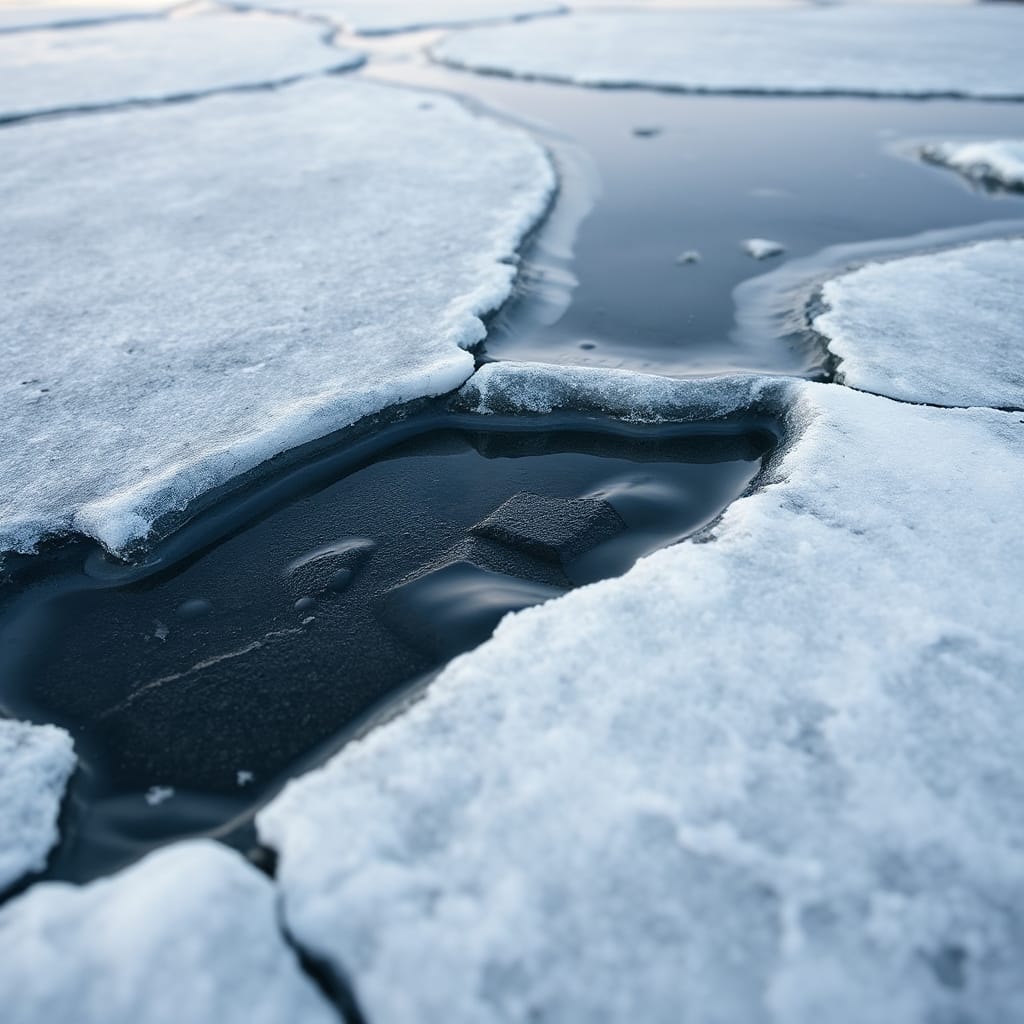
The ice usually goes out in late April or early May. It does not melt evenly. It turns dark and grainy, breaks into plates, and then one windy day it is suddenly gone and the water is moving again. I always miss the exact moment. I go to bed with a frozen lake and wake up with an open one.
Maybe that is the point. You listen and listen, and the change happens when you are not looking.