A Poem for the Last Ferry of the Season
Every October the little lake ferry near my parents’ village makes its final crossing, and I always try to be on it.

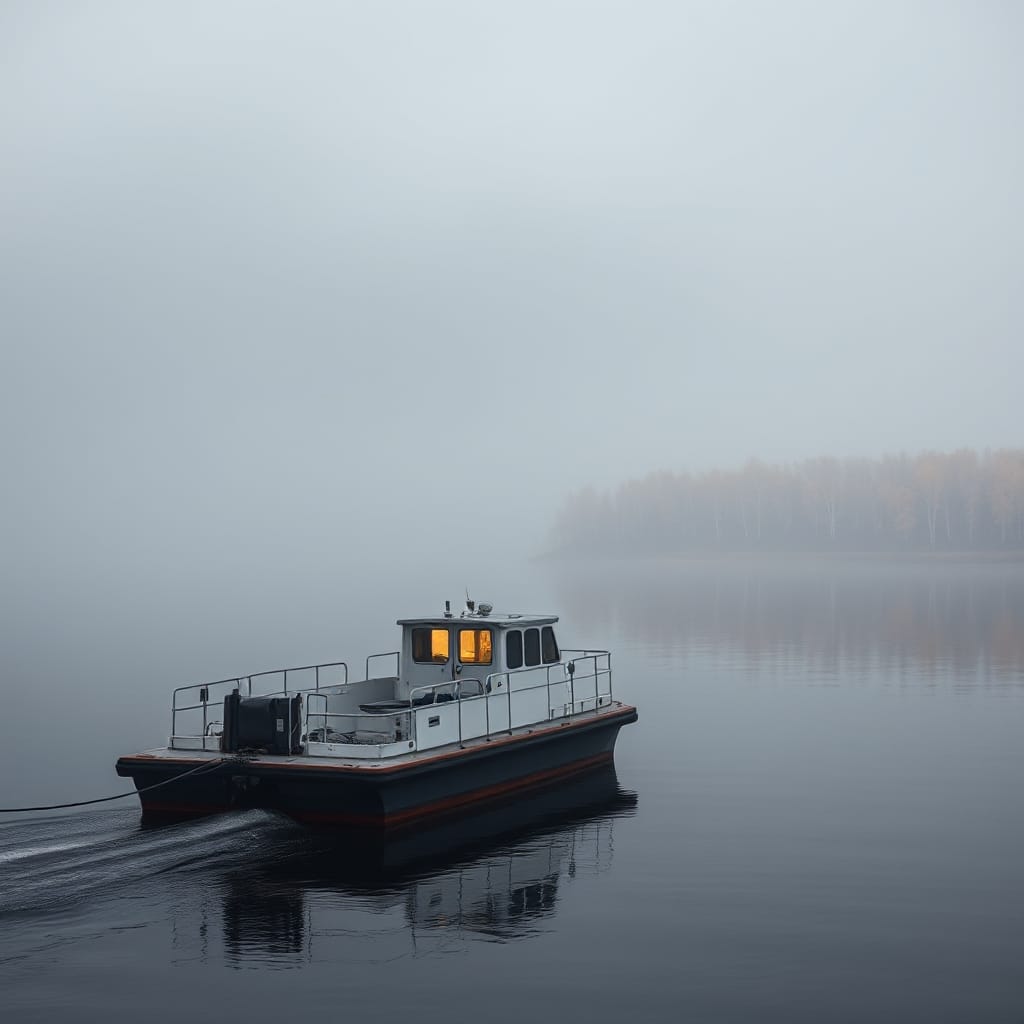
There is a cable ferry on a lake near the village where my parents live. It is not much: a flat steel deck big enough for six cars, a small cabin for the operator, and a cable that runs under the water from shore to shore. It runs from May until the ice starts to form, usually some time in late October or early November. Then it is pulled up onto land for the winter.
For several years now I have tried to ride the last crossing of the season. It is a small private ceremony. Usually I am the only passenger who knows it is the last one.
Why this crossing
My father used to work on that ferry when he was a young man, in the summers between school terms. He told me once that the last crossing always felt like closing a book. After it, the village on the other side would become a forty kilometre drive around the lake instead of a five minute crossing. People would stop visiting each other so often until spring.
That idea stayed with me: a distance that grows in winter, not because anything moves, but because the way across disappears.
The poem
I wrote this last October, standing at the rail with my hands in my pockets.
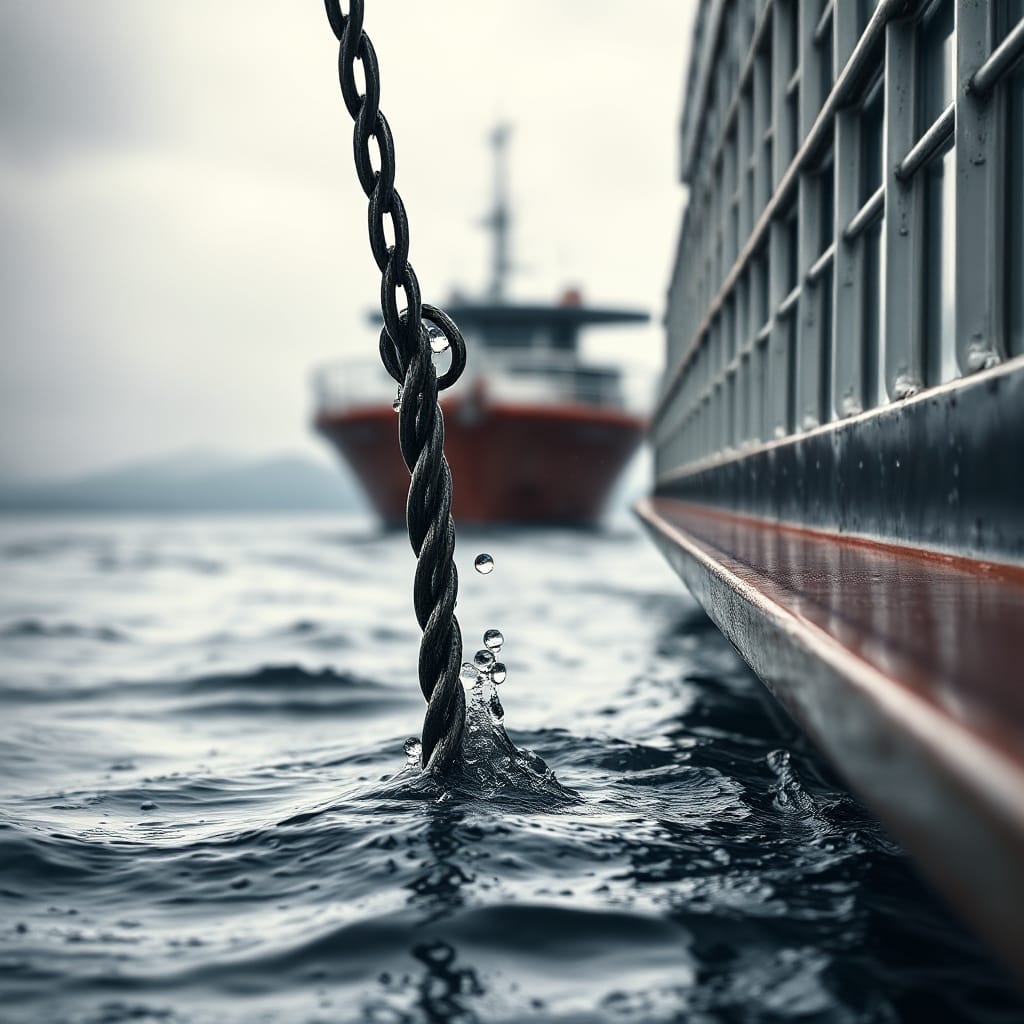
The cable rises dripping from the lake
and sinks again behind us, patient as a rosary.
Six cars' worth of deck, and only mine,
and the operator's radio playing low.
Across the water the far shore holds its birches
like a held breath. Smoke from one chimney.
A dog, somewhere, deciding not to bark.
Tomorrow they will winch this deck up onto land
and the lake will close over the cable like a mouth.
The village opposite will move forty kilometres away
without lifting a single stone.
My father worked this crossing at nineteen.
He said the last trip felt like shutting a book.
I think he meant: you have read it, it is still there,
but your hands are empty now until spring.
We bump the landing. The ramp comes down.
I drive off slowly, as if that could help,
and in the mirror the ferry waits, lit,
for no one else at all.
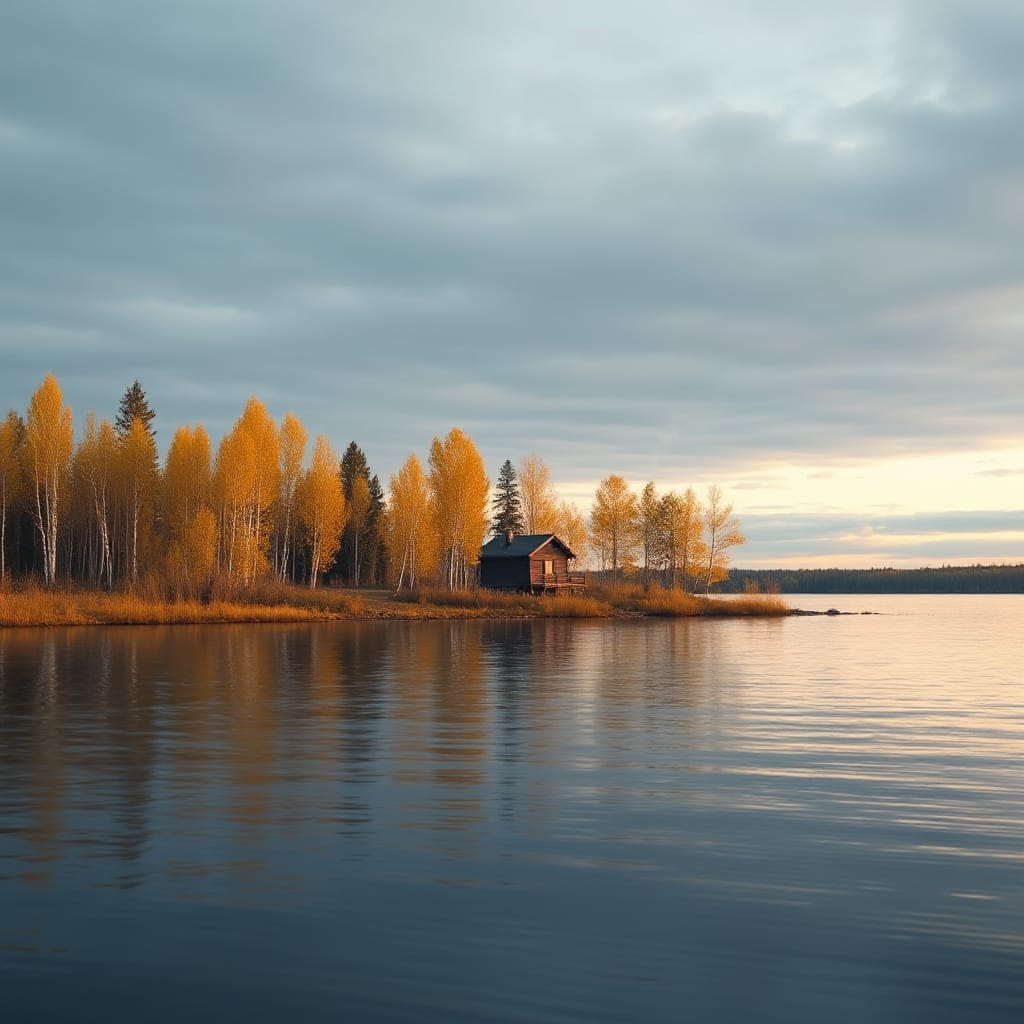
What I notice now
Rereading it, I see that the poem is less about the ferry than about my father, who is now eighty and does not drive anymore. The distances in his life have grown in exactly the way he described. Places that were easy to reach are now far.
I did not plan that when I wrote it. I was just trying to describe the cable coming up out of the water, which really does drip and shine like beads.
Small endings
Finland is a country full of small seasonal endings: the last ferry, the last swim, the day the summer cafe closes, the morning the first ice skins the lake. I think we are good at noticing them because winter is long, and you want to remember what you are waiting for.
This year the last crossing is expected in about two weeks. I have already told my mother I will be coming for the weekend. She knows why. She does not say anything about it, but she will make coffee for when I get back.