Eat Lunch Like a Local: Why the Menu del Dia Still Matters
Spain's fixed-price weekday lunch is more than a bargain. It is a small daily ritual that explains how the country eats.

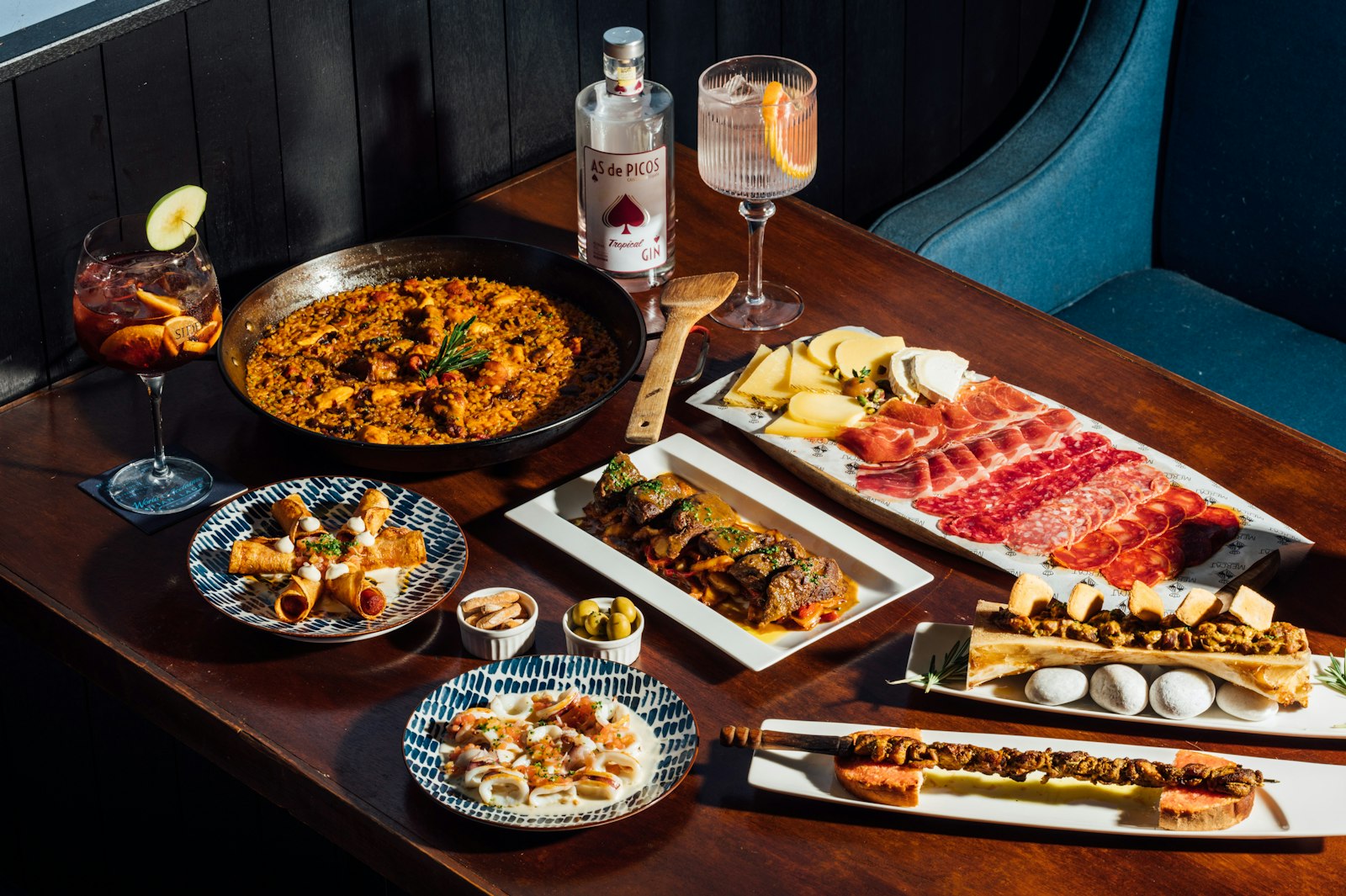
Around two in the afternoon on a weekday, something happens in almost every Spanish town. Office workers, builders in dusty boots, retired couples and students all walk into small restaurants with handwritten chalkboards outside. On the board: three courses, bread, a drink and dessert or coffee, usually for somewhere between twelve and eighteen euros.
This is the menú del día, and if you travel in Spain without eating one, you have missed a very important part of the country.
What you get
The structure is almost always the same.
- First course. Something lighter. A salad, lentil stew, gazpacho in summer, a plate of grilled vegetables, or pasta.
- Second course. The main dish. Grilled chicken, a piece of fish, pork cheeks in sauce, or a rice dish on certain days.
- Dessert or coffee. Flan, fruit, rice pudding, or a small strong coffee.
- Bread and a drink. Wine, beer, water or a soft drink, included in the price.
You usually choose from three or four options for each course. The choices change daily, depending on what the cook found at the market.
Why it exists
The tradition has roots in a government rule from the mid twentieth century that required restaurants to offer an affordable set meal for workers. The rule faded away decades ago, but the custom stayed, because it suits the rhythm of Spanish life.
Lunch here is the main meal of the day. Dinner comes late and is often lighter, sometimes just a few tapas. A proper sit-down lunch in the middle of the working day is not a luxury. It is simply how the day is built.
How to find a good one
I have eaten hundreds of these lunches, and a few signs rarely fail:
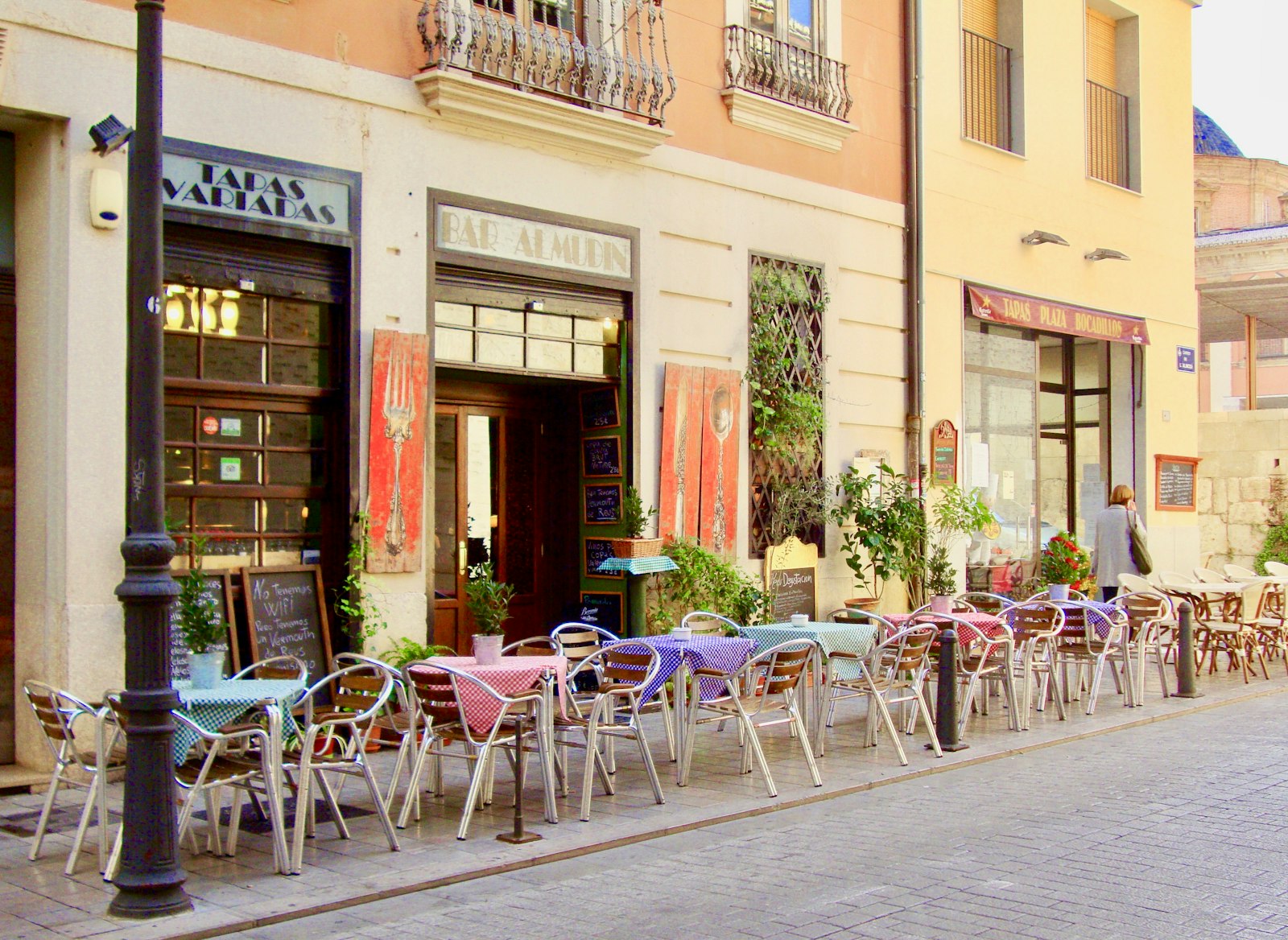
- A handwritten board. Printed, laminated menus in five languages usually mean food designed for tourists.
- People in work clothes. If local workers eat there every day, the food is honest and the portions are fair.
- Short opening hours for the menu. Many places serve it only from about 1:30 to 4:00 p.m. That is a good sign.
- Dishes you did not expect. A menu offering only paella and sangria is not a local menu. Look for stews, legumes and seasonal vegetables.
My favourite memory
In a small village bar outside Córdoba, the owner had no written menu at all. She came to the table and recited the day's options from memory. I chose chickpea stew with spinach, then fried hake, then a slice of her own almond cake. With a glass of red wine, it came to eleven euros. A table of road workers next to me finished their meal with a coffee and a game of dominoes.
Slow down for it
Do not rush. A menu del día is meant to take an hour. Eat the bread, finish the wine, order the coffee. It is cheap, but more importantly, it is a lesson in how to give the middle of the day the attention it deserves.
Cover: Photo by CHUTTERSNAP on Unsplash.