Nonna Ida's Ragù: The Recipe That Lived Only in Her Wrists
My grandmother never wrote her Sunday ragù down, so I spent a winter in her kitchen measuring what she did by feel.

Every Sunday of my childhood began with the smell of onions softening in butter at seven in the morning. By the time we came back from Mass, the whole stairwell of our building on Via del Pratello smelled of my grandmother's ragù, and the neighbours knew exactly where to knock if they wanted a spoonful on bread.
Nonna Ida never wrote the recipe down. When I asked her how much wine, she lifted the bottle, tilted it, and said "così", like this. When I asked how long, she said "finché è pronto", until it's ready. So the winter she turned eighty-nine, I stood beside her with a notebook and a kitchen scale and quietly measured everything she did.
What Was Actually in the Pot
Here is what I wrote down over six Sundays, averaged and argued over:
- 300 g minced beef, from the cheaper, fattier cut
- 150 g minced pork, plus 80 g of pancetta chopped by hand
- 1 onion, 1 carrot and 1 stick of celery, cut almost to a paste
- 150 ml dry white wine, never red
- 2 tablespoons of tomato conserva, not passata
- 250 ml whole milk, added in splashes
- Salt, and nothing else. No garlic, no herbs.
The white wine surprised me most. Visitors always assume Bologna cooks with red, but my grandmother said red made the sauce "triste", sad. The milk was the other secret: she poured it in small amounts in the last hour, and it softened the acidity of the tomato into something round and sweet.
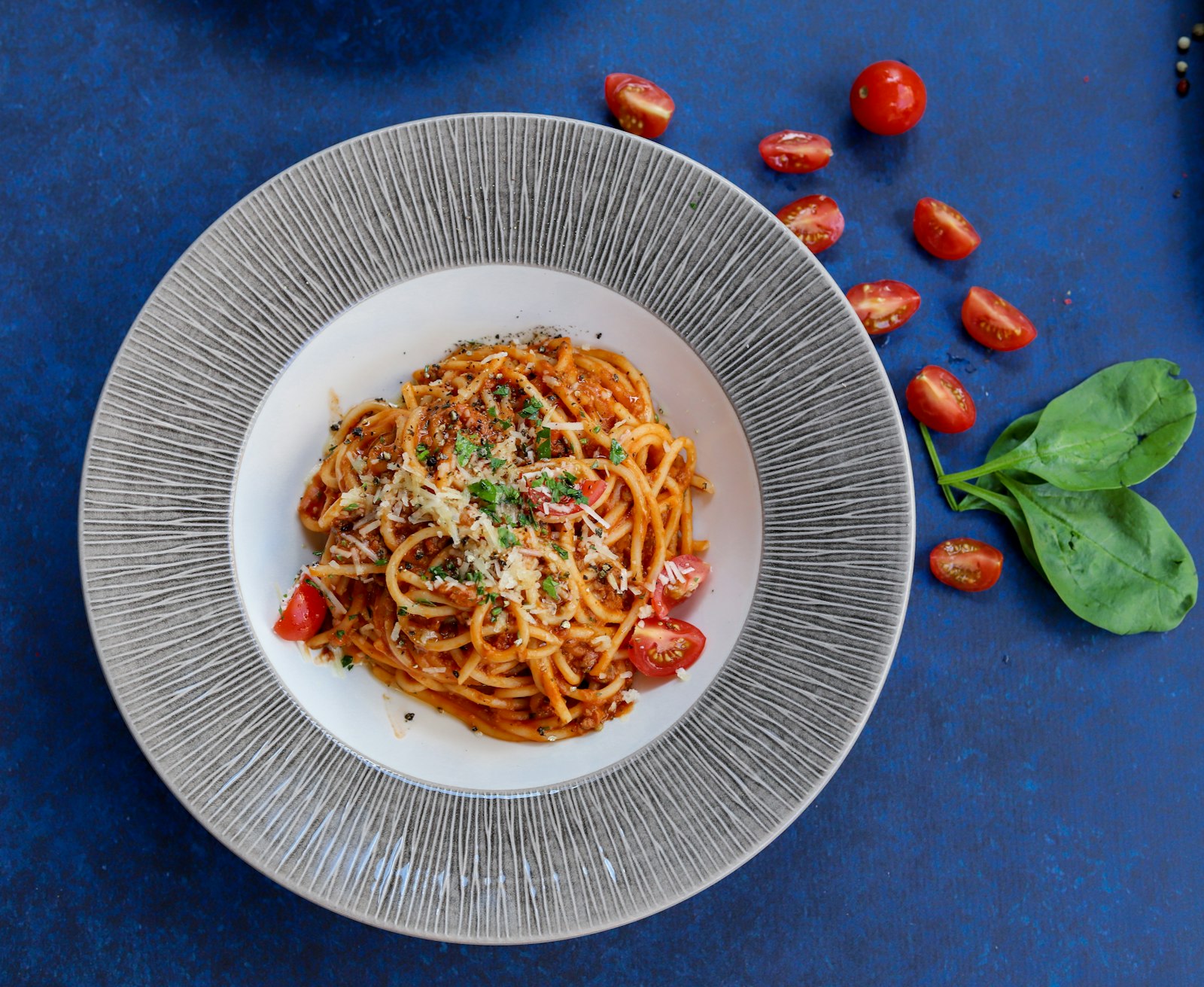
The Method Is Mostly Waiting
- Melt the pancetta slowly with a knob of butter until the fat runs clear.
- Add the vegetables and cook for twenty minutes, stirring often, until they almost disappear.
- Add the meat and press it flat with a wooden spoon. Let it brown properly before you break it up.
- Pour in the wine and let it evaporate completely. She listened for the sound to change.
- Stir the conserva into a ladle of hot water, then add it to the pot.
- Cover, leaving a gap, and cook on the lowest flame for at least three hours, adding milk a little at a time.
"If you stir it too much, it never learns to be quiet."
That was the closest she came to explaining the timing. What she meant, I think, is that ragù needs long stretches of being left alone. The meat has to sit in the bottom of the pot and catch, very slightly, so that the sauce takes on that deep brown colour. Fuss over it and you get a red, watery stew.
What the Scale Could Not Measure
My notebook has the numbers now, but the first time I made it alone it still tasted wrong. It took me a dozen attempts to understand that she was cooking by sound and smell as much as by quantity. The sizzle has to be gentle, never angry. The kitchen has to smell of caramel before you add the wine.
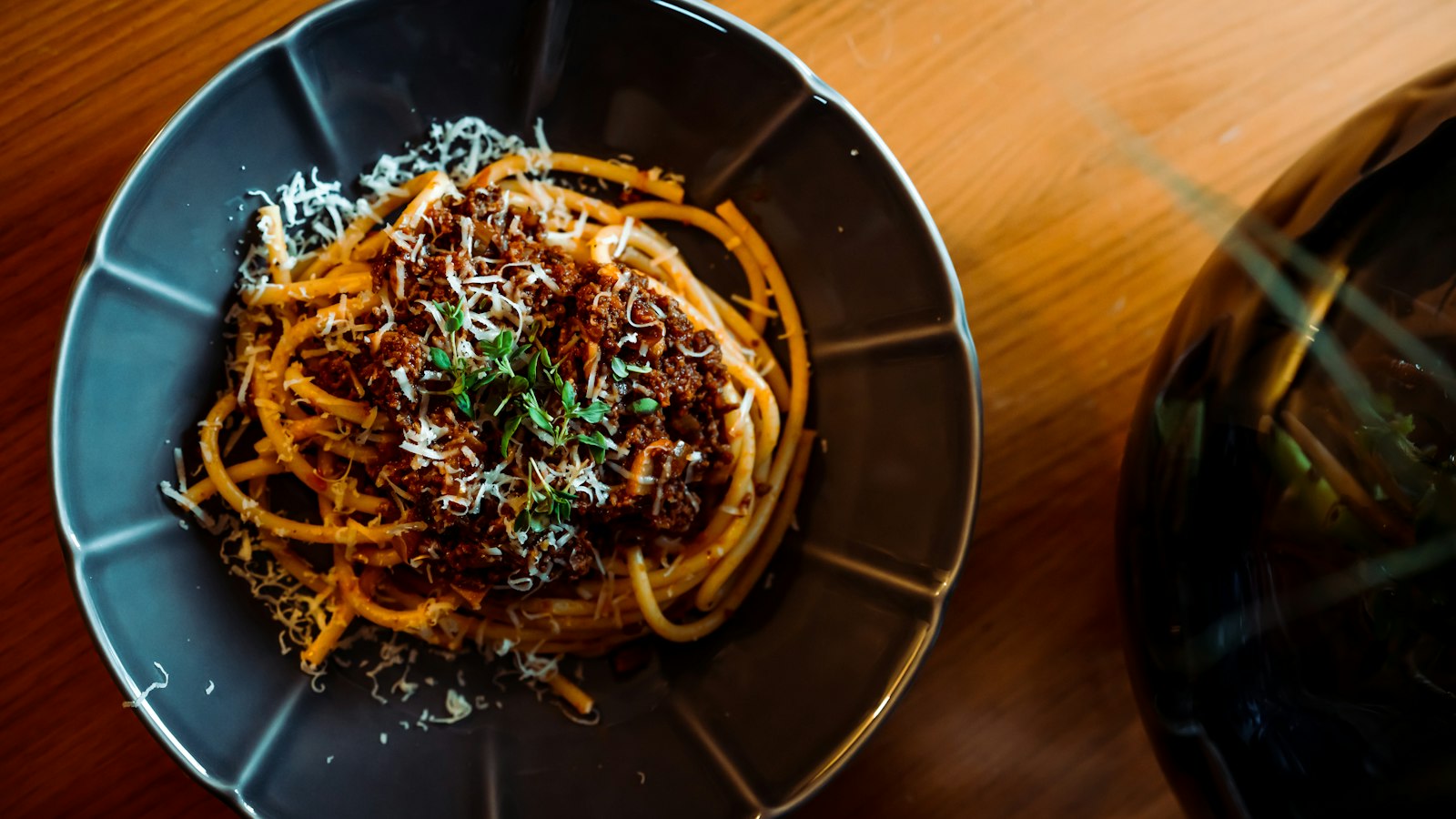
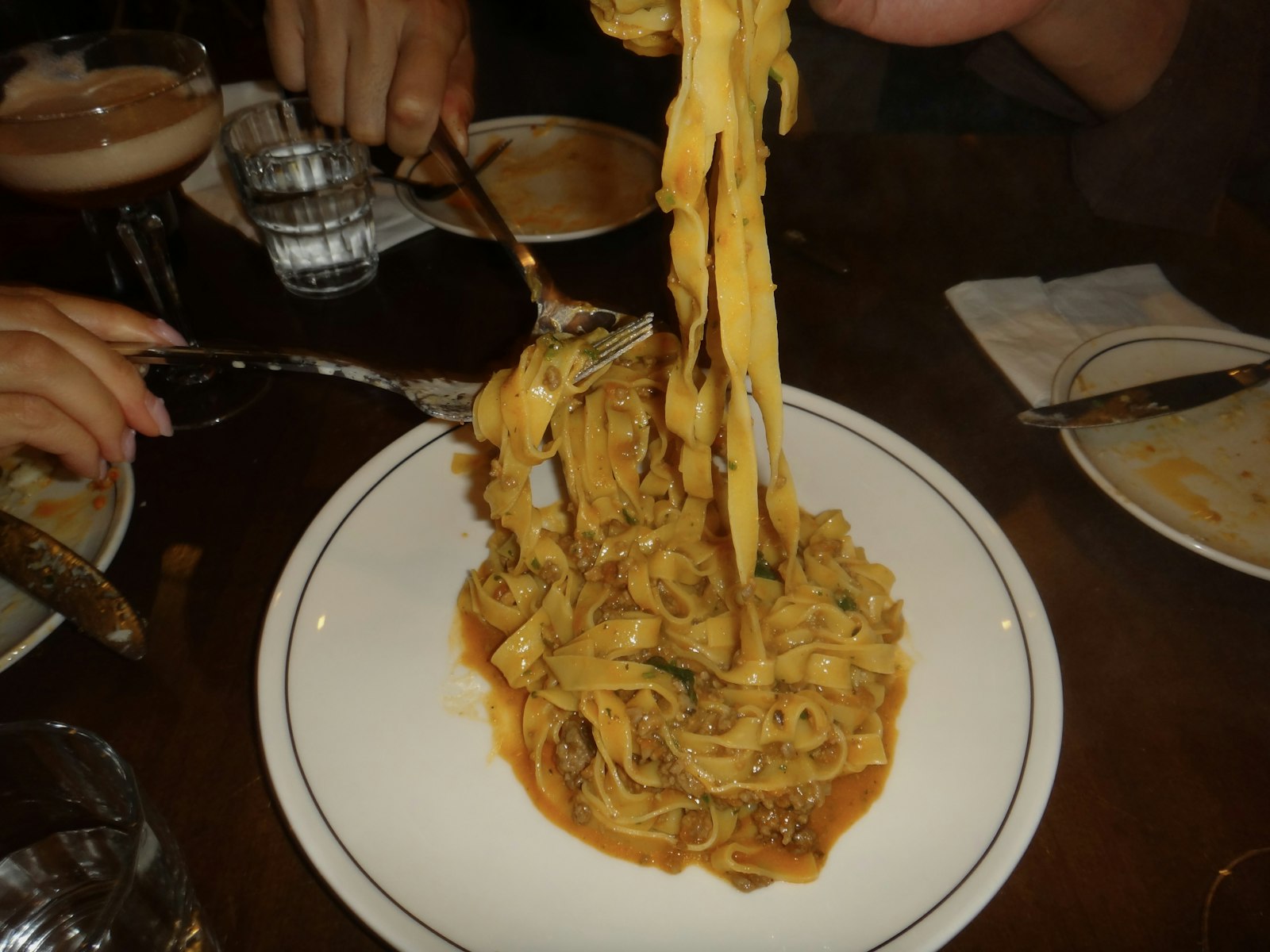
Nonna Ida died two winters later. I serve her ragù the way she did, on fresh tagliatelle and never on spaghetti, with a bowl of Parmigiano on the table and a warning to the youngest cousin not to take the first plate. The recipe is written down at last, but I still check it against the memory of her wrists.
Cover: Photo by Hailey Tong on Unsplash.