Three Days of Bitter Oranges: What Marmalade Taught Me About Patience
Bitter-orange marmalade cannot be rushed. Over three slow winter days, it taught me more about cooking than any quick recipe ever did.

Every January a crate of bitter oranges arrives at my door from a friend's family grove near Catania. They are ugly fruit: lumpy, thick-skinned, sour enough to make you wince. You cannot eat them raw. But give them three days and a heavy pot, and they become the most beautiful thing in my pantry.
Bitter oranges have a long European history. Arab farmers brought them to Sicily and Andalusia in the Middle Ages, long before the sweet orange arrived. In Seville they still line the streets, and for centuries much of the harvest was shipped to Britain, where marmalade became a national obsession. In Sicily we call the fruit arancia amara, and our grandmothers made it into a soft, dark preserve to spread on bread in winter.
Day One: Slicing and Soaking
The first day is all knife work. I wash the oranges, cut them in half, squeeze out the juice and keep the pips. Then I slice the peel into thin strips, as thin as I can manage.
- 1 kg bitter oranges
- 1 lemon
- 2 litres of water
- About 1.8 kg sugar, depending on the weight after cooking
The pips go into a little muslin bag. They are full of natural pectin, which will set the marmalade later. Everything goes into a large bowl with the water, and the bowl sits overnight on the cold kitchen windowsill.
Day Two: The Long Simmer
The next morning I tip everything into my widest pot and simmer it gently, uncovered, for about two hours. The peel must be completely soft. If you can't squash a strip easily between finger and thumb, keep going. Sugar added too early will lock the peel into a hard, chewy texture that no amount of boiling can fix.
Most kitchen mistakes come from wanting the next step before the last one is finished.
Then the pot comes off the heat and rests again overnight. This second rest is the part most modern recipes skip, and it is the part that makes the flavour rich and deep.
Day Three: Sugar and the Set
- Weigh the softened fruit and add an equal weight of sugar.
- Stir over a low heat until every grain has dissolved.
- Turn up the heat and boil hard, without stirring too much, for 15 to 25 minutes.
- Test the set: drop a spoonful onto a cold saucer, wait a minute, and push it with your finger. If it wrinkles, it is ready.
- Let it rest ten minutes so the peel spreads evenly, then pour into hot sterilised jars.
What the Jars Teach
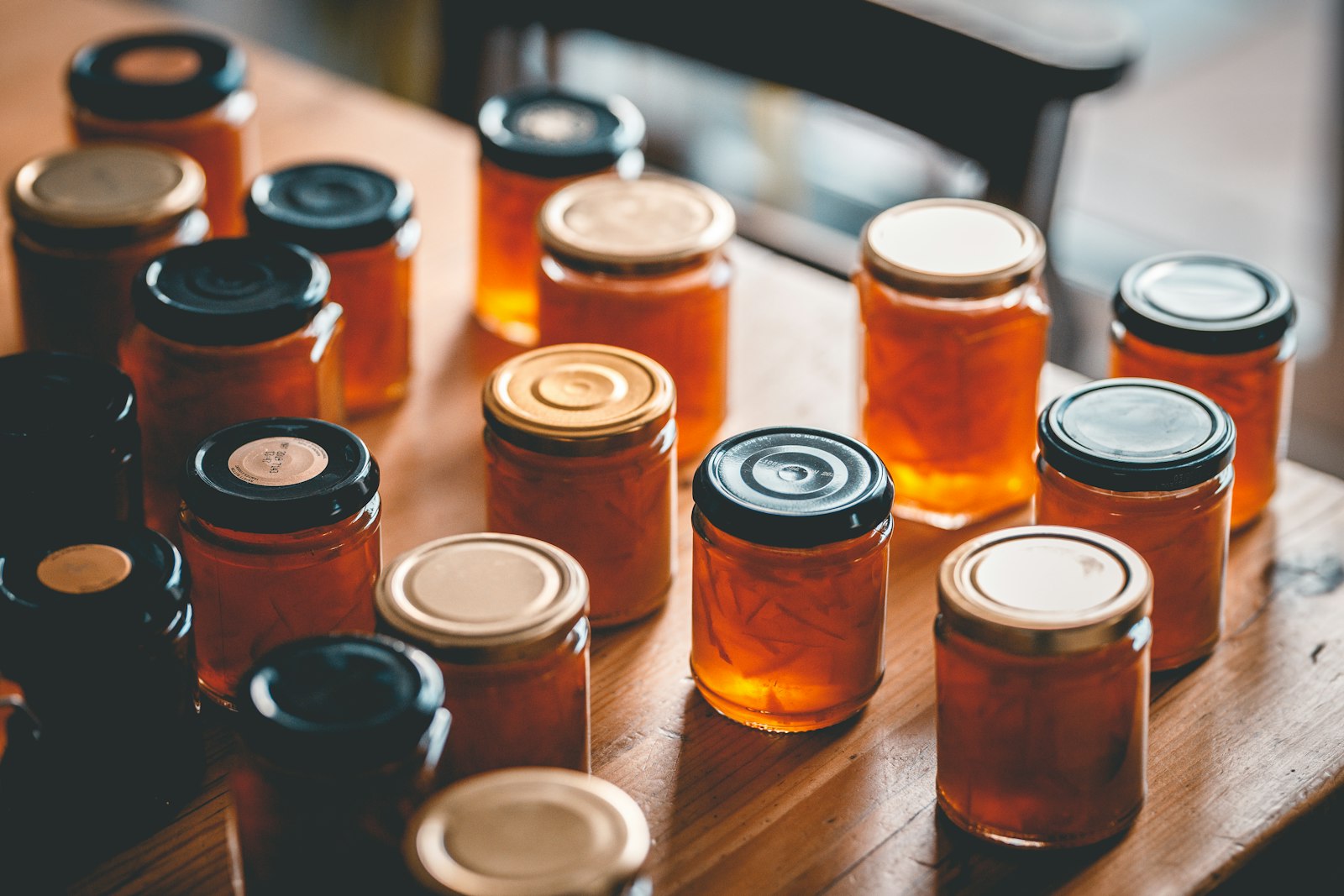
When the jars cool on the counter, they glow amber in the winter light, and I always feel calmer than I did three days earlier. Marmalade does not respond to hurry. It responds to attention, to waiting, and to knowing when to leave something alone.
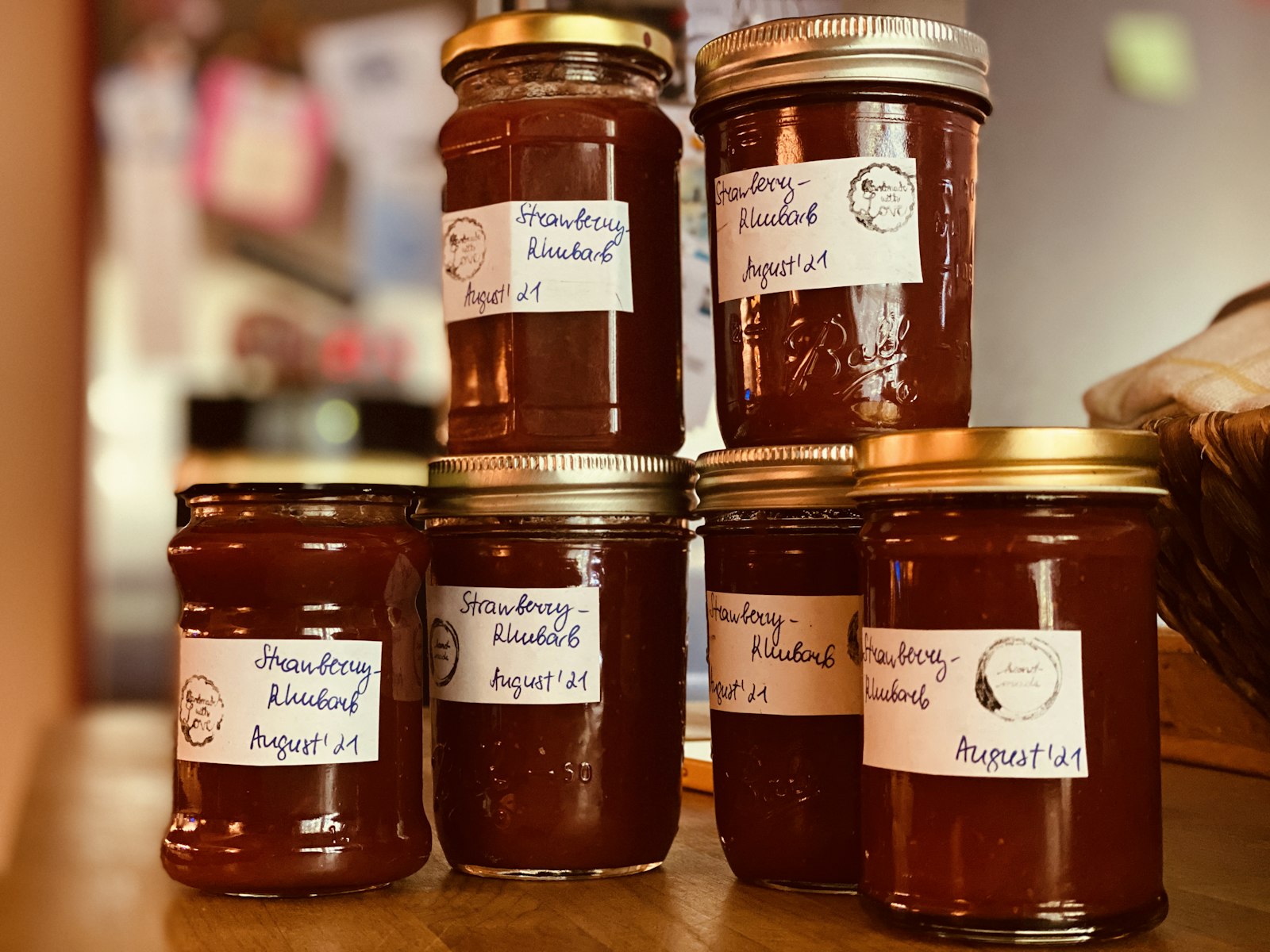
I give most of the jars away. Each one comes with a small label in my handwriting and the date it was made. My friends say it tastes of Sicily. To me, it tastes of three quiet days in January when the only thing I had to do was wait.
Cover: Photo by Rob Wicks on Unsplash.