Freelancers: Stop Paying Your Rent From Your Business Account
Mixing business and personal money is the most common mistake I saw as an accountant. Here's a simple system to separate the two for good.

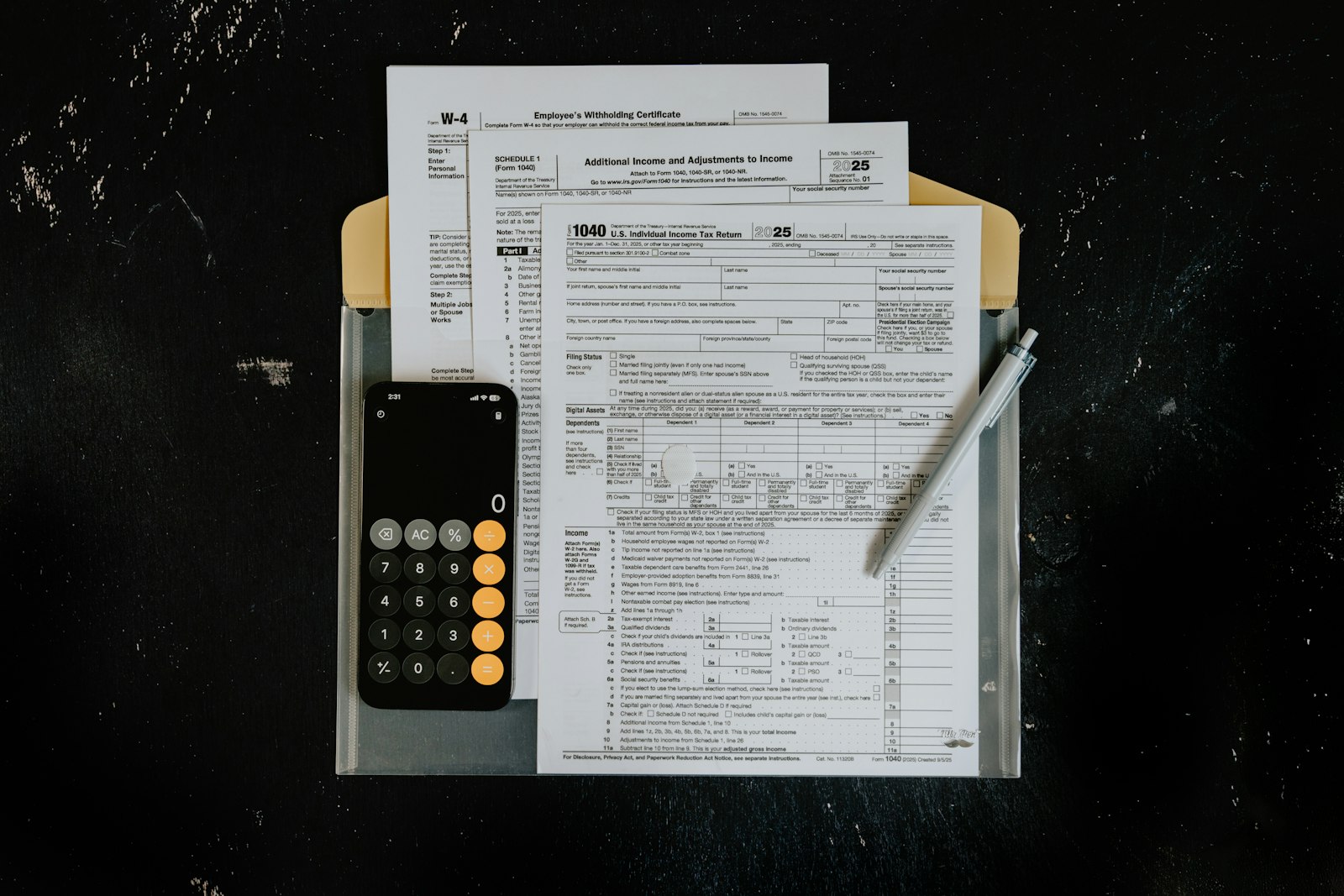
When I worked in practice, January was the month of carrier bags. Freelancers would arrive with a year of receipts, one bank statement, and no idea which of the 900 transactions were business. One graphic designer had paid her rent, her Spotify, her client software and her VAT-registered printer all from the same account. It took us eleven hours to untangle. She paid for every one of them.
Why mixing money hurts
It isn't just untidy. Blending business and personal spending causes three real problems:
- You can't see your profit. If £4,000 comes in and £3,000 goes out, how much was the business and how much was Deliveroo?
- You miss legitimate expenses. Buried claims mean a bigger tax bill than necessary.
- Tax day becomes a shock. Without a separate pot, the money for HMRC gets spent in July.
The three-account system
You don't need fancy software to fix this. You need three accounts and one rule.
- Business account. Every client payment lands here. Every business cost leaves from here: software, equipment, coworking passes, professional insurance.
- Tax pot. A savings account where you move a fixed percentage of every payment the day it arrives.
- Personal account. You pay yourself a regular "salary" from the business account, and your rent, groceries and nights out come from here only.
The rule: personal spending never touches the business account. If you accidentally use the wrong card, transfer the money back the same day and make a note.
How much to put in the tax pot
For a sole trader in the UK paying basic-rate tax, setting aside 25% of profit is a sensible starting point. It roughly covers income tax and Class 4 National Insurance. If your profits climb past the higher-rate threshold, move that to 30% or more.
Remember the timing, too. Your Self Assessment bill is due by 31 January, and once your bill passes £1,000 you'll usually also pay payments on account towards next year. Your first year can feel like paying tax twice. The tax pot exists so that it doesn't feel like a crisis.
Money in your business account isn't yours yet. Money in your personal account is.
Pay yourself like an employer would
Pick a fixed monthly amount based on your average profit, not your best month. If you earned £42,000 in profit last year, after setting aside tax, you might pay yourself £2,500 a month. Good months build a buffer in the business account. Lean months draw it down. Your personal life stays predictable either way.
A quick weekly habit
Every Friday, spend ten minutes:
- Matching receipts to business transactions (a photo on your phone is fine)
- Moving the tax percentage on any new income
- Checking unpaid invoices
The payoff
The designer I mentioned came back the next January with a single spreadsheet and three statements. Her accounts took ninety minutes. More importantly, she knew all year exactly what her business earned, and she could finally answer the question every freelancer dreads: "Can I afford to take August off?"
Cover: Photo by Kelly Sikkema on Unsplash.