I Paid Off My Mortgage at 57. I Wish I Had Not Rushed It.
Being debt-free felt wonderful for about a month. Then I did the math on what it cost.


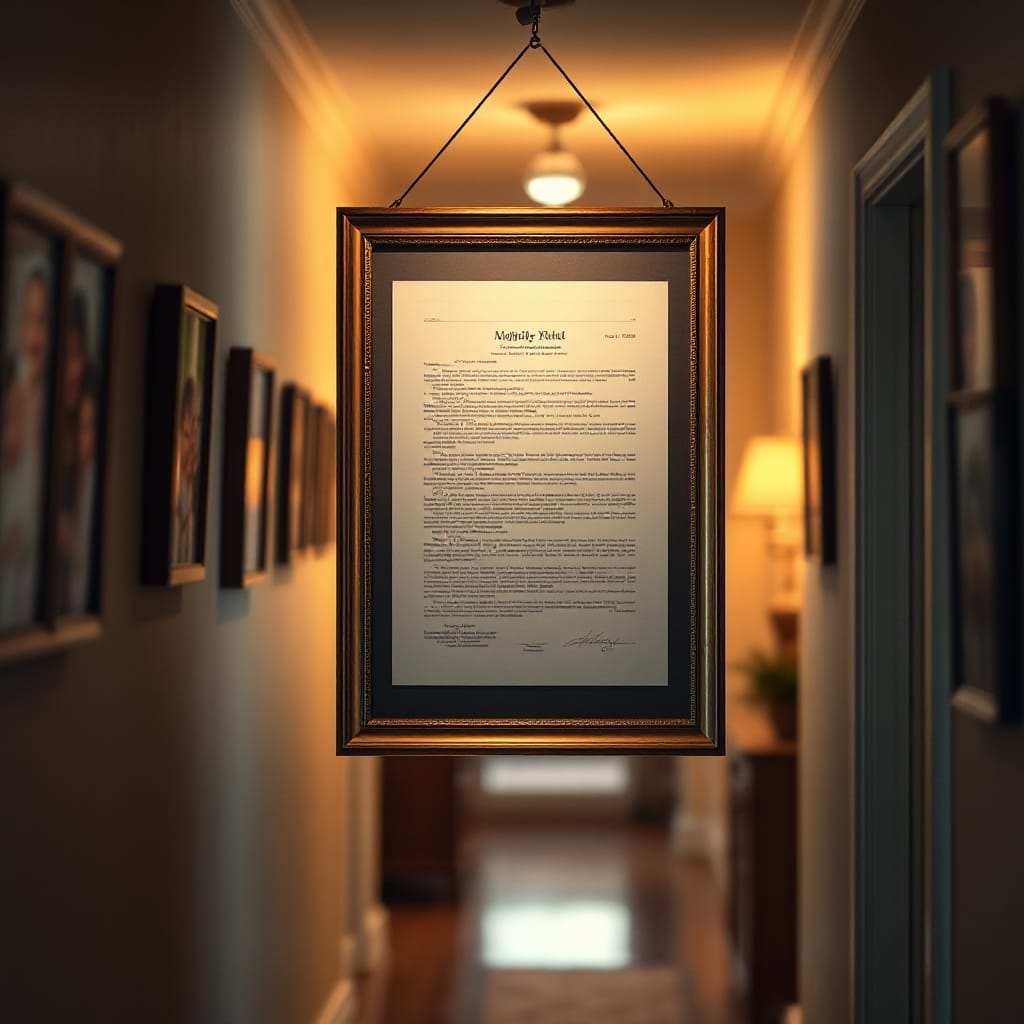
Last spring I made the final payment on our house in Worcester, Massachusetts. My wife and I had bought it in 1999 for $189,000, refinanced twice, and then spent the last eight years throwing every spare dollar at the principal. When the bank sent the release letter, we framed it and hung it in the hallway.
I am glad the house is paid off. But I have spent the months since then realizing that the way we got there was not as smart as it felt. This is not financial advice. It is just one guy's story about chasing a feeling.
The feeling was the point
I grew up in a family where debt was a kind of shame. My father worked at a paper mill and paid cash for everything, including, eventually, a used station wagon he was very proud of. When my wife and I took on a mortgage, part of me always felt like I was carrying something heavy.
So around age 49, after our youngest finished college, I decided I wanted that weight gone before I turned 60. We started paying an extra $1,100 a month toward principal. Later we added bonuses and a small inheritance.
What I gave up
Our mortgage rate after the last refinance was 3.25 percent. That is low. During those eight years, I was putting extra money into the house instead of into my workplace retirement plan beyond the employer match, and instead of building a bigger cash cushion.
When I finally sat down with a fee-only planner last summer, she showed me a rough comparison. The extra money we paid toward the house, if it had instead gone into a basic diversified retirement fund, would likely be worth noticeably more today. Not a fortune, but enough to matter at our age. Of course, markets could have gone the other way. That is the honest part.
Our cash problem
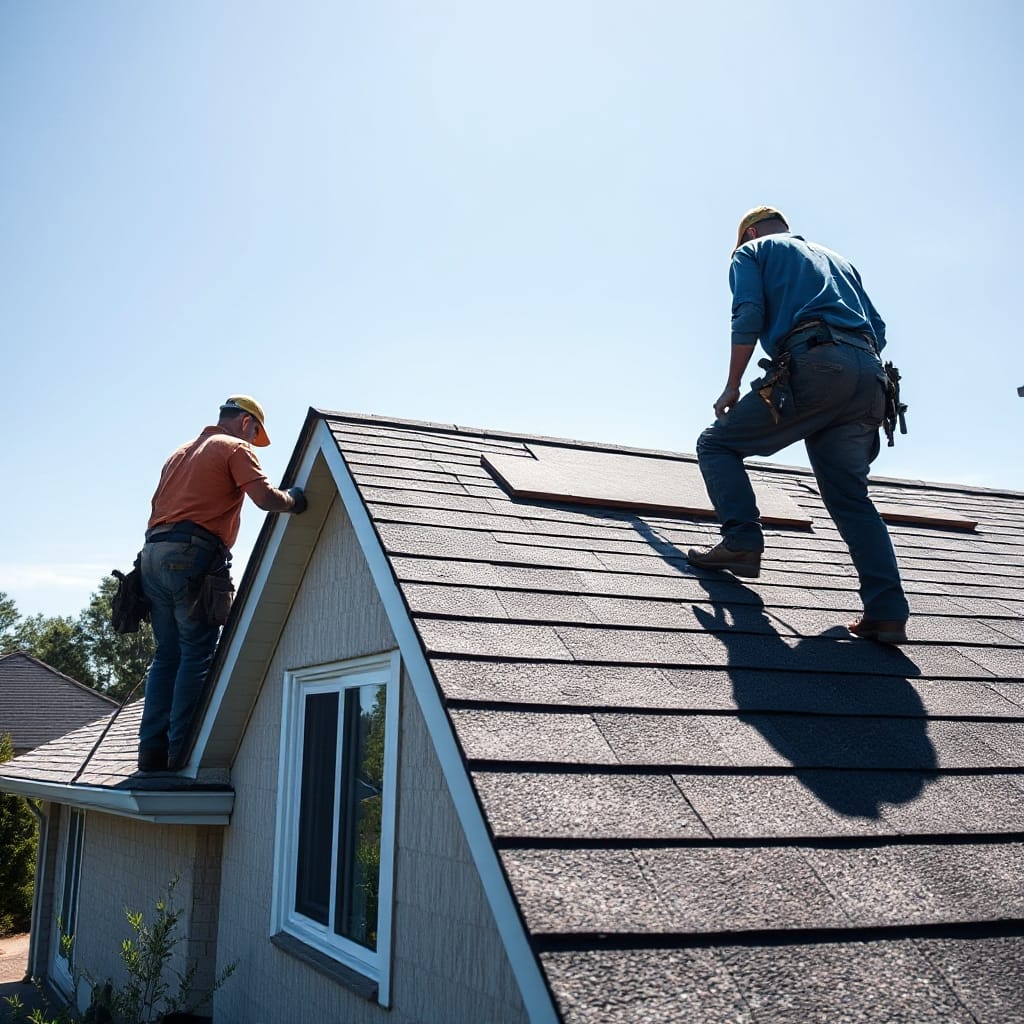
The bigger issue was liquidity. A house is wonderful to own, but you cannot buy groceries with a hallway. Two months after the final payment, our roof needed replacing, which cost $16,500. We had about $9,000 in savings, because everything else had gone into the mortgage.
We ended up putting part of it on a credit card at a rate far higher than the mortgage ever was. I felt pretty foolish writing that check.
What I would tell my younger self
If I could talk to myself at 49, I would say:
- Build the emergency fund first. Six months of expenses, in cash, before any extra principal payments.
- Take the full retirement match and then some. Low-rate debt can wait.
- Decide how much the feeling is worth to you. If being debt-free is worth a certain cost, that is fine, but name the cost out loud.
Do I regret it
Not entirely. There is a real peace in knowing that if I lost my job tomorrow, nobody could take the house. My wife sleeps better. I sleep better. That is worth something.
But I would have gotten to the same place maybe three years later, with more savings and a roof paid for in cash. The framed letter in the hallway is still there. Some days I look at it and feel proud. Other days I think it should have a small footnote that says: "Could have been smarter."