Sleep Debt Is Real, but You Can't Fully Repay It on Sunday
Weekend lie-ins help a little, but research suggests they don't erase the effects of short weeknight sleep. Here is what does help.

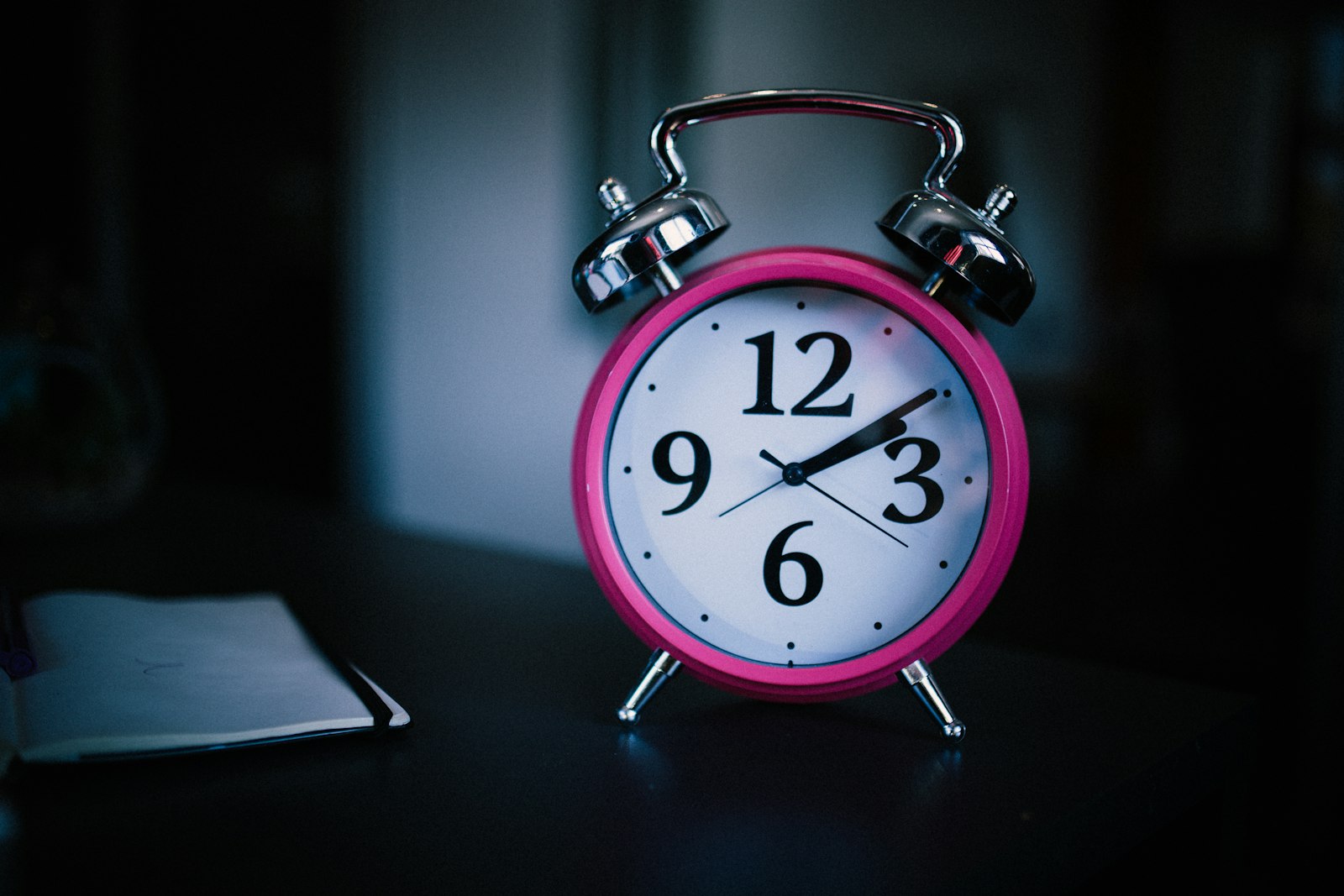
A friend of mine, a junior doctor, has a theory she calls the sleep bank. During the week she sleeps around five hours a night. On Saturday and Sunday she sleeps until noon. In her mind, the account balances. I understand the logic, and I have lived it myself during exam seasons. Unfortunately, the biology is less forgiving.
What sleep debt means
Sleep debt is the gap between the sleep you need and the sleep you get. Most adults are generally advised to get at least seven hours a night, although individual needs vary. If you need seven and a half and sleep five and a half for five nights, you have accumulated a shortfall of around ten hours.
In the short term, even a few nights of restricted sleep measurably affect attention, reaction time, mood and memory. One of the more unsettling findings in sleep research is that people with ongoing mild restriction often underestimate how impaired they are. They feel they have adapted, while their performance on tests continues to slip.

Can weekends repay it?
Partly. Extra sleep after a short week does help you feel more alert, and you will often sleep longer and more deeply when given the chance. But several controlled studies suggest that weekend recovery sleep does not fully reverse the effects of a week of short sleep.
In some experiments, participants who slept little during the week and caught up on the weekend did not show full recovery in measures such as metabolic regulation and attention once the next short week began. In addition, very late weekend wake-ups can shift your body clock, which makes it harder to fall asleep on Sunday night and can leave you feeling jet-lagged on Monday morning.
What actually helps
Protect a consistent schedule
Keeping wake times within about an hour across the whole week helps your internal clock stay stable. It is often more useful than one dramatic lie-in.
Add sleep in small increments
Going to bed even 20 to 30 minutes earlier on weeknights adds up to two or more extra hours over a week.
Use naps sensibly
A short nap of 10 to 30 minutes in the early afternoon can improve alertness without making night-time sleep much harder for most people.
Watch the basics
- Get daylight exposure in the morning.
- Limit caffeine in the hours before bed, since its effects can last a long time.
- Keep the bedroom cool, dark and reasonably quiet.
When to talk to a doctor
If you regularly sleep enough hours but still feel exhausted, snore loudly, or stop breathing briefly during sleep according to a partner, it is worth seeking medical advice. Conditions like sleep apnoea are common and treatable.
Back to the sleep bank
My friend has not given up her weekend lie-ins, and I do not think she should. Sleeping more when you can is better than not. But she now treats them as a partial refund, not a full repayment, and she has started guarding her weeknight sleep a little more fiercely.
Cover: Photo by Mpho Mojapelo on Unsplash.