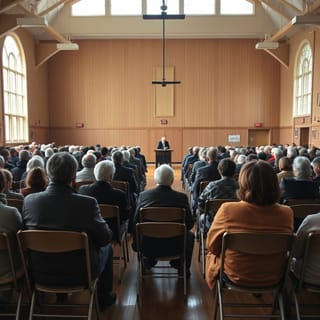
The Committee Room Is Where Laws Actually Get Rewritten
Floor debates get the cameras, but most of the real changes to a bill happen in small rooms with long tables and very little drama.

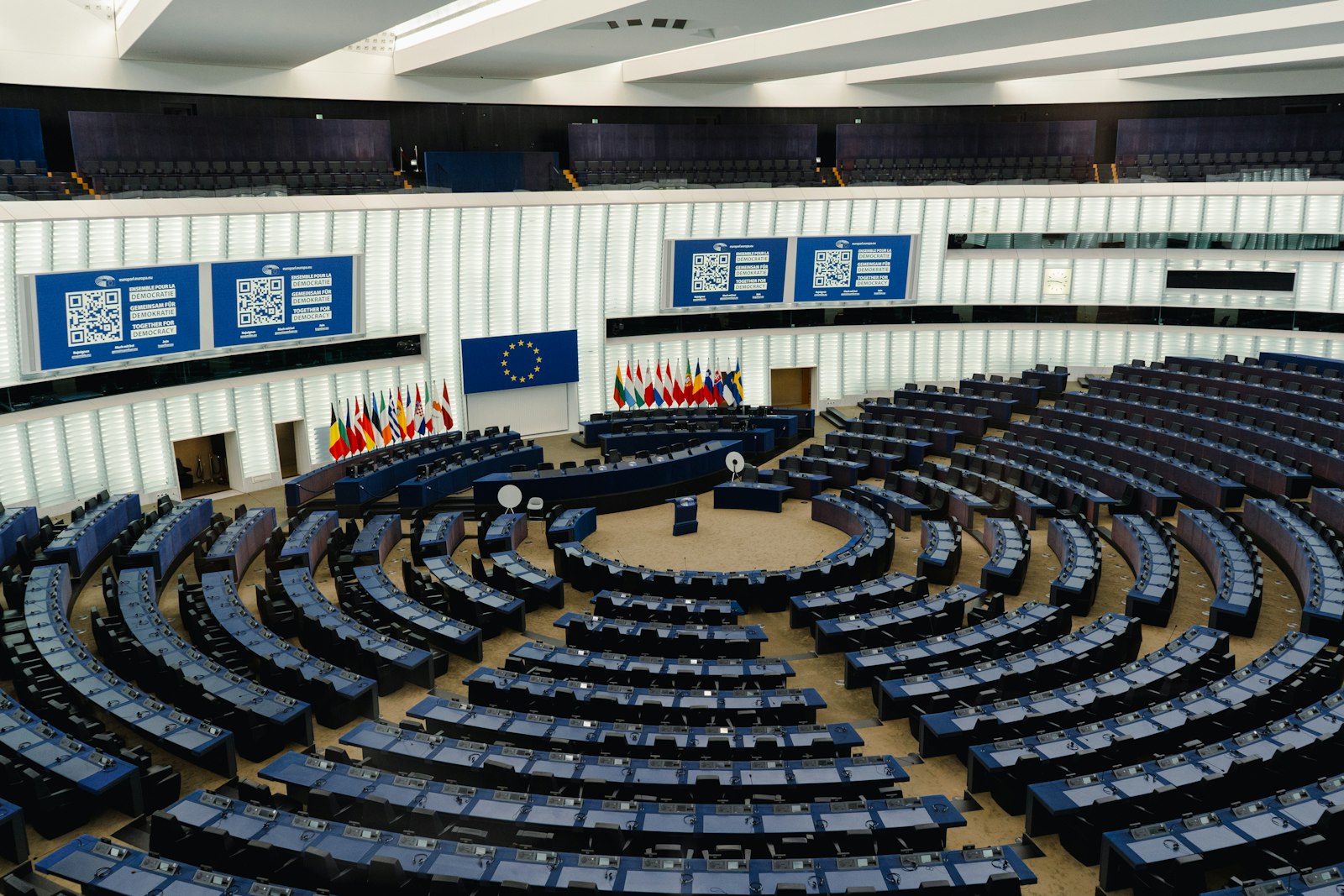
If you only watched legislative debates on television, you would think laws are shaped by speeches. Members stand, argue, sit, and then vote. But by the time a bill reaches that final vote, most of its text has usually been fixed somewhere much quieter: a committee room.
What a committee actually does
Most legislatures split work among committees organised by subject: finance, health, education, transport and so on. When a bill is introduced, it is typically sent to the relevant committee before the full chamber considers it in detail.
There, a smaller group of members does the unglamorous work:
- Hearing evidence from officials, researchers, industry groups and affected citizens.
- Going through the bill line by line, sometimes clause by clause.
- Proposing amendments, many of them technical.
- Writing a report that recommends whether, and in what form, the bill should proceed.
A committee of fifteen people can spend forty hours on a bill that the full chamber debates for four.
The amendment you never hear about
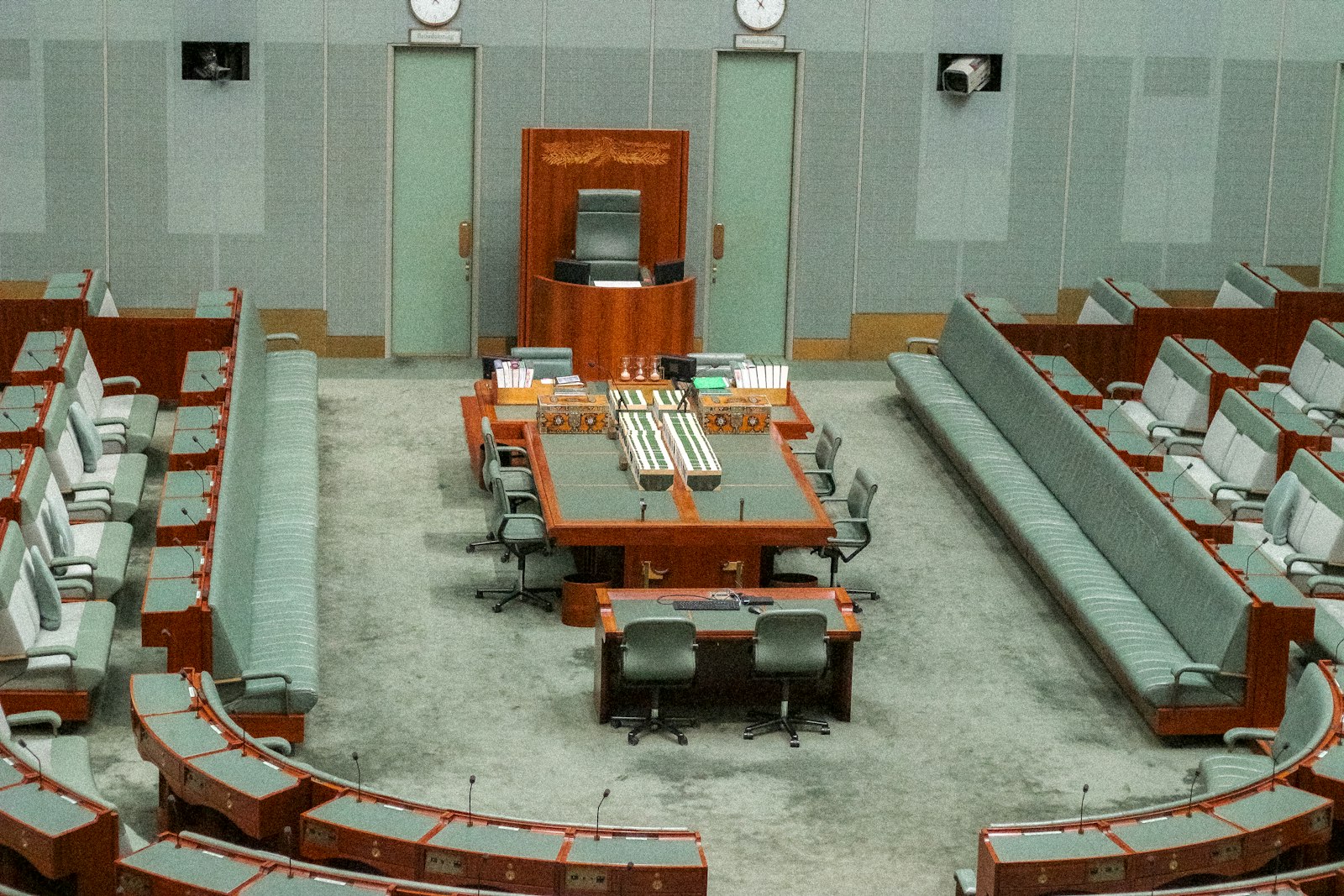
Here is a hypothetical that mirrors many real cases. A bill sets up a grant scheme for small farms and defines a small farm as one under 20 hectares. In committee, a witness points out that in one region, nearly all family farms are 22 to 25 hectares because of how land was historically divided. The definition is changed to 30 hectares.
Nobody makes a speech about it. No headline mentions it. And yet that one number decides whether thousands of households qualify.
This is what committee work mostly is: catching the gap between what a law intends and what its words actually do.
Why committees can be less heated
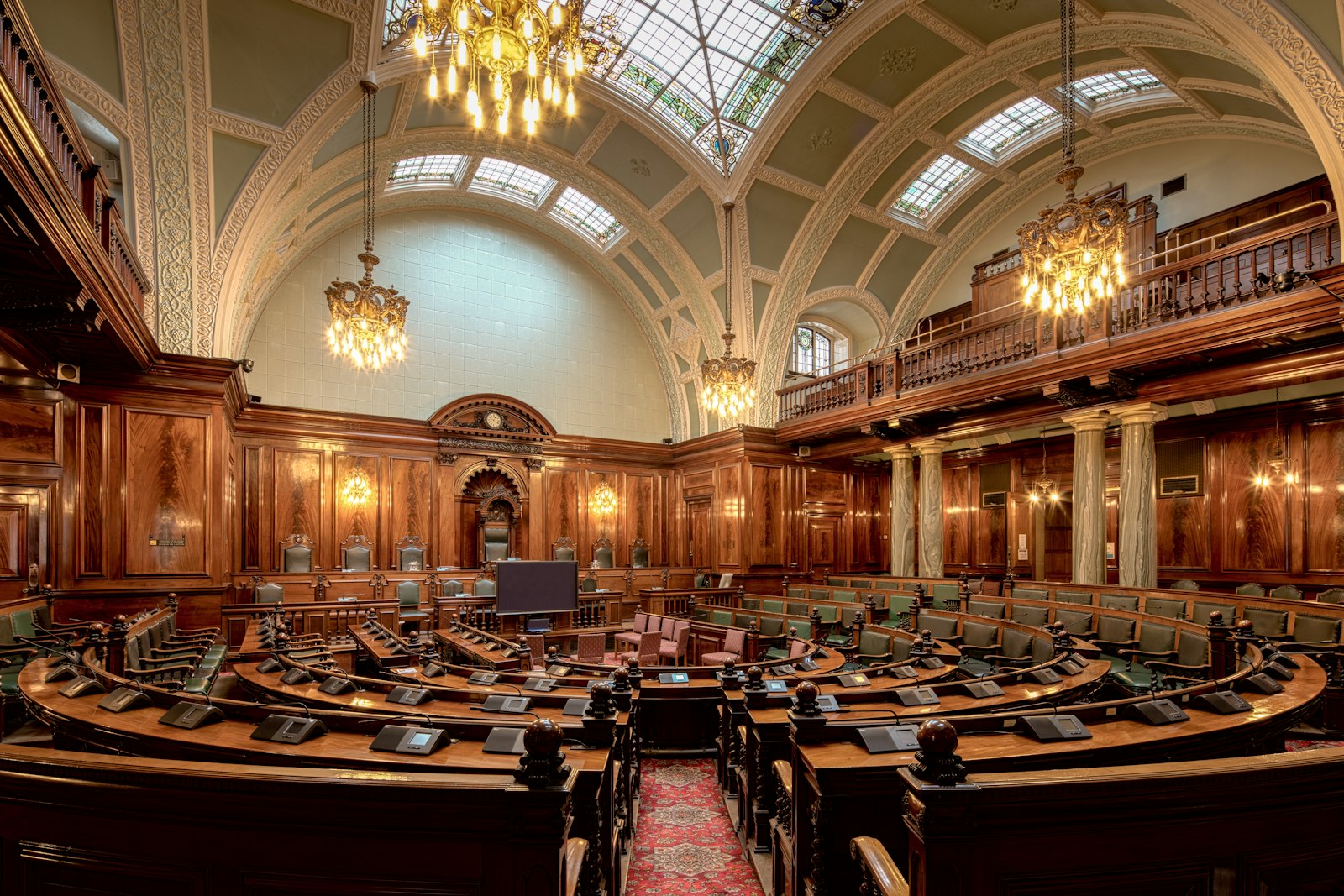
Committees are not free of disagreement, but they often feel calmer than the main chamber. A few structural reasons:
- Smaller audiences. Fewer cameras, less incentive to perform.
- Repeated contact. Members sit together for years and build working relationships.
- Specialisation. People who have spent a decade on transport policy argue about evidence more than slogans.
- Detail. It is hard to stay angry while debating the definition of a commercial vehicle.
How to follow a bill properly
If you care about a particular law, the committee stage is the place to watch. Many committees publish their hearing schedules, witness lists and written submissions. The final report usually lists every amendment adopted and why.
The speech tells you what a law is for. The committee report tells you what it will actually do.
And if you have relevant experience, committees often accept written evidence from the public. A clear, two-page submission explaining how a clause would affect real people is one of the most underused ways an ordinary citizen can shape legislation. It does not require a following, a slogan, or a raised voice. It just requires being specific.
Cover: Photo by Nico Ruge on Unsplash.