Why Counting Votes Takes Days When Exit Polls Take Minutes
The gap between the projection and the certified result is not a sign of trouble. It is the system doing exactly what it was designed to do.

On election night, a projection can appear on screen within minutes of polls closing. Then the official count takes two days, sometimes two weeks. To a lot of people, that gap looks suspicious. Why is the slow answer the real one?
Because they are answering different questions.
A projection is a statistical estimate
Exit polls and early projections rely on samples. Researchers interview a few thousand voters at selected polling places, weight the answers by known demographics, and estimate the overall result. When a race is not close, a sample of 3,000 can call it reliably. When it is within two or three points, the margin of error swallows the answer and responsible analysts wait.
A projection is a forecast with a confidence level attached. It is useful, and it has no legal weight at all.
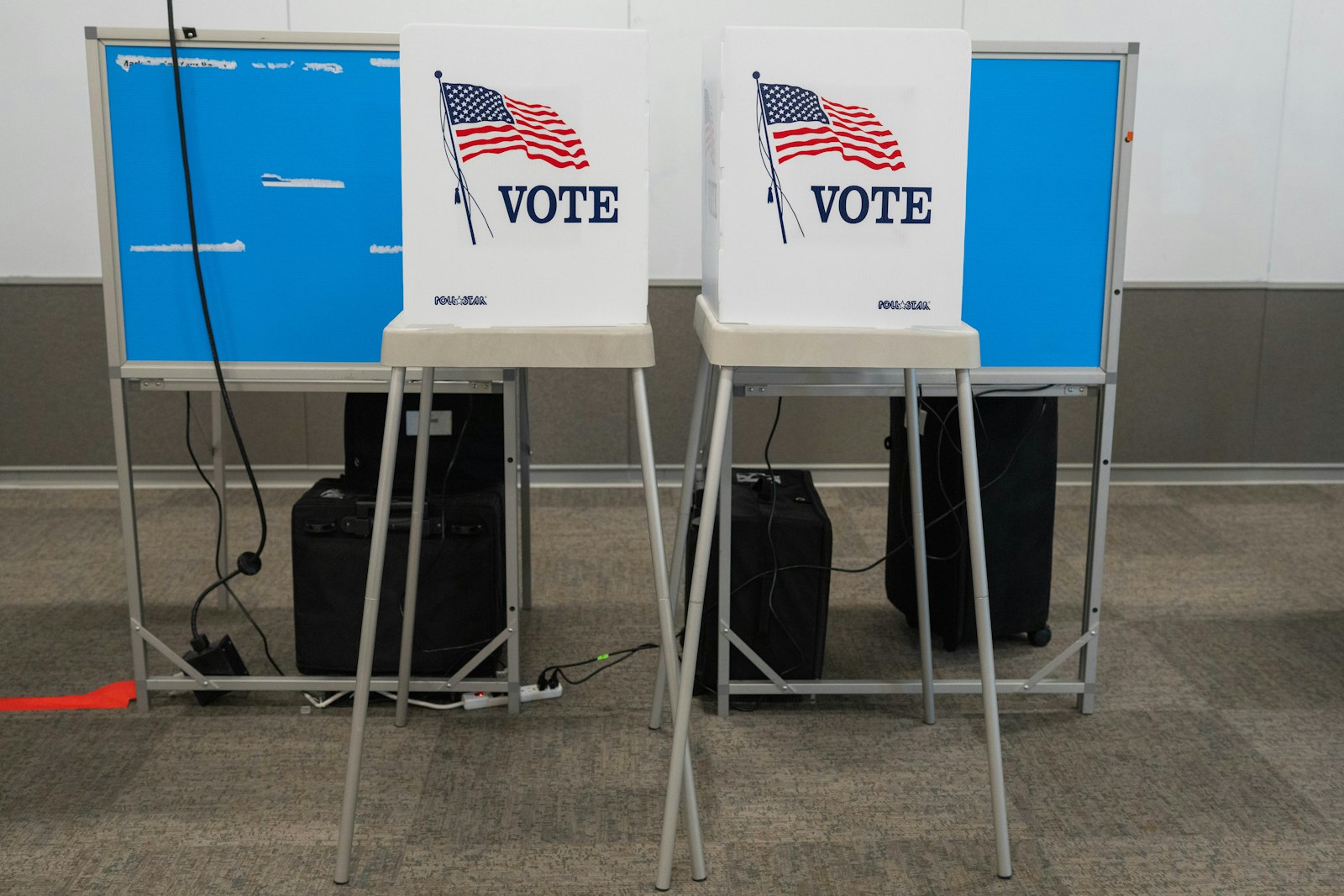
A count is a chain of custody
The official count is a different kind of process entirely. It is built for accountability, not speed. A typical sequence looks something like this:
- Ballot boxes are sealed at each polling station, with seal numbers recorded.
- Boxes travel to a counting centre, often with observers from multiple candidates.
- Seals are checked against records before anything is opened.
- Ballots are sorted, counted, and reconciled against the number of voters marked as having voted.
- Disputed ballots are set aside for a formal decision.
- Totals are signed off locally, then aggregated and certified.
Every step leaves a paper trail. Every step can be checked by someone who does not trust the person doing it. That is the point.
Where the time actually goes
In my experience reading counting reports, delays usually come from a handful of boring places:
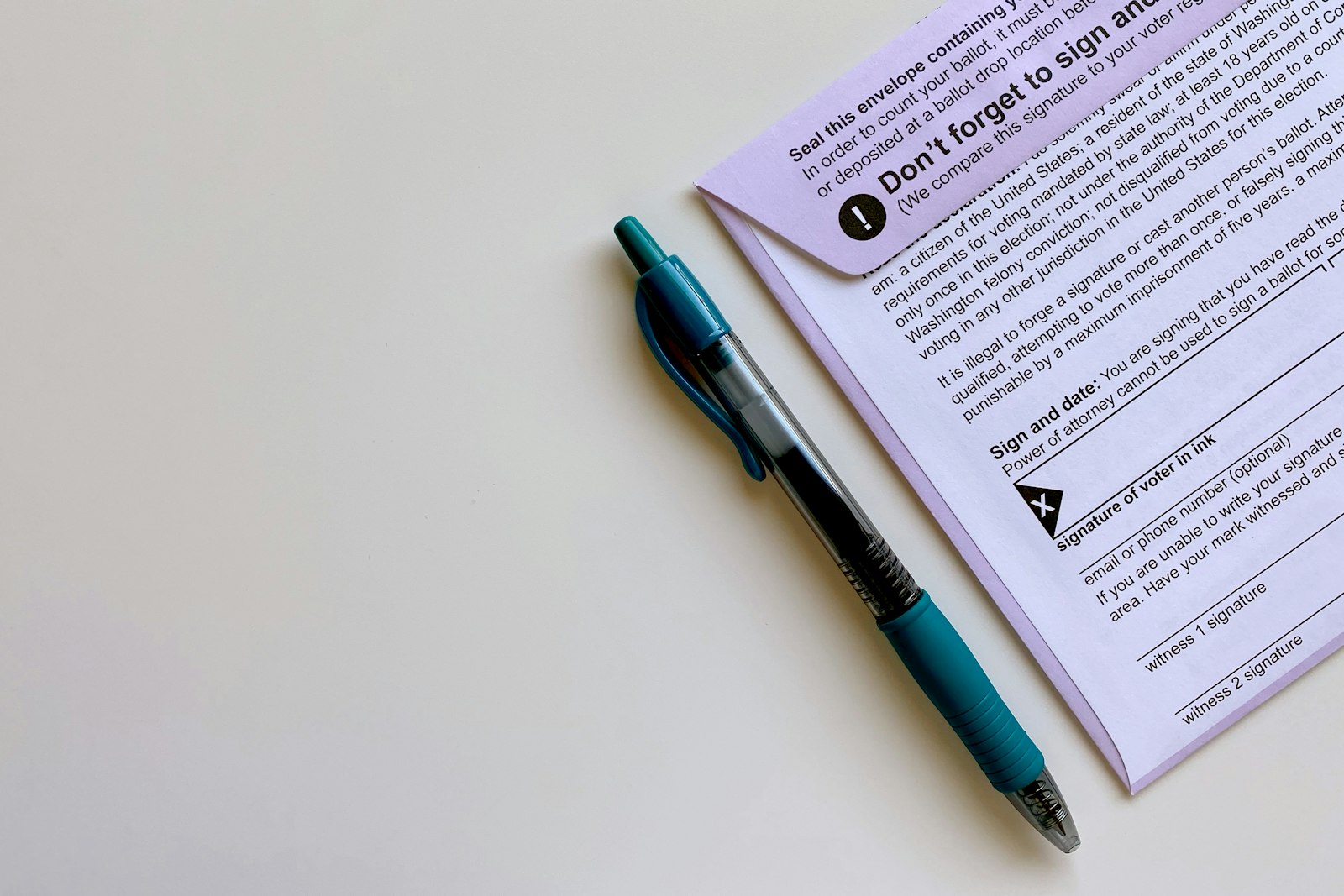
- Postal and early ballots, which often need signature or identity checks before they can be opened.
- Reconciliation mismatches, where a station reports 812 voters but 814 ballots. Someone has to find out why, even if the answer is two spoiled papers filed in the wrong envelope.
- Close margins, which trigger automatic recounts under many systems.
- Distance, in places where ballot boxes travel by road, boat or plane.
None of these are scandals. They are features.
The healthy way to watch a count
Fast results build excitement. Slow results build trust. A good system makes you wait for the second.
If you want to follow an election without getting swept into rumour, treat the projection as a weather forecast and the count as the actual temperature reading. Pay attention to what share of the expected vote has been counted, not just who is ahead. And remember that a lead changing as later ballots arrive is normal, because different kinds of ballots are counted at different stages and they do not all lean the same way.
Patience, in this case, is not naivety. It is how you let the safeguards finish their job.
Cover: Photo by Element5 Digital on Unsplash.