My Students Tried to Get a Stop Sign Installed. It Took Fourteen Months
A ninth-grade civics project turned into a lesson in traffic engineering, public comment and patience.

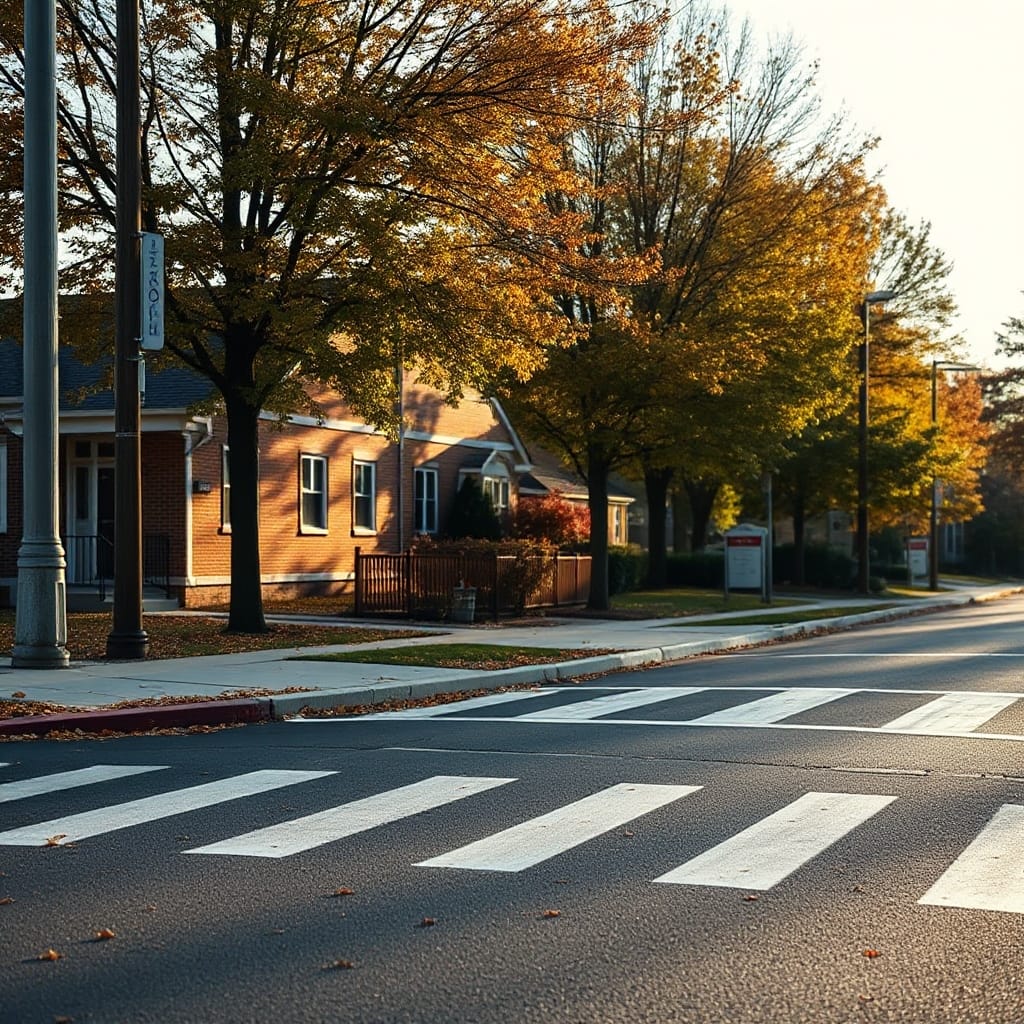
It started with a near miss. One of my ninth graders, a quiet kid named Jalen, was almost hit by a car on the corner two blocks from our school. The next day in class he asked a simple question: why is there no stop sign there?
I told the class we could find out. I assumed it would take a few weeks. It took fourteen months, two city meetings and a traffic study. It was the best civics unit I have ever taught.
Step one: find out who decides
The students first assumed the mayor decided where stop signs go. Then they guessed the police. After some phone calls they learned that in our city, traffic control on local streets is handled by the traffic engineering division within public works, and changes are ultimately approved through an ordinance or administrative process depending on the street type.
That alone was a lesson. Most residents, including me, had no idea who to call. The students made a flowchart and pinned it to the wall.

Step two: learn the rules engineers follow
The engineer they spoke with, a patient woman who had clearly answered this question many times, explained that stop signs are not placed on request. They follow a national manual of traffic control devices that lays out criteria called warrants. These include traffic volume on each street, crash history, and how well drivers can see approaching cars.
She also explained something the students did not expect: unnecessary stop signs can make streets less safe, because drivers who see them as pointless start rolling through them. That changed the conversation in class.

Step three: collect data
So the students did their own counts. In teams of three, before and after school, they sat on the corner with clipboards for two weeks. They counted cars, measured how far you could see around a parked truck, and recorded 31 instances of drivers not yielding to pedestrians.
They presented this at a city commission meeting during public comment. Each speaker had three minutes. Two students read their statements with shaking hands. A commissioner asked a good question about whether a crosswalk might help more than a sign.
The result
The city did a formal traffic study the following spring. The intersection did not fully meet the warrant for an all-way stop. Instead, it got a painted crosswalk, a curb extension that narrowed the road, and better signage. Speeds dropped, according to the follow-up counts.
Some students were disappointed. They wanted the stop sign. But Jalen said something I wrote down: "We didn't get what we asked for, but we got what the corner needed." That is a better definition of local government than anything in our textbook.
What I would tell other teachers
Pick a problem small enough to touch. Budget a full year. And let the students be surprised by how much expertise, data and slow process sits behind something as ordinary as a red octagon on a pole.