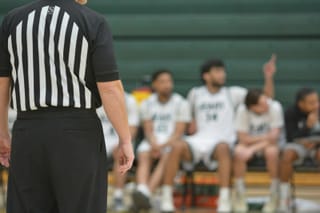
Coaching 12-Year-Olds Taught Me That Playing Time Is the Whole Game
In youth basketball, the minutes you give a kid matter more than any play you draw up.


My first season coaching rec league basketball, we went 9 and 2. I was proud of that. Then, at the end-of-season pizza party, one of my players, a skinny kid named Marcus who mostly sat on the bench, told his mom he was not signing up again.
I had won a lot of games with a team of ten twelve-year-olds by playing my best five most of the time. It took me about a week to understand what I had actually done.
Why minutes matter so much
At that age, the gap between the best and worst players on a team is mostly about development, not talent. Some kids hit puberty early. Some started playing at six. Some are just figuring out where their elbows are.
A player who sits for 26 of 32 minutes does not get better. He gets fewer touches, makes fewer mistakes to learn from, and slowly decides he is "not a basketball kid." Research on youth sports dropout keeps pointing in the same direction: kids quit when it stops being fun, and sitting on the bench is not fun.

The system I use now
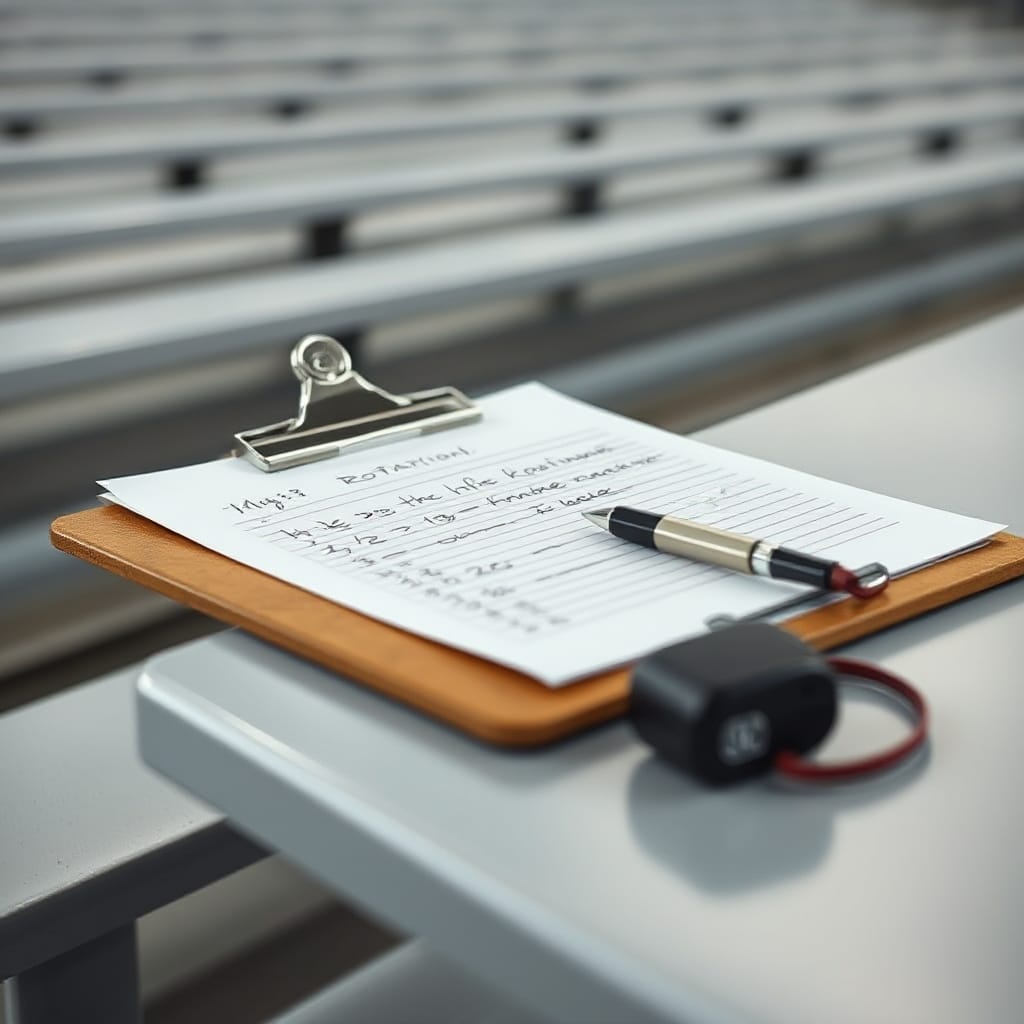
These days I run a simple rotation sheet. I divide each game into eight four-minute segments and make sure every player gets at least four of them, regardless of the score. I write the plan before the game, so I am not making emotional decisions in the fourth quarter.
The first season with this system we went 5 and 6. Two of my strongest players complained. One parent sent me a long email about "rewarding effort." I answered politely and stuck to the plan.
What happened next
Midway through that season, something shifted. The kids who had been sitting started taking shots in practice they used to pass up. A small guard named Tyrese, who had not scored in two seasons, hit a jumper in the second quarter of a close game. The bench exploded like we had won a championship.
By the end of the year our team was better than the one that went 9 and 2, because all ten players could actually play. We lost the league semifinal by three points. Every single kid signed up for the next season.
What I tell new coaches
- Decide on minutes before the game, not during it.
- Talk to parents at the first practice about how you split time, so nobody is surprised.
- Celebrate effort plays out loud: a charge taken, a hustle back on defense, a good pass that leads to a miss.
- Remember that you are coaching for the kid they will be at 16, not the score this Saturday.
Marcus, by the way, came back two years later as a seventh-grade player on someone else's team. He had grown four inches. When we played them, he scored eight points against us. I clapped for every basket.