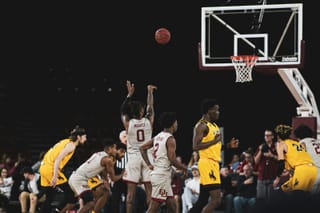
What Two Years on the Bench Taught Me That Starting Never Did
I was a recruited athlete who barely played. It turned out to be the most useful part of my college career.

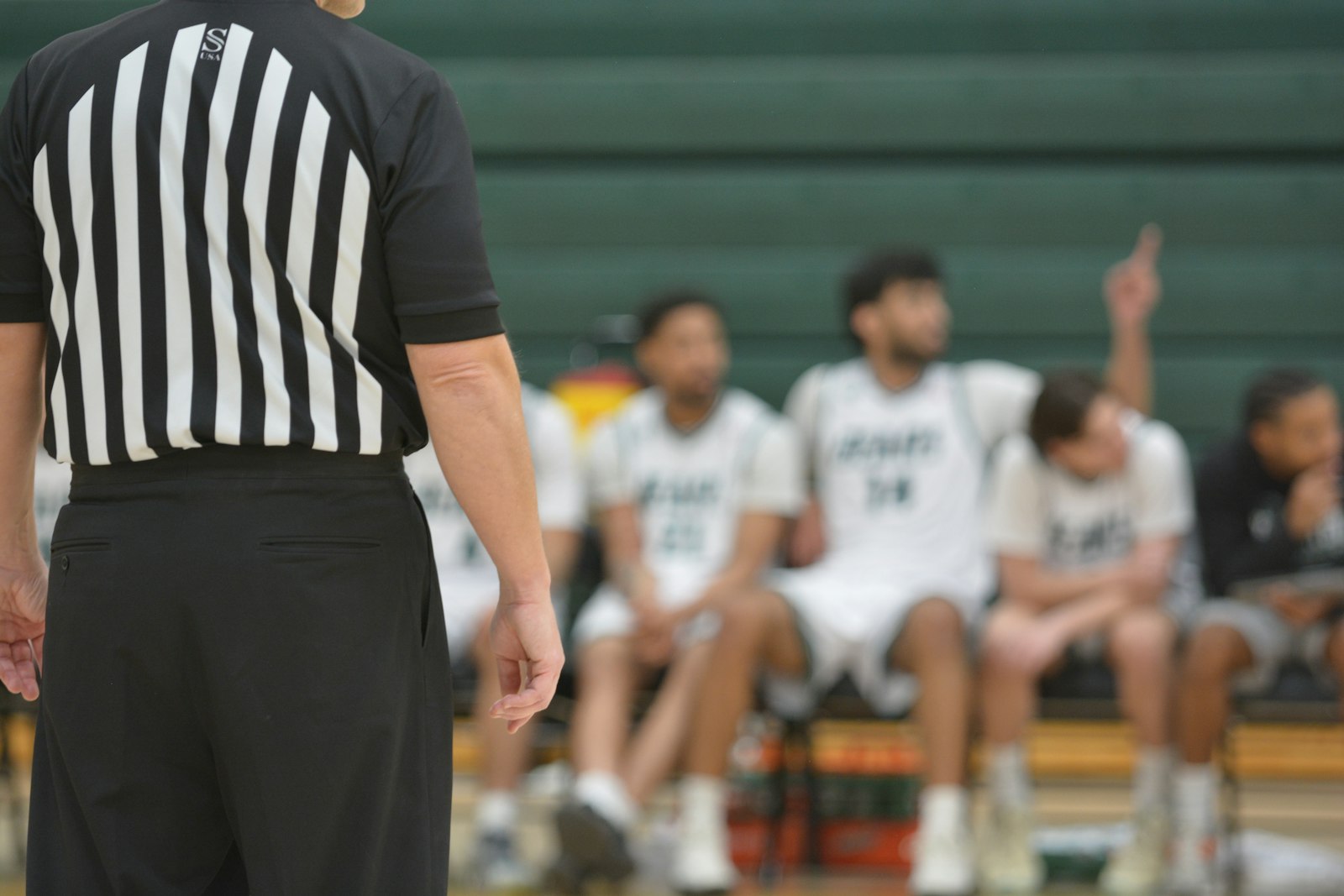
I arrived at college as a recruited guard with a highlight reel and a big ego. I left having started eleven games in four years. For a long time, I told that story as a disappointment. These days I tell it as the reason I'm any good at coaching.
Year one: sulking
My freshman year I did what most benched athletes do. I practised hard enough not to get yelled at and spent games calculating how many minutes I deserved. I blamed the coach's system, the senior ahead of me, the fact that our trainer liked the other guy. None of it was entirely untrue. None of it was useful.
My mother, who knew nothing about basketball, asked me on a phone call what I was learning from the bench. I told her nothing, because I wasn't playing. She said, 'You're the only one in the building with nothing else to do but watch. That sounds like a good seat.'
I hung up annoyed. She was right.
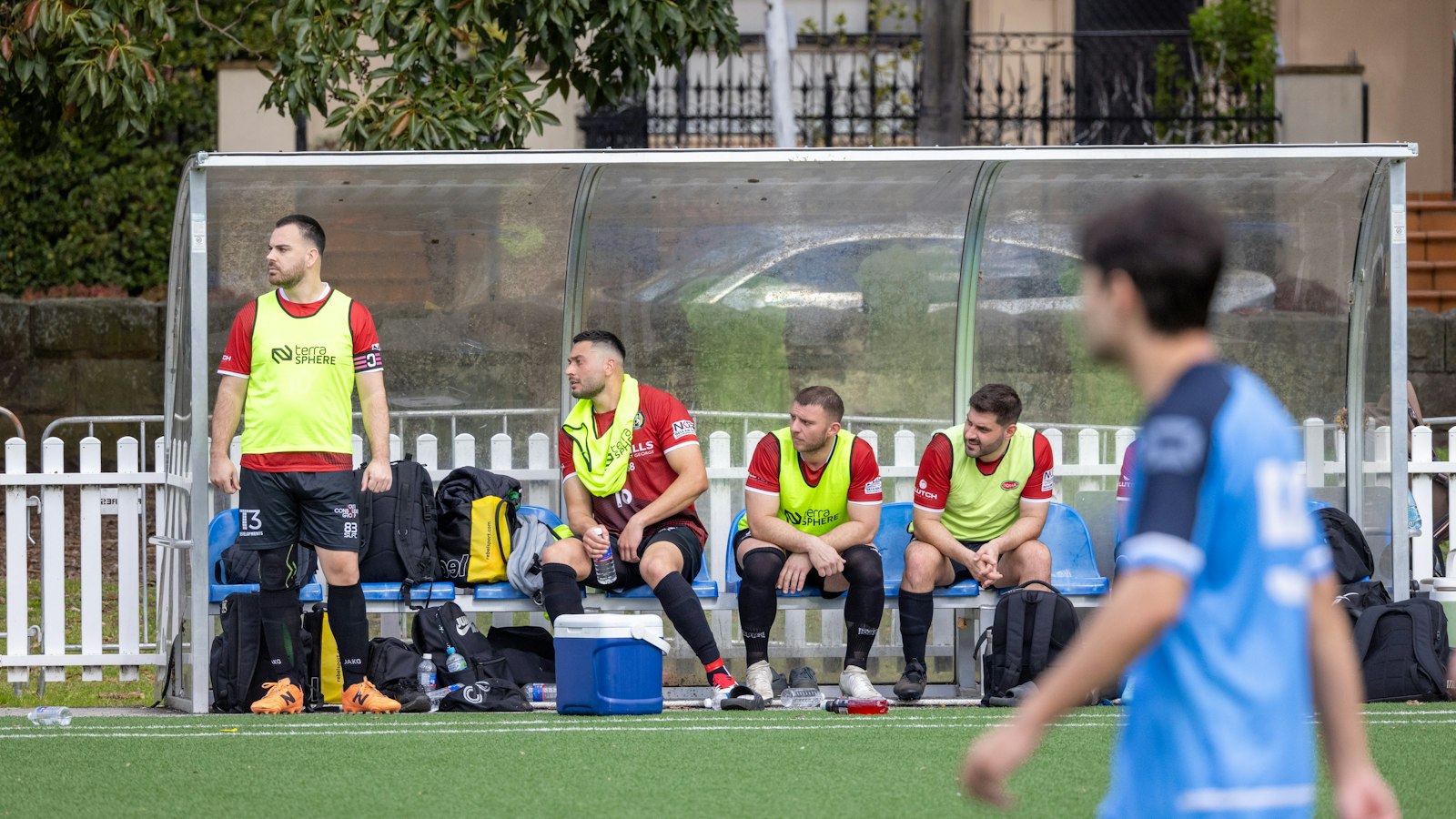
Year two: watching like a coach
I started keeping a small notebook on the bench. Not stats; the managers had those. I wrote down things I noticed:
- Which defenders gave up on a play after the first screen.
- How our coach's timeout talks changed when we were up versus down.
- Which teammates got quieter when they were tired, and which got louder.
By midseason, I could predict about half of our coach's substitutions before he made them. Once I told the assistant coach what I thought the other team would run out of a timeout. They ran it. He started sitting next to me.
What starters miss
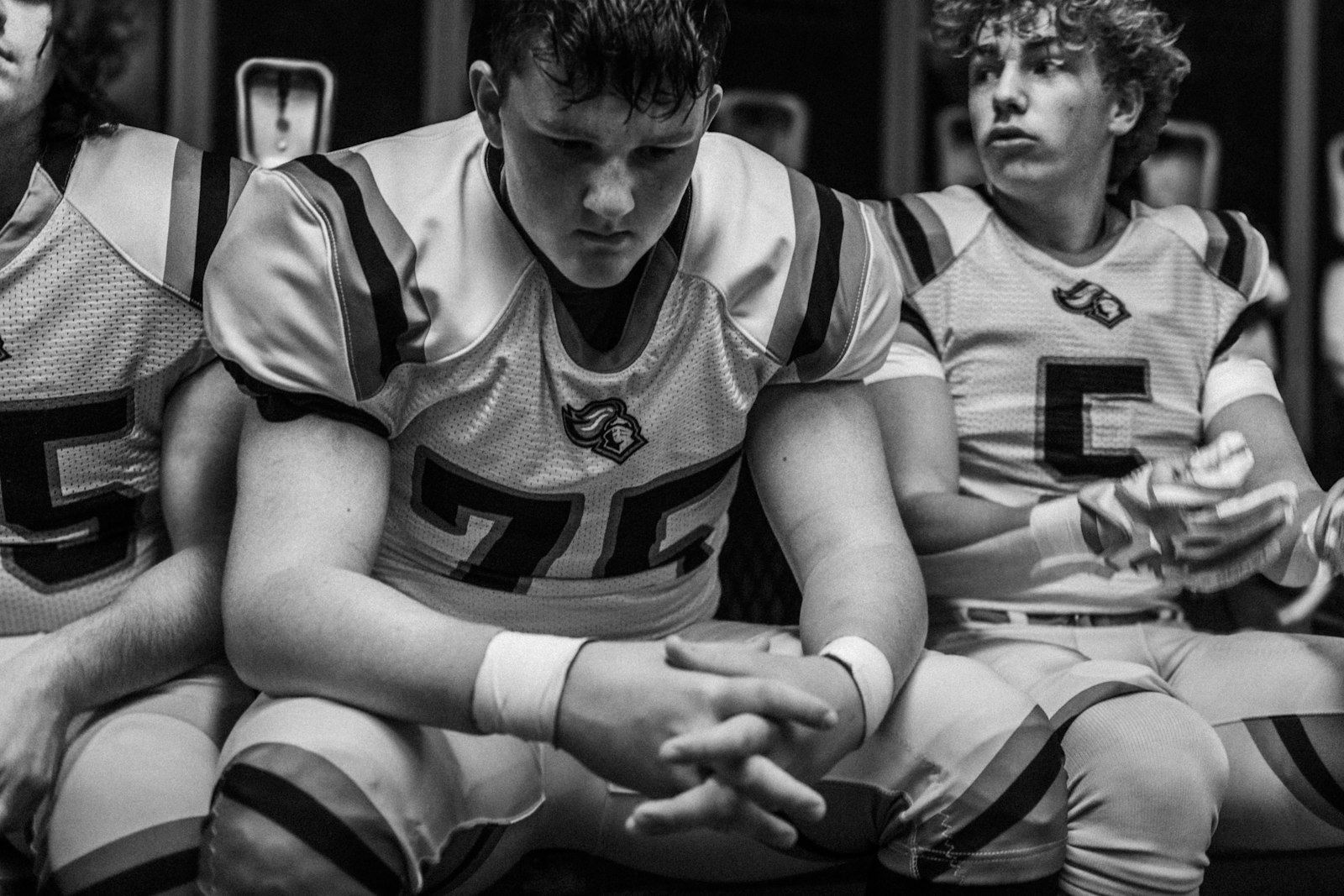
Starters are inside the game. They see the defender in front of them, the ball, the shot clock. The bench sees the whole floor at once, the patterns that only show up when you aren't being chased.
That perspective has been the foundation of my coaching. I know what a timeout feels like from the end of the bench. I know how a kid who hasn't played in three weeks hears the phrase 'stay ready'. I know that the guy who isn't playing is still watching you, deciding whether this team is worth caring about.
For anyone on a bench right now
It might be literal. It might be the job where you aren't getting the projects you want. Either way:
- Grieve for a week. It's allowed.
- Then pick up the notebook.
- Watch the people who are playing as if you'll have to teach their job one day.
You might. I did.
Cover: Photo by Lesli Whitecotton on Unsplash.