Night Orienteering Taught Me I Cannot Read a Map When My Heart Rate Is 170
Running through a bog with a headlamp is humbling, and it showed me how stress narrows the mind.

I signed up for my first night orienteering race because a colleague told me it was "like trail running but more interesting." That was true in the way that a car crash is more interesting than a commute.
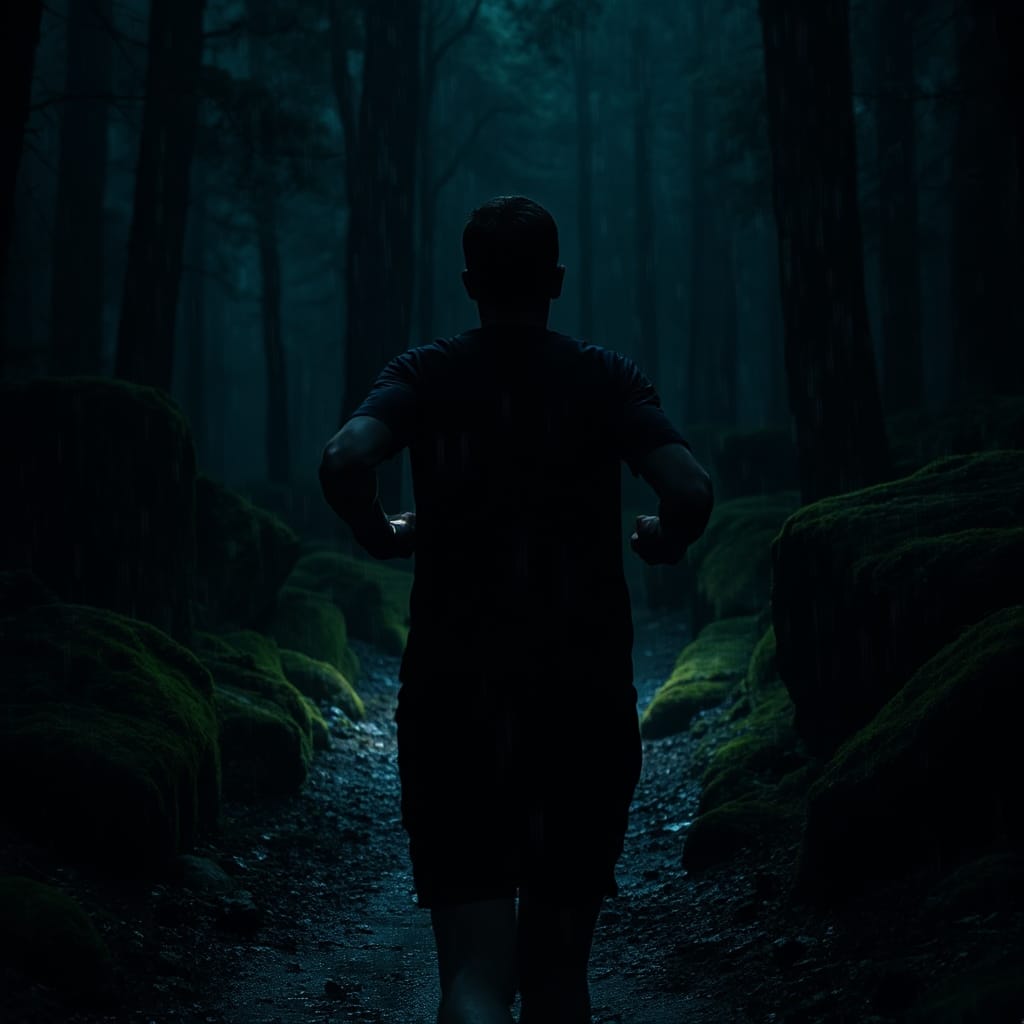
The event started at 20:30 in a forest outside the city. It was October, around four degrees, with light rain. I had a headlamp, a compass, a map at a scale of 1:10,000 and a list of 14 control points to find in order. The winner finished in 52 minutes. I finished in two hours and three minutes, wet to the knees.
The map is perfect, the runner is not
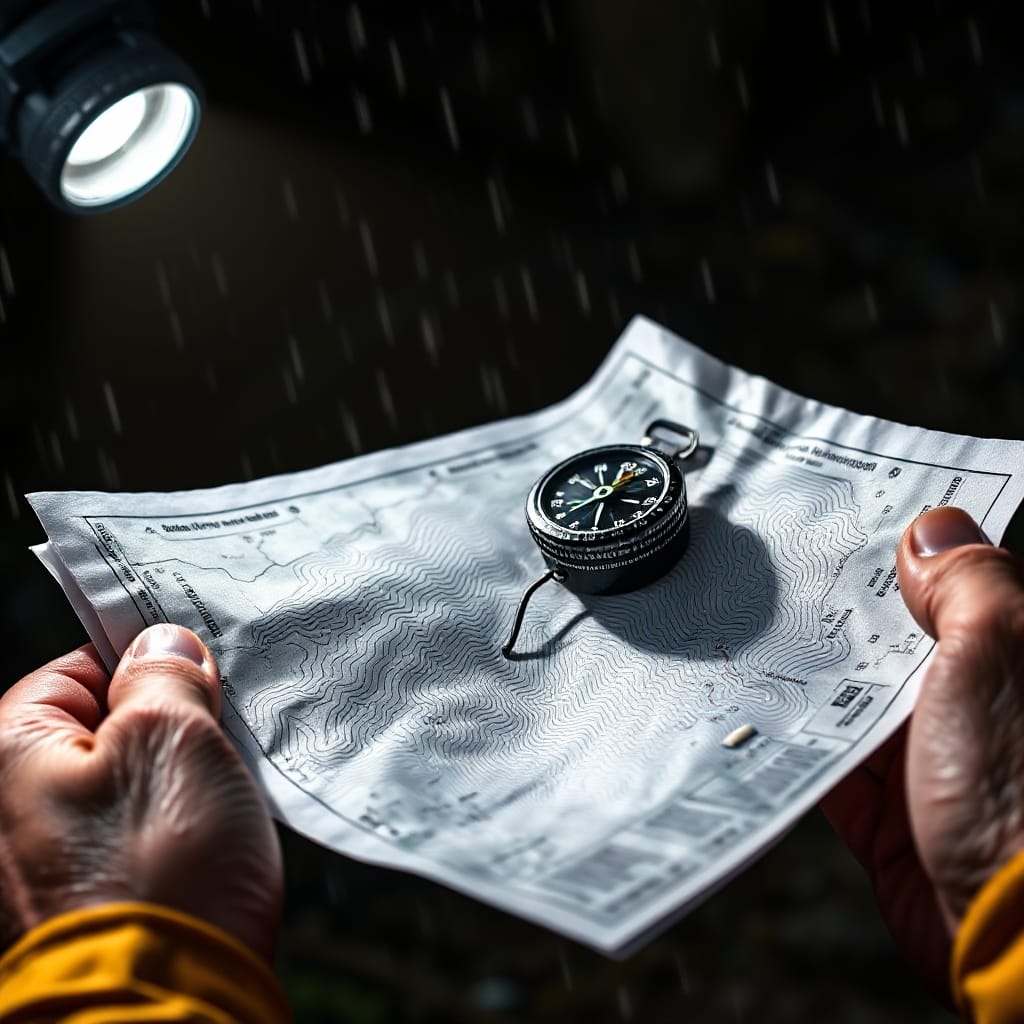
Orienteering maps are extraordinary objects. They show every boulder taller than a metre, every small cliff, every marshy patch and the density of the vegetation. In daylight, a skilled runner reads them the way you read a familiar street.
At night your world shrinks to the circle of your headlamp, roughly eight to ten metres. You cannot see the hill on the other side of the valley that would tell you where you are. You have to count paces, follow your compass bearing and trust contour lines.
My problem was that I kept running too fast. I would leave a control at full speed, feel strong, and then realise four minutes later that I had no idea where I was. The fourth control took me 23 minutes. It was 300 metres from the third.
Why stress makes you stupid
As a physiotherapist I knew in theory that high physical stress narrows attention. In a forest at night I experienced it directly. Above roughly 165 beats per minute I could not hold a bearing and a pace count in my head at the same time. I would look at the map, look at the forest, and the two would refuse to match.
Experienced orienteers deal with this by slowing down before every control. They call it "attack point" navigation: run fast to a big, obvious feature like a path junction or a lake corner, then walk or jog carefully the last 100 metres.
What finally worked
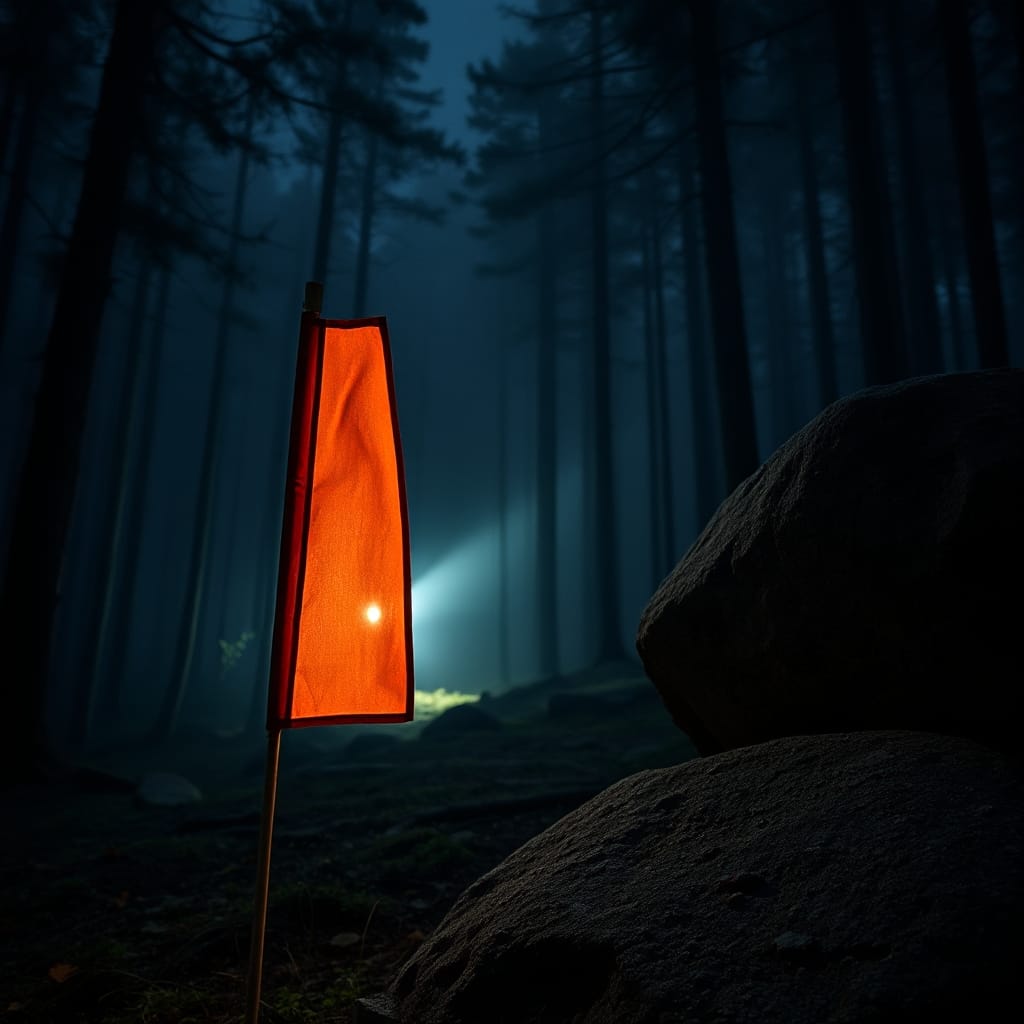
Around control nine I gave up on speed. I walked, I counted my paces, I checked the compass every 30 metres. Suddenly the controls started appearing, small orange-and-white flags glowing in my light. My last five controls took less time than my first four.
Why I keep going back
I have done six night races since that first one. My best time is still more than double the winner's. But it has become one of my favourite ways to train, because it forces my brain to work while my body is tired. It is also wonderful to be in a dark forest with a few hundred other small lights bobbing between the trees, everyone silently lost in their own way.