The Ski Wax Room Is Secretly a Chemistry Lab
Why skis glide at all, why some days they do not, and why the old miracle waxes were banned.

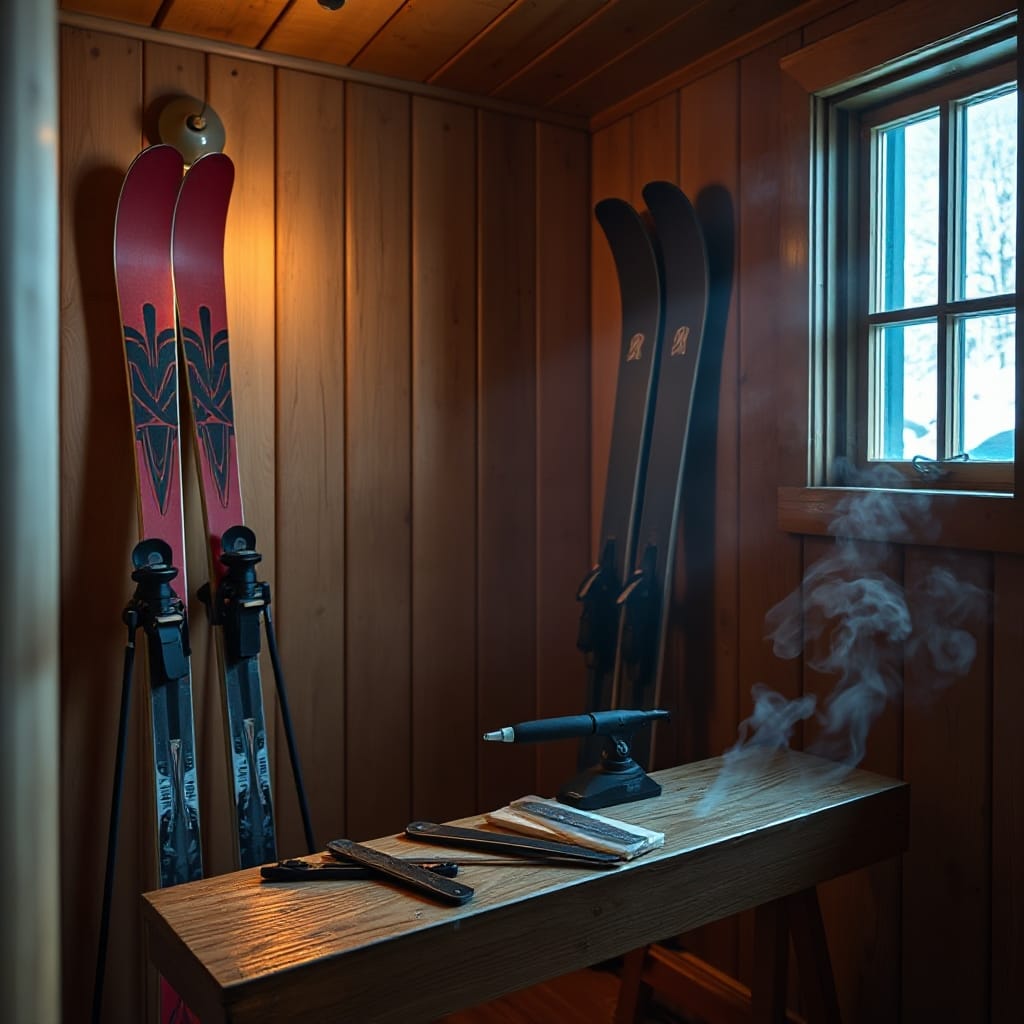
The wax room at our club is a narrow shed with a bench, three irons and a smell that I can only describe as candle factory meets chemistry class. On race mornings it is full of people arguing about temperatures and humidity like weather forecasters.
For a long time I thought this was mostly superstition. Then I started reading the physics of snow friction, and I realised the arguments were about something real.
Why skis glide on snow
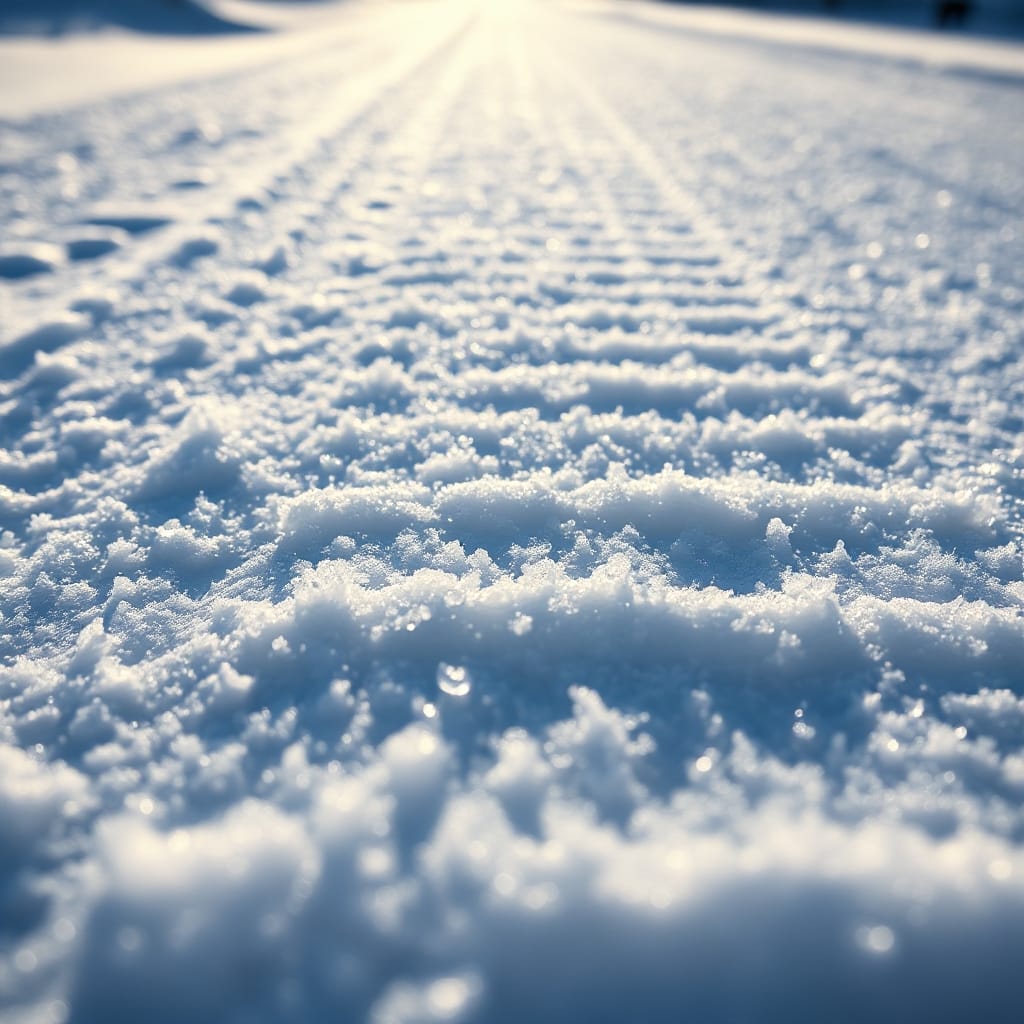
A ski does not glide on solid ice. It glides on an extremely thin film of liquid water created by friction. As the base slides over snow crystals, the contact points heat up and a tiny layer of meltwater forms, often only nanometres to micrometres thick. That film acts as a lubricant.
The trick is that you want the right amount of water. Too little and the snow crystals scrape against the base like sandpaper; this happens on very cold days, when snow feels "slow" and almost squeaky. Too much and the ski starts to suck onto the wet surface through capillary forces, like a glass stuck to a wet table. This is why skis feel sticky on spring snow at plus two degrees.
What wax actually does
Glide wax is mostly paraffin, a mixture of hydrocarbons. Waxes for cold snow are harder, so the sharp, cold crystals do not dig into the base. Waxes for warm snow are softer and more water-repellent, so the base sheds the excess water instead of being glued to it.
The base itself matters too. Ski bases are made of polyethylene with a fine pattern pressed into them, called structure. A coarser structure breaks up the water film on wet days, while a fine structure suits cold, dry snow.
The fluorine story
For decades, the fastest waxes contained fluorinated compounds. They were extremely water-repellent and, on wet snow, could make a dramatic difference. They also belong to a family of chemicals known as PFAS, which break down extremely slowly in nature and can accumulate in living things.
Researchers found these compounds in soil near ski venues, and wax technicians who inhaled the fumes for years had elevated levels in their blood. International ski competitions have since banned fluorinated waxes, and our club removed them from the wax room. Some members grumbled. On wet days we are a little slower now. It is a trade I am happy with.
What I actually do on a race morning
- Check the snow temperature, not just the air temperature, by pushing a thermometer into the track.
- Pick a wax for that range and iron it in at the temperature the manufacturer recommends, because overheating damages the base.
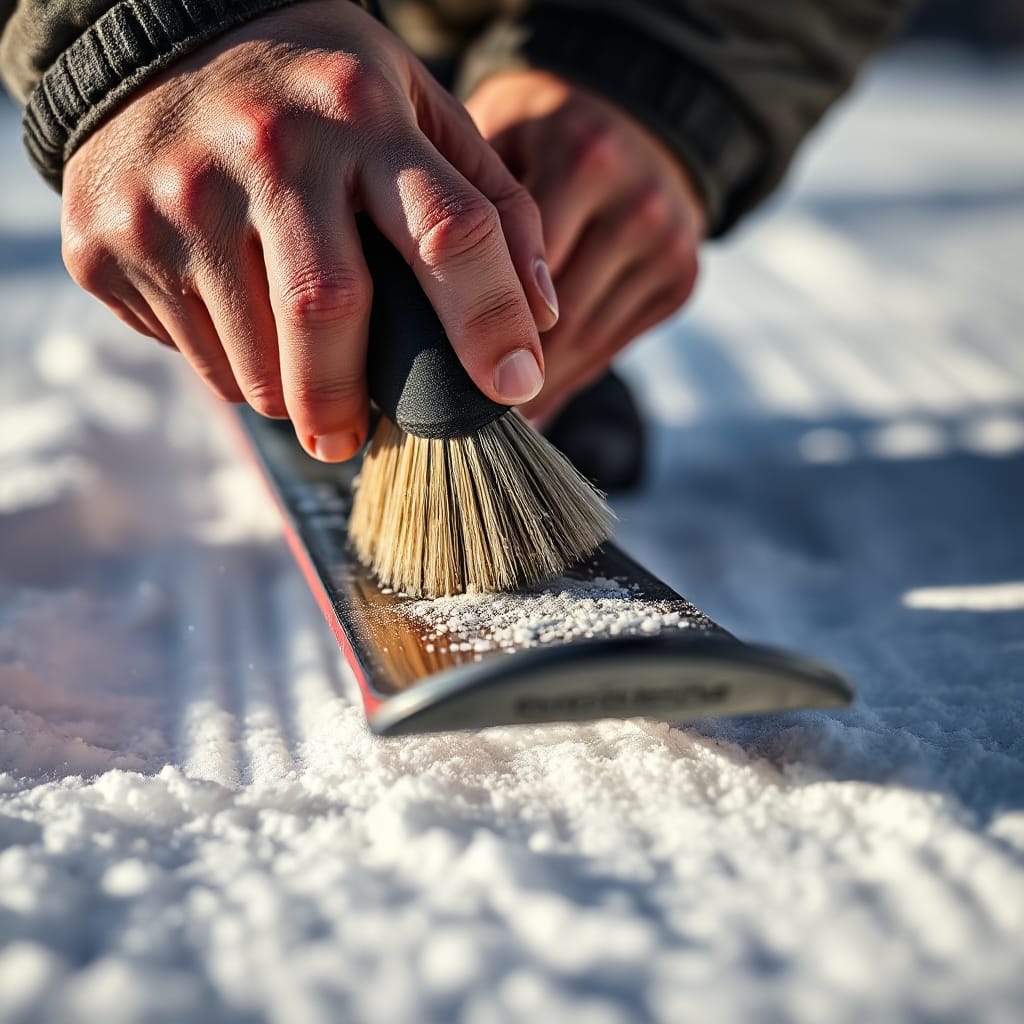
- Scrape and brush thoroughly. Most of the wax should come off; what matters is what stays inside the base.
The shed still smells like candles. But now I know that every argument in there is, at its heart, an argument about how much water lives between a ski and the snow.