Five Things Years in a Lab Taught Me About Reading Science Headlines
Behind every 'breakthrough' headline is a study with a size, a design and limits. Here is how I read past the excitement.


Before I started writing about science, I spent nine years doing it: pipetting, counting cells, and mostly watching experiments not work. That experience changed how I read science news. When I see a headline promising that a common food cures something or that a discovery will change everything, I now ask a short set of questions automatically.
Here are the five that matter most.
1. Was it in people, animals or a dish?
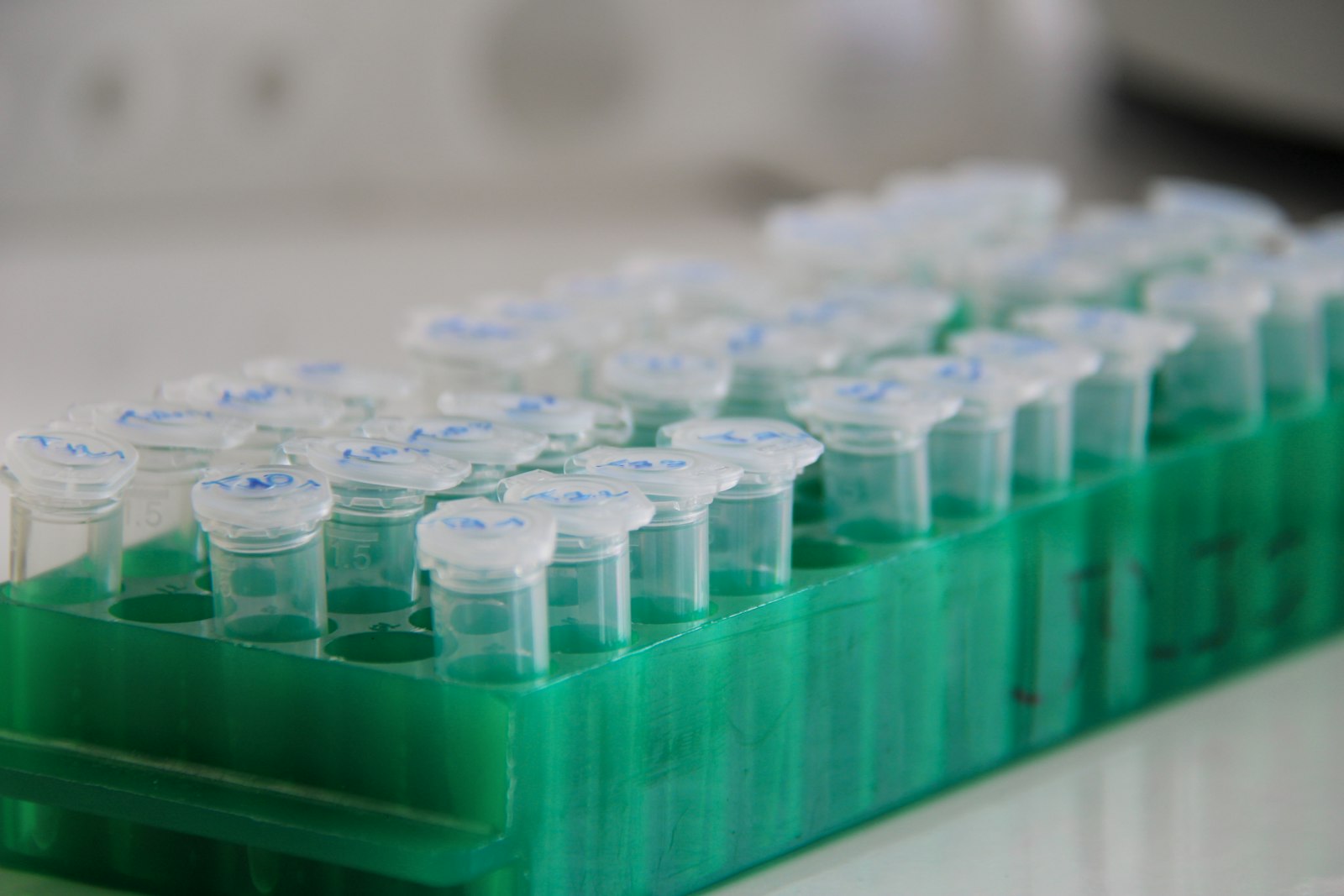
An enormous number of exciting headlines are based on studies of cells grown in the lab or of mice. These studies are essential. They are how research begins. But many treatments that work in a dish or a mouse never work in humans. I once spent eight months on a compound that killed cancer cells beautifully on plastic plates and did nothing useful in a living animal.
If a headline does not mention people, assume it was not about people.
2. How many participants were there?
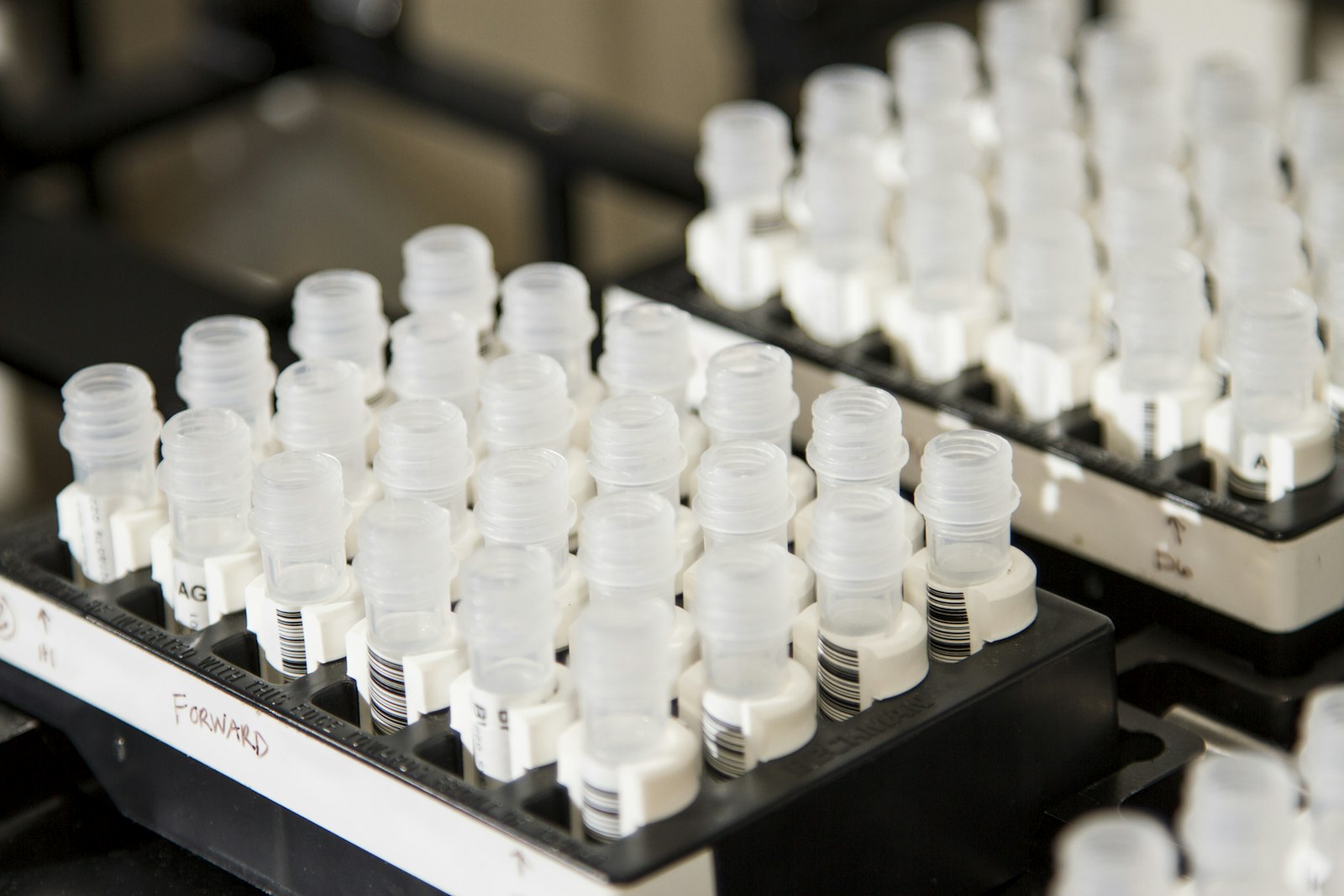
Small studies are not worthless, but they are fragile. A trial of 20 people can produce a striking result by chance. A result that holds up in thousands of participants, ideally across several studies, is much more trustworthy.
3. Was it an experiment or an observation?
There is a big difference between these two designs:
- In a randomised controlled trial, researchers assign people to different groups, so differences in outcome are more likely to be caused by the intervention.
- In an observational study, researchers look at what people already do. Coffee drinkers might live longer, but they might also differ in income, health or habits.
Observational studies are valuable for spotting patterns. They usually cannot prove cause and effect on their own.
4. How big was the effect, really?
Headlines love relative risk. Doubles your risk sounds alarming. But doubling a risk from 1 in 10,000 to 2 in 10,000 is a very different story from doubling it from 10 percent to 20 percent. I always look for the absolute numbers.
5. Does it fit with other evidence?
Science moves by accumulation, not single dramatic studies. A result that contradicts decades of well-replicated findings is not impossible, but it needs strong support. Usually the most accurate response to one surprising study is interesting, let us see if it replicates.
A quick habit for everyday reading
When a health headline catches your eye, try asking:
- Who or what was studied?
- How many?
- Was it an experiment?
- What are the absolute numbers?
- What do other studies say?
You will not always find the answers in a news article, but even noticing their absence is useful.
Why this is not cynicism
None of this means scientists are untrustworthy. Most researchers are careful about the limits of their work. The distortion usually happens in translation, as findings move from a cautious paper to a press release to a headline. Reading carefully is simply a way of meeting the science where it actually is.
Cover: Photo by Vedrana Filipović on Unsplash.