Tardigrades Survive Almost Everything. Here Is What Actually Kills Them
Water bears have a near-mythical reputation. The real biology is more interesting than the myth, and it has clear limits.

Tardigrades are having a long moment of internet fame. These tiny animals, usually less than a millimetre long, get described as indestructible, as able to survive anything from outer space to nuclear war. I understand the appeal. They are genuinely remarkable. But as someone who has watched them through a microscope, I think the true story deserves telling more carefully.
What tardigrades are
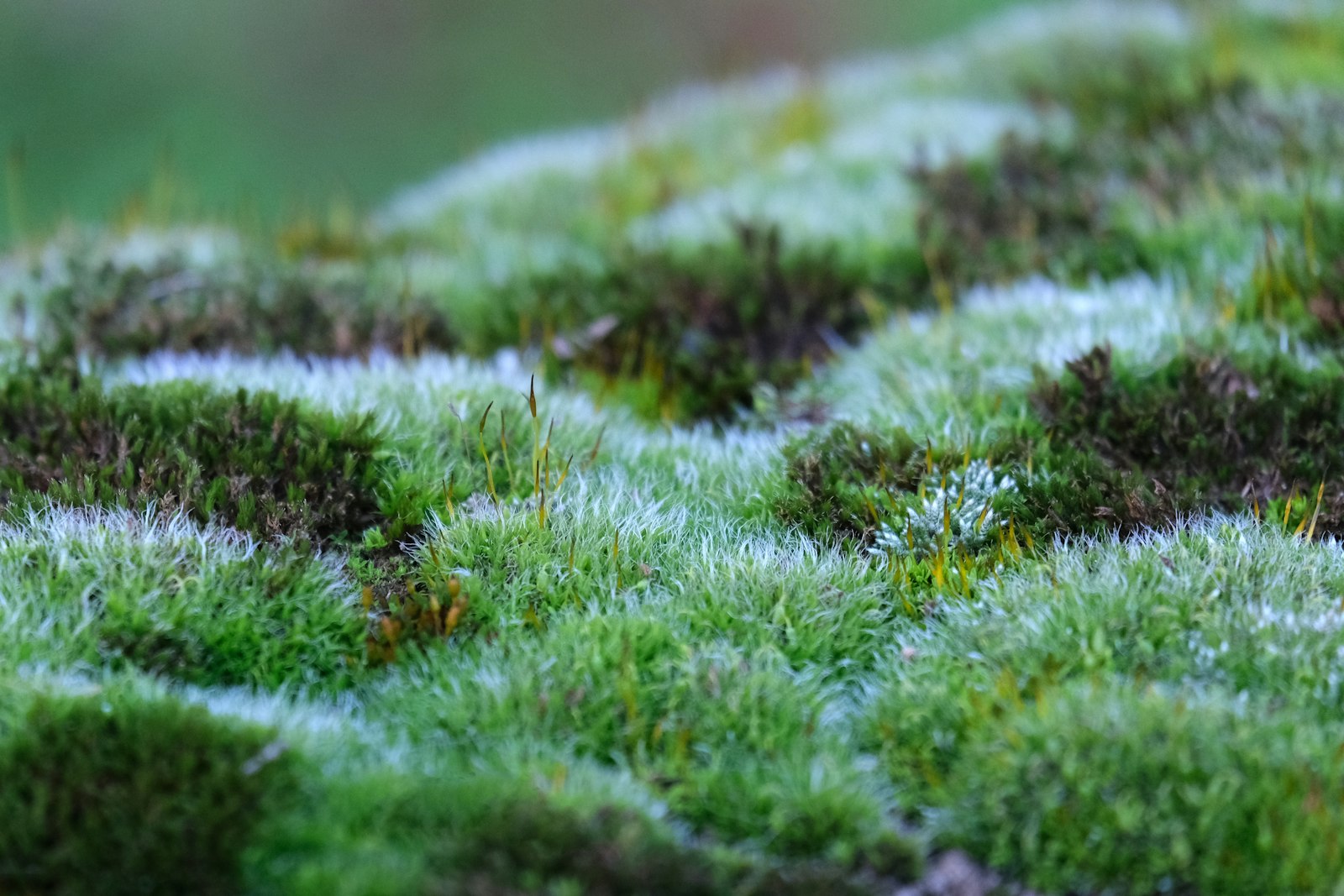
Tardigrades, often called water bears, are microscopic animals with eight stubby legs ending in claws. More than 1,000 species have been described. They live almost everywhere there is at least occasional moisture: in moss, lichen, leaf litter, soil, freshwater sediments and the ocean.
The trick that made them famous is not something they do while active. It is what happens when their environment dries out.
The tun state
When many species of tardigrade lose water, they curl up, retract their legs and enter a state called a tun. Their metabolism slows to an almost undetectable level, a condition known as cryptobiosis. In this state some species have tolerated:
- extreme cold close to absolute zero in laboratory experiments,
- doses of radiation far beyond what would kill a human,
- exposure to the vacuum of space during a 2007 orbital experiment, where some survived and later reproduced.
Researchers have identified several molecular tools behind this. Some species make protective proteins that appear to form gel-like structures as the cells dry, helping preserve cellular components. One species produces a protein nicknamed Dsup that associates with DNA and appears to reduce radiation damage. Some species also accumulate a sugar called trehalose, though not all rely on it.
What actually kills them
Here is where the myth falls apart.
- Being active. An active, hydrated tardigrade is much more vulnerable. Most of the famous survival feats apply to the dried tun state, not the animal going about its day.
- Sustained heat. Studies have found that active tardigrades of at least one species are harmed by prolonged exposure to temperatures not far above what they experience in nature. Even tuns have limits with long heat exposure.
- Hard impacts. In one experiment, tuns fired from a gun survived impacts up to a certain speed, but above that they did not.
- Time. Revival after many years in the dry state is possible but becomes less reliable the longer they stay dormant.
Why they matter
Tardigrades are more than a curiosity. Understanding how their proteins protect cells during drying could eventually help scientists store vaccines and other biological materials without refrigeration. Work in that direction is ongoing.
The real lesson
Tardigrades are not invincible. They are specialists in waiting out bad conditions. That is a subtler and, to me, more beautiful kind of toughness: not resisting every threat, but knowing how to pause until the world becomes livable again.
Cover: Photo by Konrad Koller on Unsplash.