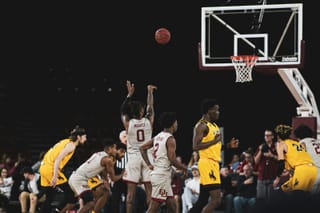
Why My Varsity Players Clean the Locker Room Before They Shower
Picking up tape and towels isn't punishment. It's the cheapest culture-building drill I know.

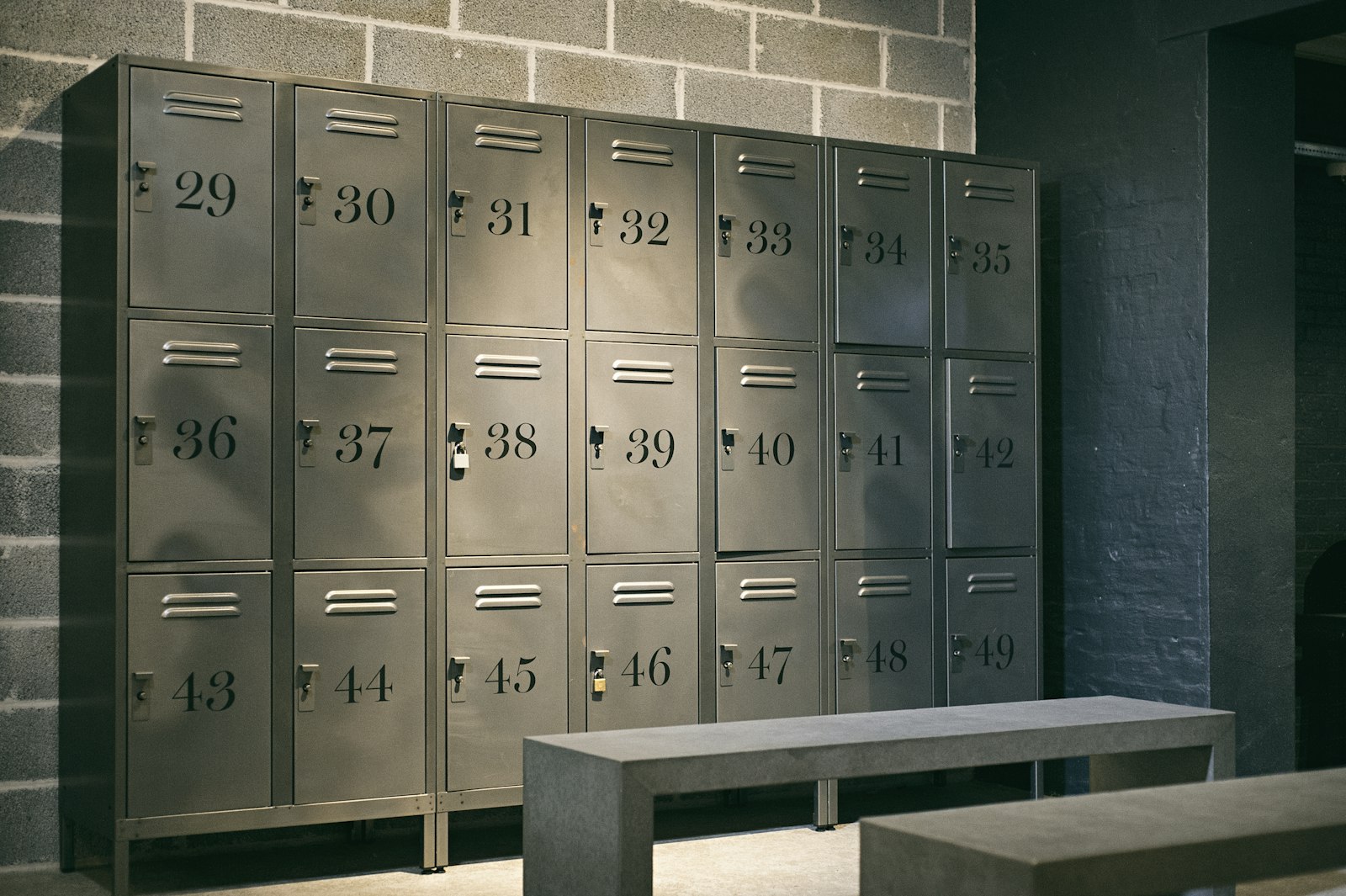
The first week I took over as head coach, I walked into our locker room after practice and counted. Fourteen water bottles on the floor. Two balls of used ankle tape stuck to the bench. A towel hanging off the ceiling vent, which I still cannot explain.
The next day I introduced one rule: nobody showers until the room is clean. Not me, not the captains, not the kid who scored twenty-two.
The grumbling phase
The first two weeks were rough. Players argued that the janitorial staff got paid for this. One of my seniors told me, politely, that it felt like a punishment for something they hadn't done.
I understood that. So I explained the reasoning once, clearly, and then I stopped explaining and started doing it with them. I picked up bottles. I peeled tape off the bench. The head coach on his knees scraping athletic tape is a strange enough sight that it ended most of the arguments.
What the drill actually trains
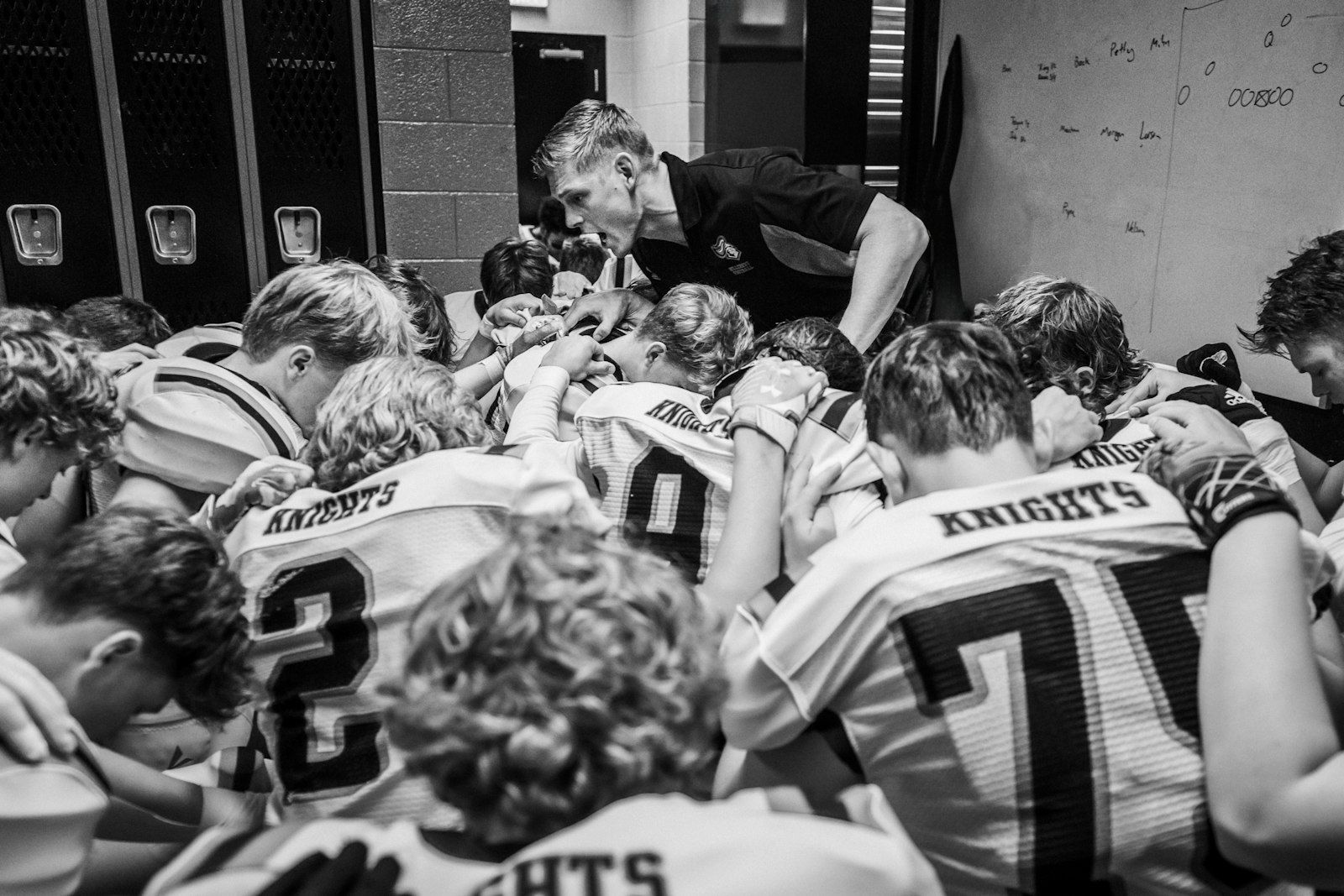
I call it a drill on purpose, because it trains the same things our basketball drills do:
- Seeing the floor. A good point guard notices where everyone is. A good teammate notices the bottle nobody claimed.
- Finishing possessions. Practice doesn't end at the whistle. It ends when the work is done.
- Shared ownership. If the room is everyone's job, a mess is everyone's problem, including the star's.
That last one matters most. On a team, the fastest way to rot culture is a hierarchy of who has to do the boring stuff. Freshmen fetch, seniors relax, stars are exempt. Kids absorb that hierarchy and bring it onto the court, where it shows up as who gets blamed for a turnover.
The moment it clicked
About five weeks in, we lost a close game on the road. Long bus ride, everyone miserable. When we got back to school at 11 p.m., I told them to go straight home and skip the clean-up.
They cleaned it anyway. Nobody said anything. Our starting centre, six foot seven and not much of a talker, just started collecting towels and everyone followed.
That was the night I knew the rule had stopped being mine.
Small rituals, big signals
I've coached at three schools now, and the locker-room rule has gone with me each time. It costs nothing. It takes six minutes. And it tells every player, every single day, that nobody here is above the work.
You can't run that lesson as a speech. You have to run it as a rep. Then you run it again tomorrow.
Cover: Photo by Jan Laugesen on Unsplash.