The Pickup Game at the Rec Center Has Rules Nobody Ever Wrote Down
Calling your own fouls, winners stay on, and the quiet politics of who gets picked.


Every Tuesday and Thursday at 6 a.m., about fifteen men and two women meet at the recreation center on the east side of town to play pickup basketball. The youngest is 22. The oldest is 67 and still has the best hook shot in the building. I have been coming for nine years.
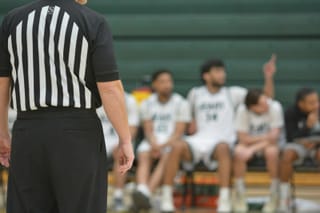
There is no league, no referee, no sign-up sheet. And yet the game runs with remarkable order. That is because of a set of rules that exist only in people's heads.
Winners stay on
The first rule everyone learns is that the winning team stays on the court and the next five in line challenge them. Games go to 11, by ones and twos, and you have to win by two. If there are more than ten players, the people waiting call "next" and form their own team.
This sounds simple, but it shapes everything. Strong teams can hold the court for an hour, so people waiting try to stack their team. On the other hand, a team that has just won three games in a row is tired, which gives the challengers a fair shot.

You call your own fouls
Without a referee, the player who was fouled calls it. The defender can dispute it, but the norm at our gym is that you accept the call unless it is truly ridiculous. Arguing too much gets you a reputation, and a reputation is the worst thing you can have at a pickup game, because people stop picking you.
There is a delicate balance here. Call too many fouls and you are "soft." Never call fouls and you get beaten up under the basket. Most regulars call a foul only when it changes the shot.

The quiet politics of picking teams
When there is a shortage of players, the first two people to arrive pick teams. Over the years, I have watched how this works. People pick friends, they pick the tall guy, and they pick the 67-year-old because everyone knows he will make his free shots.
New people often get picked last for a few weeks. The way you move up is not by scoring, but by passing, defending and not complaining. I have seen talented players fade away because they never adjusted to that.
What it means to the people who play
- For some of us it is the only exercise we get all week.
- For others it is the main social contact outside work and family.
- For a few, it is a way through a hard time. One regular kept coming every week through his divorce and later said the 6 a.m. game was what kept him steady.
Why I keep showing up
Last month a young guy, new in town, showed up and asked who was in charge. Nobody answered at first. Then the 67-year-old said, "You've got next with me." That is the whole system, really. Someone always makes room.