We Stopped Running Webinars and Started Hosting Small Dinners
Twelve people around a table outperformed four hundred people on a webinar, and the math surprised even our CFO.

For two years our main lead generation engine was a monthly webinar. We would pick a topic, line up a guest, promote it for three weeks, and get somewhere between 300 and 450 registrations. About a third would show up live. Most of them had their cameras off and, I suspect, a second tab open.
Last year we tried something that felt almost old-fashioned. We started hosting small dinners for clinic owners in a handful of cities, twelve people at a time, no slides, no pitch. I want to share what happened, because the results changed how I think about marketing budgets.
How the dinners work
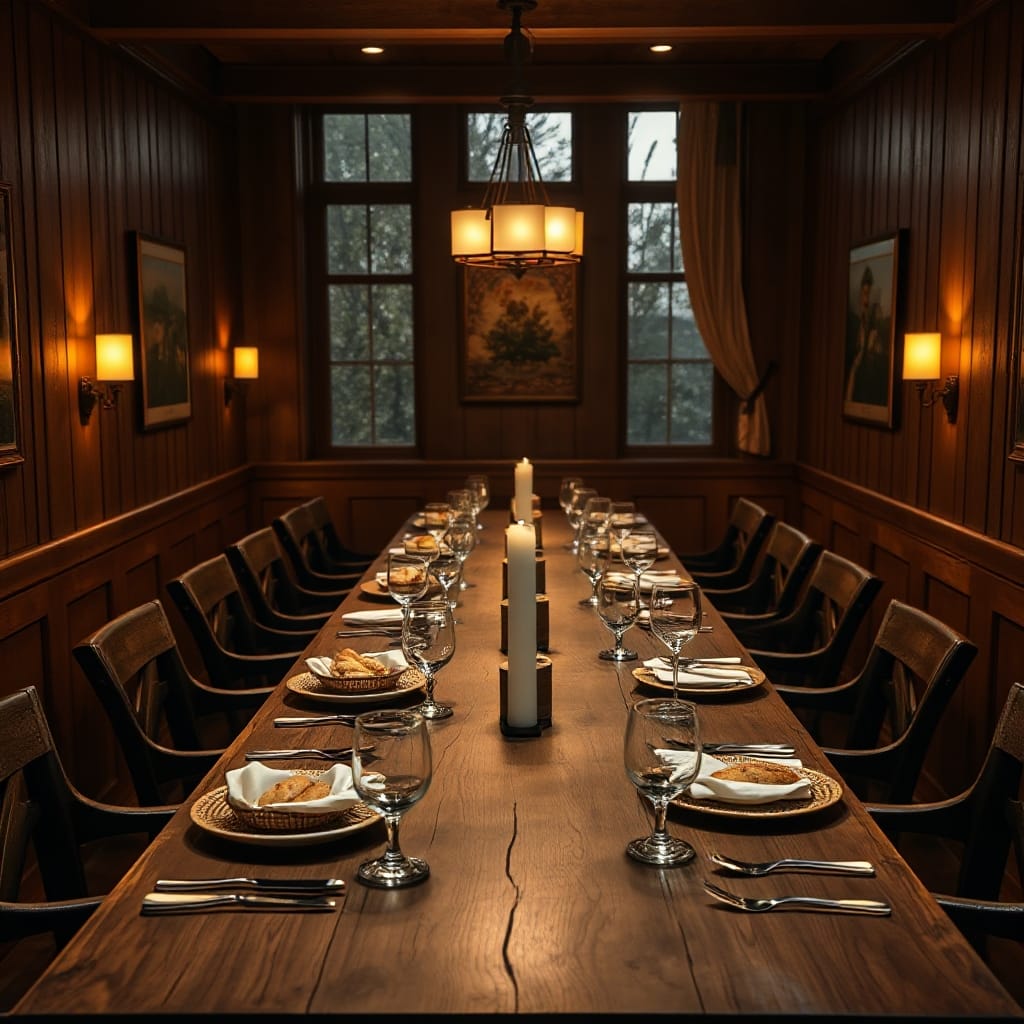
We pick a city where we already have a few customers. We ask two of them to co-host, which mostly means they help us invite people and they sit at the table. We book a private room at a mid-priced restaurant, the kind of place with good bread and no white tablecloths. Each dinner costs us around $1,800 including travel.
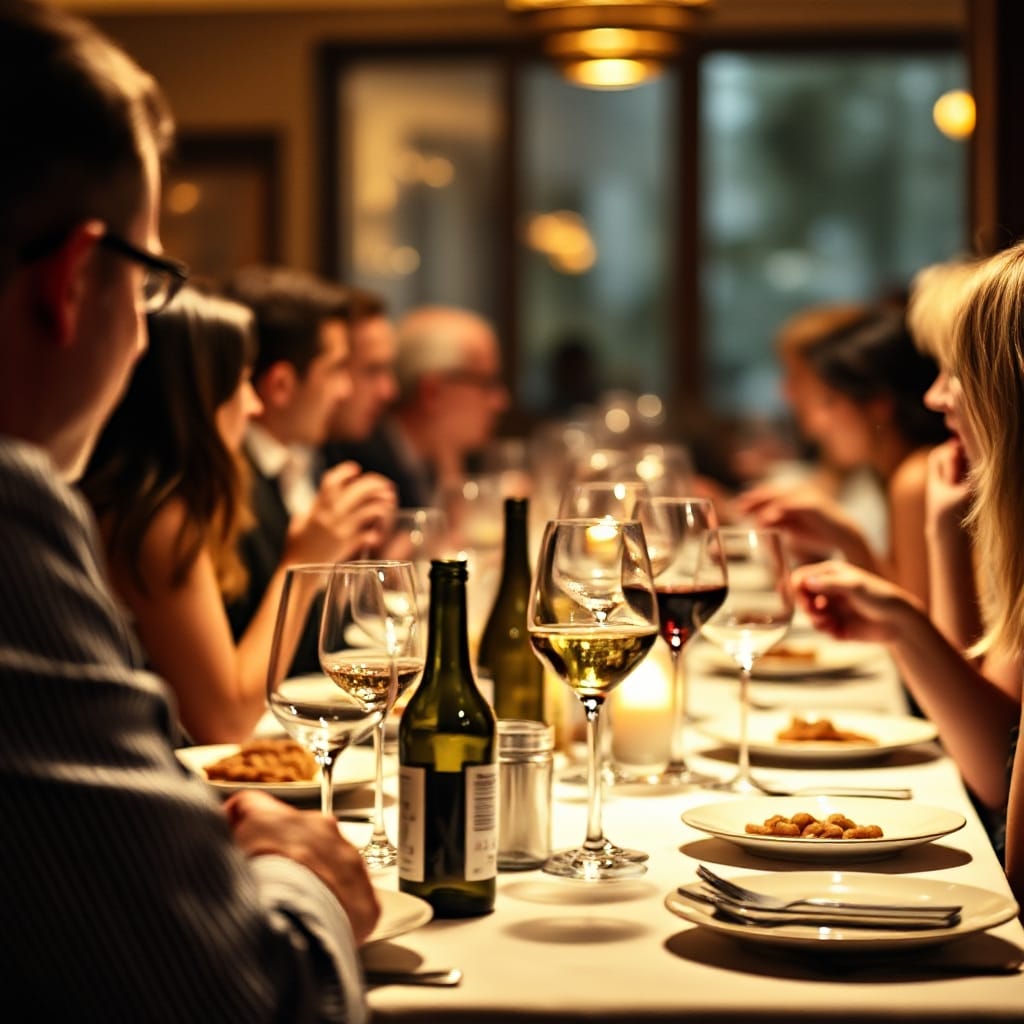
The only structure is one question we put on the table at the start. Something like "What is the dumbest thing that happened at your front desk this month?" Then we mostly get out of the way. Our salesperson attends but is not allowed to bring up the product unless someone asks.
The comparison we finally ran
After nine dinners, our CFO asked for a straight comparison against the webinars, so we pulled the numbers for the previous twelve months.
The webinars cost about $3,200 each, mostly in promotion and guest fees. Each one produced roughly 140 live attendees and, on average, two new paying customers within ninety days.
The dinners produced, on average, three new paying customers each within ninety days, from twelve guests. That is a quarter of the guests turning into customers. The customers from dinners also chose larger plans and, so far, have churned at about half the rate.
Cost per customer from webinars came out around $1,600. From dinners it was around $600.

Why I think the difference is so large
Part of it is selection. Someone who gives up a Thursday evening to eat with strangers is more serious than someone who clicks a registration link. But I think most of it is trust that moves sideways. At the dinners, the most persuasive voice is never ours. It is a clinic owner telling another clinic owner, over dessert, that she stopped losing Monday mornings to rescheduling calls.
You cannot manufacture that on a webinar. The format puts us at the center, and people know it.
What I would tell another marketer
Dinners do not scale the way webinars do, and that is fine. We now run two a month and treat them as our most important channel, not a side experiment. We still record short educational videos for people who want to learn on their own time, but we stopped pretending a one-hour slide deck was a relationship.
The hardest part was internal. Dinners feel like expenses, while webinars feel like campaigns. I spent weeks defending a restaurant bill that, in the end, was the cheapest customer acquisition we had ever done. Now the CFO asks when the next one is, and whether he can come.