What Actually Happens Inside Your Body During a Fever
A fever is not the infection itself but your body's deliberate response. A biologist's guide to the thermostat, the shivers and when to seek help.

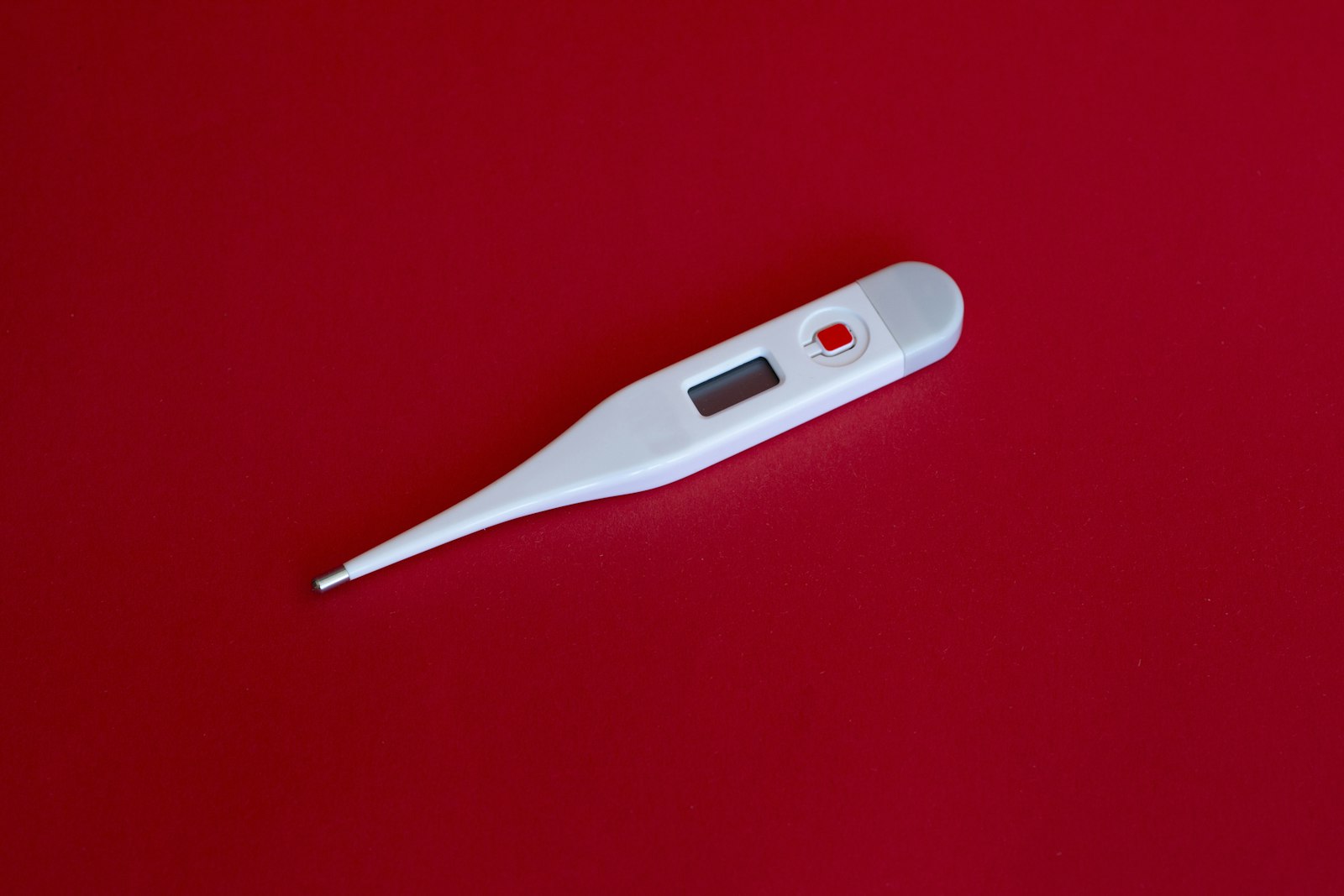
When my niece had her first real fever, my sister called me in a mild panic. The thermometer read 38.9 degrees Celsius and the child was shivering under two blankets. Was she too cold or too hot? Should the blankets come off? It is a confusing moment, and understanding what a fever is can make it a little less frightening.
A fever is a controlled response
Your body temperature is regulated by a region of the brain called the hypothalamus. It works a bit like a thermostat with a set point, normally around 37 degrees Celsius, though healthy individuals vary somewhat and temperature naturally shifts across the day.
During an infection, the immune system releases signalling molecules, often called pyrogens. These trigger the production of a compound called prostaglandin E2, which acts on the hypothalamus and raises the set point. Your body has not lost control of its temperature. It has deliberately chosen a higher target.
Why you shiver and then sweat
Rising phase
When the set point jumps, your current temperature suddenly feels too low to your brain. So your body does what it does in the cold: blood vessels in the skin narrow, you feel chilly, and you may shiver to generate heat. This is why my niece was shivering under blankets while running a high temperature.
Plateau
Once your temperature reaches the new set point, the chills ease. You may feel hot, flushed and tired.
Breaking phase
When the infection is brought under control or a fever-reducing medicine takes effect, the set point drops back down. Now your body is warmer than its target, so it sheds heat by sweating and widening skin blood vessels. That is the classic moment a fever breaks.
Is fever useful?
Research suggests a moderate fever can help the immune response. Higher temperatures may make some pathogens replicate less efficiently and can enhance aspects of immune cell activity. That said, fever also has costs: it raises heart rate and fluid needs and can make people feel quite unwell.
Common medicines such as paracetamol and ibuprofen lower the set point and are often used to improve comfort. Follow dosing guidance carefully, especially for children, and do not give aspirin to children unless a doctor advises it.
When to seek medical help
General guidance, which a doctor can tailor to your situation:
- Any fever in a baby under three months old.
- A very high temperature, or a fever lasting more than a few days.
- Difficulty breathing, a stiff neck, confusion, a rash that does not fade when pressed, or signs of dehydration.
- Anyone who seems much more unwell than you would expect.
The practical takeaway
For my niece, the advice was simple: lighter covers once the shivering eased, plenty of fluids, rest, and a call to the doctor if anything worried us. Two days later she was back to arguing about bedtime.
Understanding a fever does not replace medical advice. But knowing it is a deliberate defence, not a malfunction, made the night feel less frightening.
Cover: Photo by Markus Spiske on Unsplash.