How to Read a Market in Ten Minutes
A food market tells you what a town eats, what is in season and where to have lunch, if you know where to look.

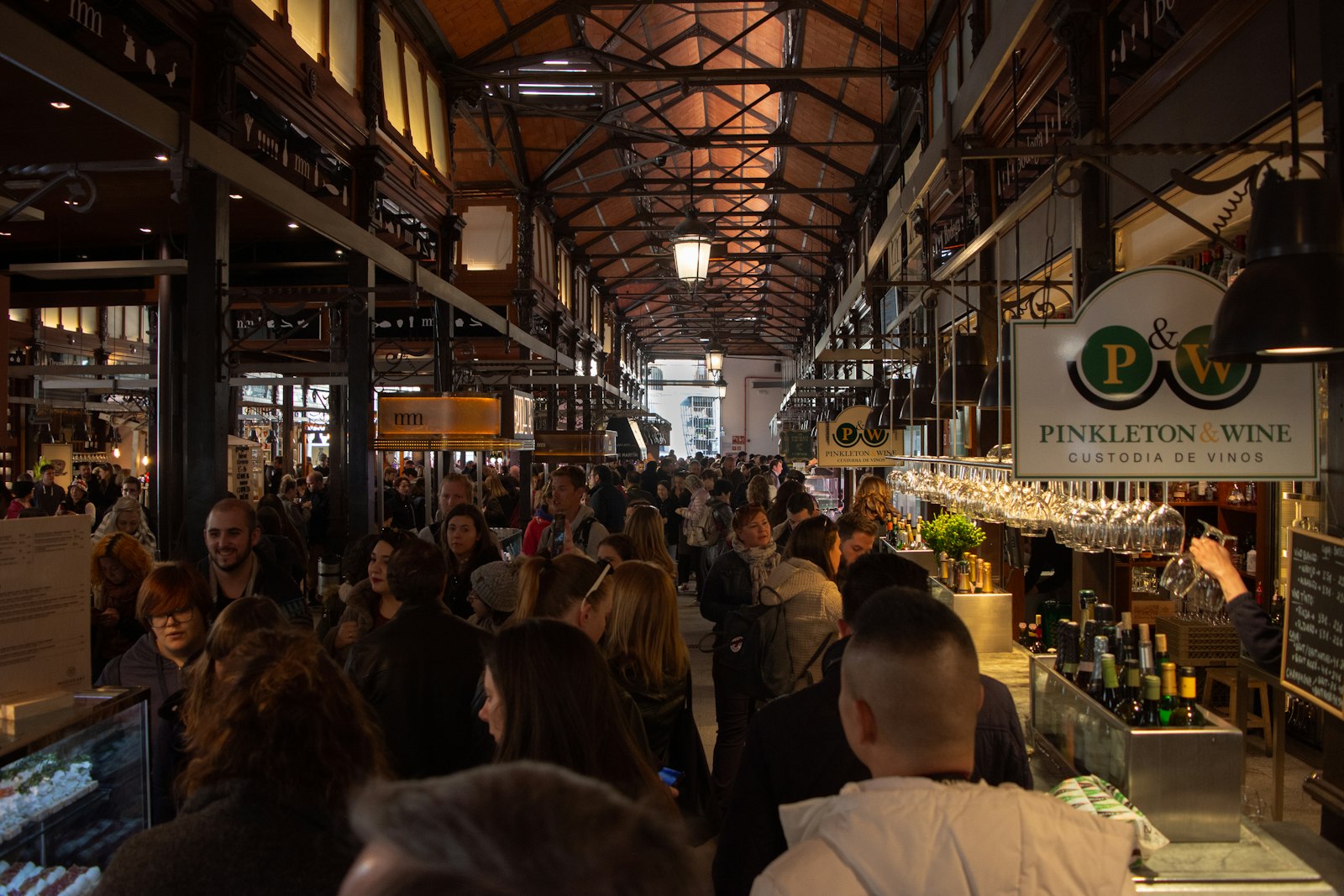
My grandmother shopped at the Mercado de Triana in Seville every morning for fifty years. When I was small she taught me to walk the whole market once before buying anything. Look first, she said, then decide. I still do it in every market in every country I visit, and it has never let me down.
Here is the ten-minute walk I take whenever I arrive somewhere new.
Minutes one to three: walk the whole loop
Do not stop. Do not buy. Just walk every aisle once and notice what appears again and again. If six stalls are selling the same green beans, those beans are in season and probably at their best and cheapest. If one stall has a queue of locals while the stall next door is empty, remember that.
In a market in Valencia last autumn, almost every fruit stall had piles of persimmons, glowing orange. I had never paid much attention to them. That week I ate one every morning, and they were extraordinary.
Minutes four to six: look at the hands and the bags
Watch what local shoppers carry. In a Portuguese market I noticed that nearly every older woman had a bundle of fresh coriander sticking out of her bag, which told me something important about the cooking before I had eaten a single meal.
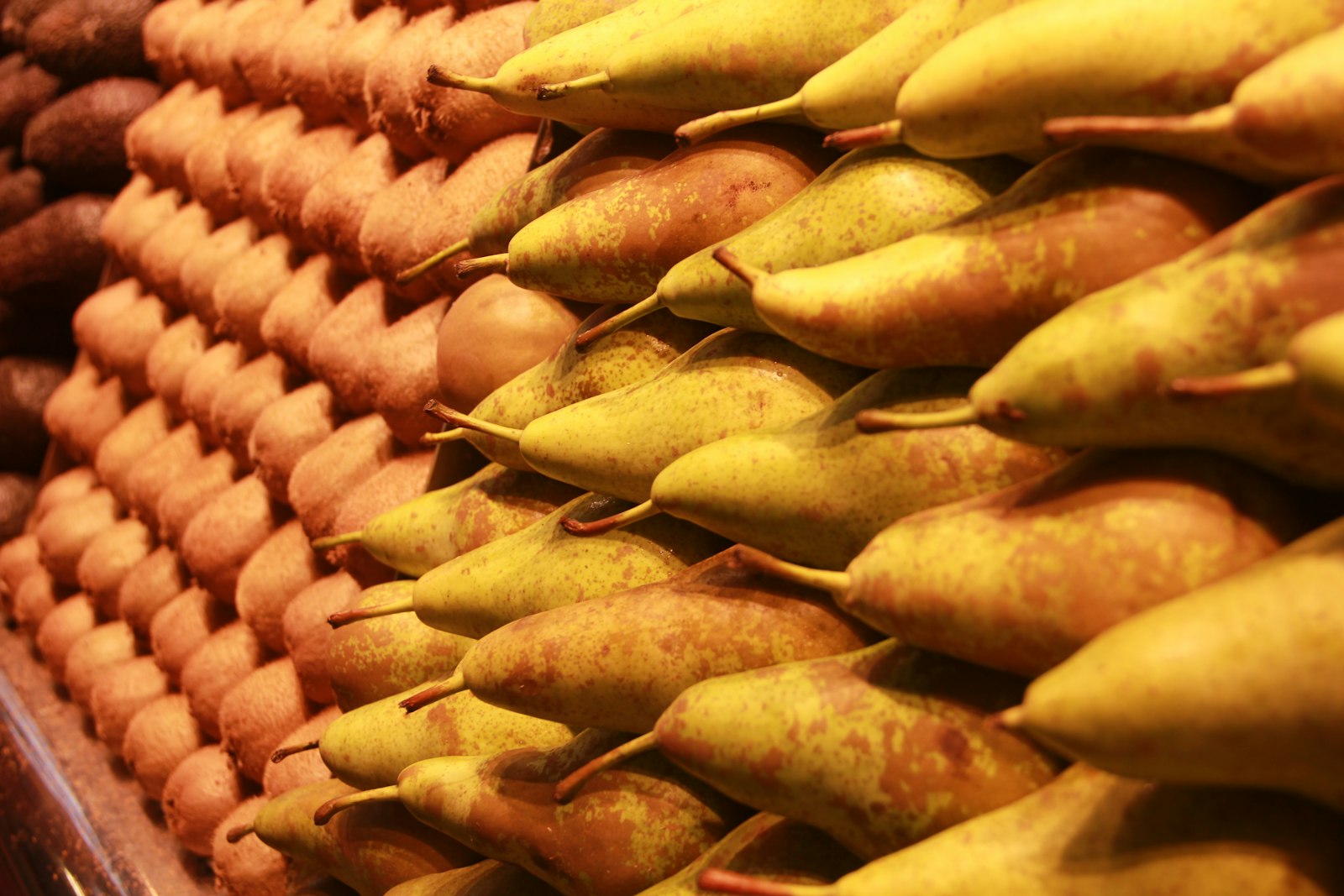
Look at how vendors handle their produce too. A fishmonger who rinses and arranges the fish carefully, on fresh ice, usually sells good fish. Wilting greens hidden under fresh ones are a small but honest warning.
Minutes seven to eight: find the cooked food
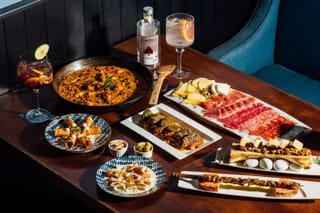
Most markets have a corner where someone is cooking. A tapas bar between the stalls, a stand frying fish, a woman selling soup from a big pot. This is almost always the best value lunch in town, because the ingredients came from ten metres away that morning.
In Seville, my favourite is a tiny counter where they fry whatever the fish stall had too much of. You do not choose. You get the day's catch, a squeeze of lemon, and a small beer, for less than the price of a sandwich at the train station.
Minutes nine and ten: talk to someone
Ask a vendor a simple question. What is good today? How do you cook this? You do not need perfect language skills. Pointing, smiling and a few words go a long way.
The answers are often more useful than any guidebook:
- Which bakery locals prefer
- Which days the market is busiest and freshest
- A dish you have never heard of that everyone eats at home
Why it matters
Restaurants show you what a town wants to sell to visitors. Markets show you what it eats. Ten minutes of slow, curious walking tells you the season, the cooking, the prices and where lunch should be. My grandmother never read a travel guide in her life, and she was right about this.
Cover: Photo by Alex Moliski on Unsplash.