Learning to Swim Properly at 51 Changed How I Breathe
I could keep myself afloat for fifty years. Learning to actually swim meant unlearning a lifetime of holding my breath.

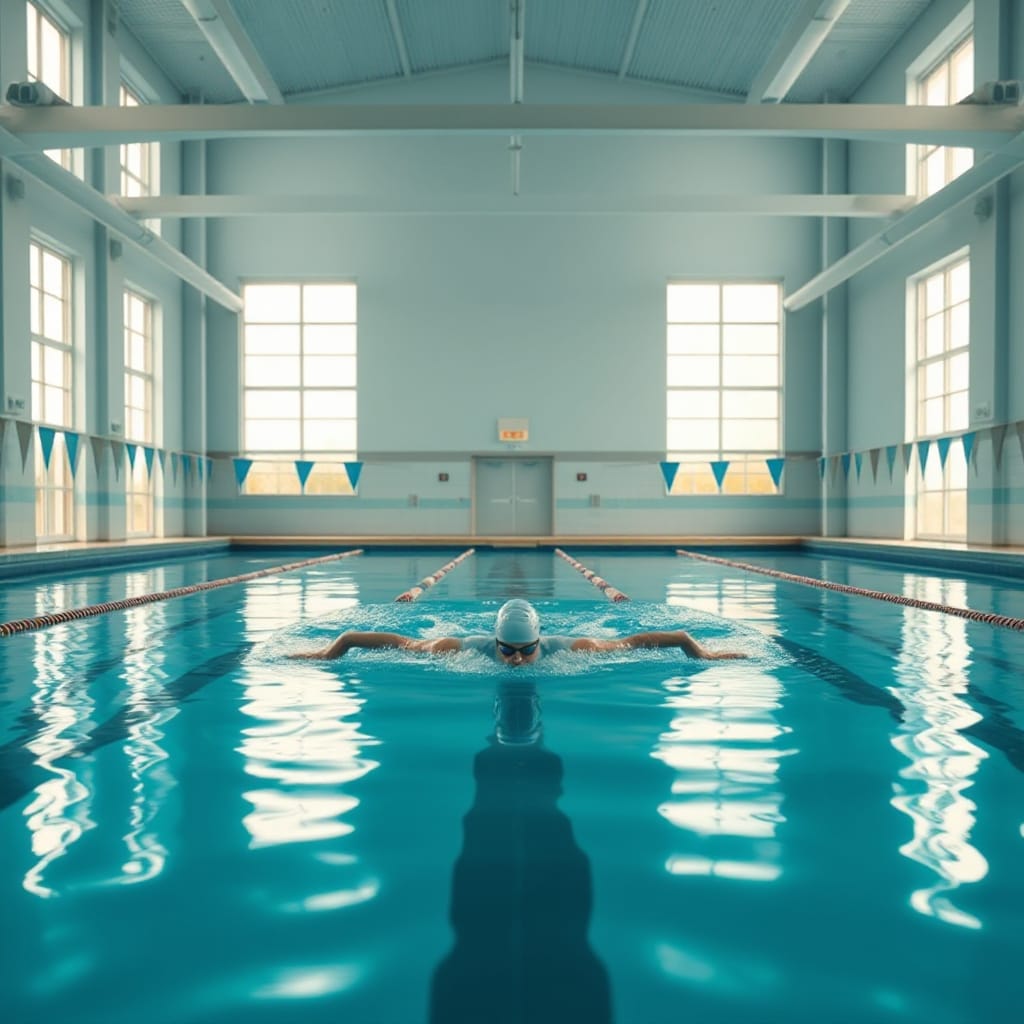
Like most Norwegians, I learned to swim as a child in a cold lake, mainly so I would not drown. My technique, if you can call it that, was a determined head-up breaststroke that kept my hair dry and my neck permanently tense. I could do about four lengths of the pool before I had to stop and cling to the side, red-faced and gasping.
At fifty-one I signed up for an adult beginners' class at the municipal pool in Bergen. There were nine of us, aged between thirty-four and seventy-two, and an instructor named Sigrid who was younger than my own children.
The first lesson was humiliating
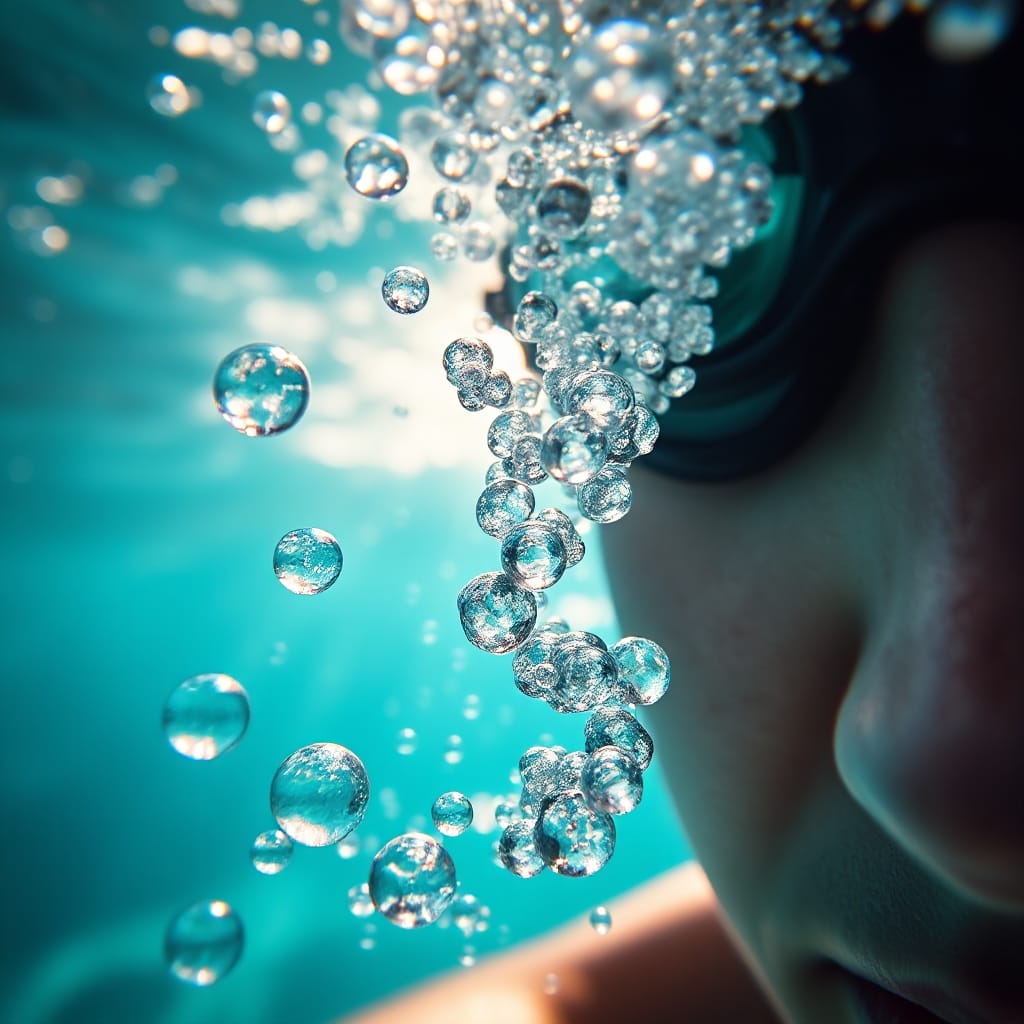
Sigrid asked us to put our faces in the water and blow bubbles. Just that. I could not do it calmly. Every time my face went under, my body panicked and I held my breath until I came up gasping. A seventy-two-year-old retired fisherman next to me was doing it serenely. I wanted to leave.
Sigrid explained something that has stayed with me: most adults who struggle in the water are not lacking strength. They are holding their breath. The body reads that as danger, tenses up, sinks, and the whole thing becomes a fight.
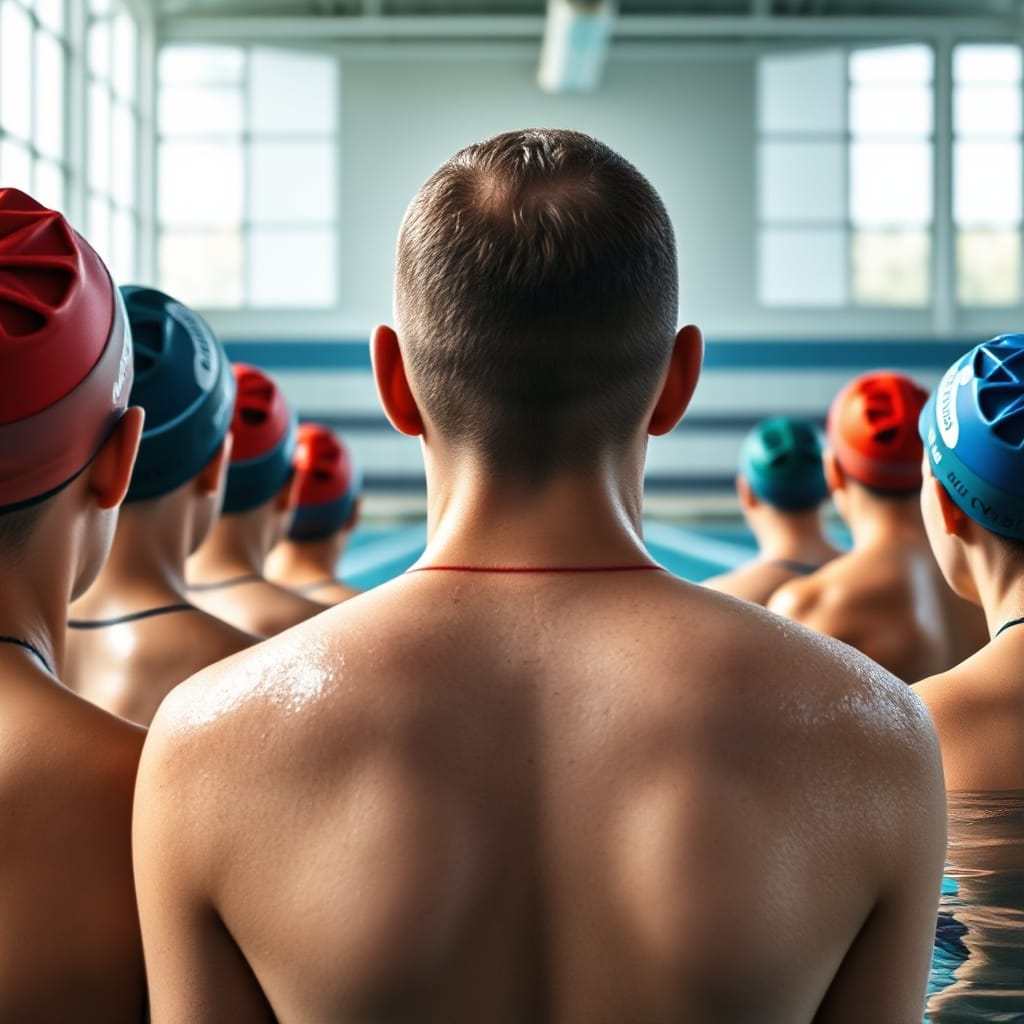
Weeks of bubbles
For the first four weeks, the class barely swam at all. We practised breathing out slowly underwater, then turning our heads to the side to breathe in. Hum underwater, turn, breathe, hum again. It was the most boring physical activity I have ever done, and the most useful.
I practised at home, too, in the bathtub, feeling slightly ridiculous. My husband walked in once while I was humming with my face in the bath water and quietly closed the door again.
When it clicked
In the sixth week, something changed. I pushed off the wall, breathed out steadily, turned my head, breathed in, and kept going. I swam a full length of front crawl without stopping. Then another. By the end of the twelve-week course I could swim 400 metres continuously, which for me was a small miracle.
What surprised me more was how relaxed I felt afterward. My shoulders, which had been up near my ears for years, came down.
Breathing on dry land
This is the part I did not expect. Once I had learned to notice how I breathed in the water, I started noticing it everywhere else. I hold my breath when I am marking essays. I hold it in difficult conversations with parents. I hold it when I am waiting for a bus that is late.
Now, when I catch myself, I do the pool exercise in my head: a long, slow breath out, as if I am humming into the water. I am not claiming any medical benefit. I can only say it makes me feel less like I am bracing for something.
Where I am now
I swim twice a week, usually early on Tuesday and Saturday mornings, about a kilometre each time. I am not fast. A teenager in the next lane overtakes me roughly every fifty metres. But I swim with my face in the water, breathing out steadily, and I no longer cling to the side. For someone who spent fifty years keeping her head above water, that feels like a quiet kind of freedom.