Menopause in the Staffroom: What I Wish Someone Had Told Me at 48
For two years I thought I was losing my memory and my patience. Nobody at work talked about it, so I started to.


At forty-eight, I forgot the name of a student I had taught for three years. I was standing in front of the class, pointing at her, and the name was simply gone. A few weeks later I lost my temper with a colleague over a photocopier, something I had never done in twenty years of teaching. At night I woke drenched, kicked off the duvet, then lay awake until four.
I assumed I was burning out, or worse. It took me nearly two years to connect these things to perimenopause. This piece is not medical advice. It is the conversation I wish someone had started with me.
Why I did not see it
Partly ignorance. My mother never mentioned menopause beyond the occasional joke about hot flushes. I knew it involved feeling warm and the end of periods. I did not know it could begin years before periods stopped, or that for some women the main symptoms are poor sleep, anxiety, foggy memory and irritability.
Partly pride. Teachers are supposed to be composed. I did not want to be the woman in the staffroom who was struggling.
The doctor's appointment
When I finally went to my GP, I brought a list, because I knew I would forget half of it in the room. Sleep. Memory. Night sweats. Joint aches. Mood. She listened for twenty minutes and asked about my cycle. Then she said, gently, that what I was describing was very common at my age, and we talked through options.
What I took from that appointment, more than any particular treatment, was relief. I was not losing my mind. My body was going through a known transition, and it had a name.

The small changes that helped me
Everyone is different, and what helped me may not help anyone else. But for me:
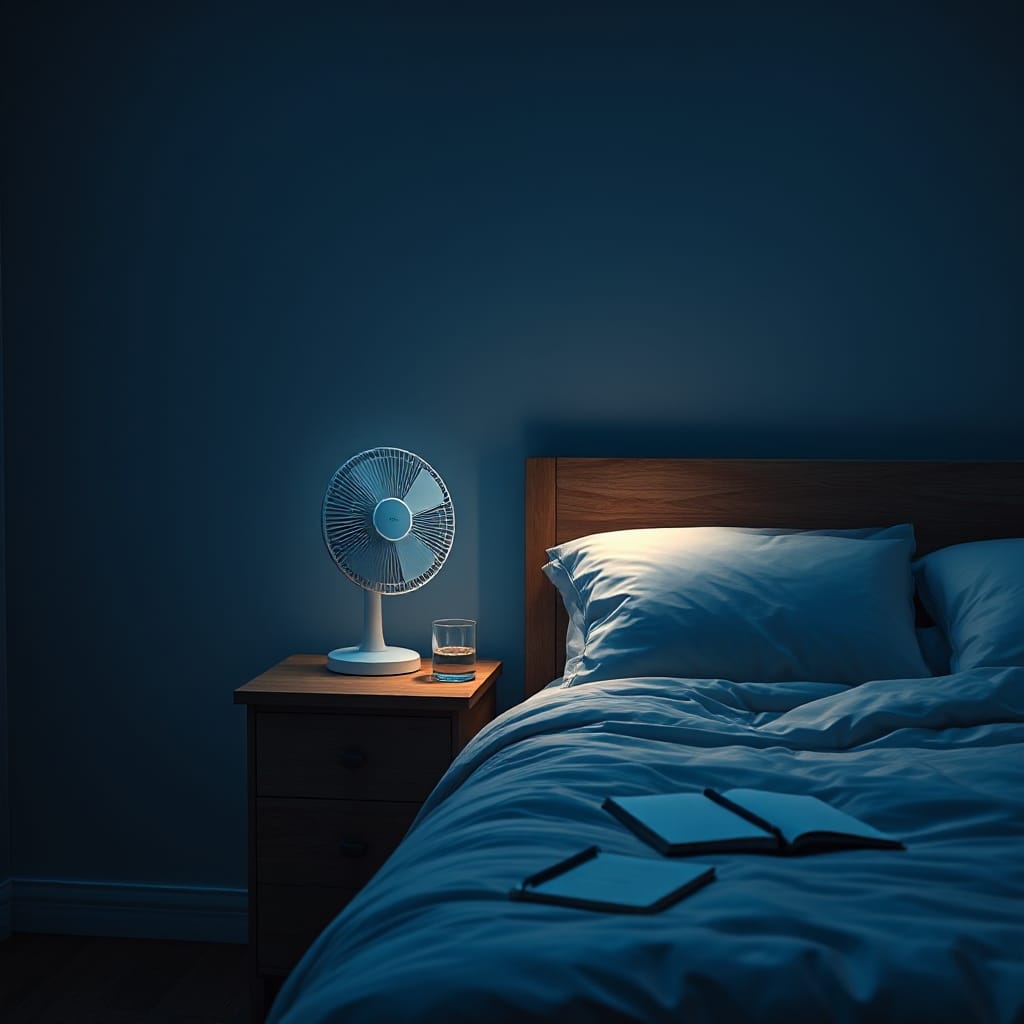
- A fan on my side of the bed, and separate duvets, which my husband accepted with remarkable grace.
- Writing everything down. Lesson plans, names, appointments. My memory felt unreliable, so I stopped relying on it.
- Telling my head of department. I did not ask for anything special. Just saying it out loud took away the fear of being misjudged.
- Cutting back on wine in the evening, which I noticed made the night sweats worse for me.
Breaking the silence at work
The surprise came after I mentioned it, briefly and with some embarrassment, at a staff lunch. Four women in the room said, almost at once, that they were going through something similar. One had been considering early retirement because she thought she could no longer cope. Another had been prescribed sleeping tablets without anyone asking about her age.
We now have an informal lunch once a month. No agenda, just a table at the back of the canteen where it is fine to say that you slept for three hours and cannot remember the word for "stapler".
What I would tell my younger self
I would tell her the symptoms might start earlier than she expects and look nothing like the jokes. I would tell her to keep a simple diary of sleep and mood, so that when she sees a doctor she has something concrete to show. And I would tell her not to wait two years out of pride. It is not weakness to name what is happening in your own body.