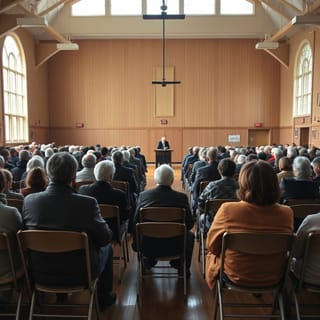
Our Selectboard Spent Three Hours Arguing About One Gravel Road
Why a 1.2-mile dirt road became the most important public issue in town for a full season.

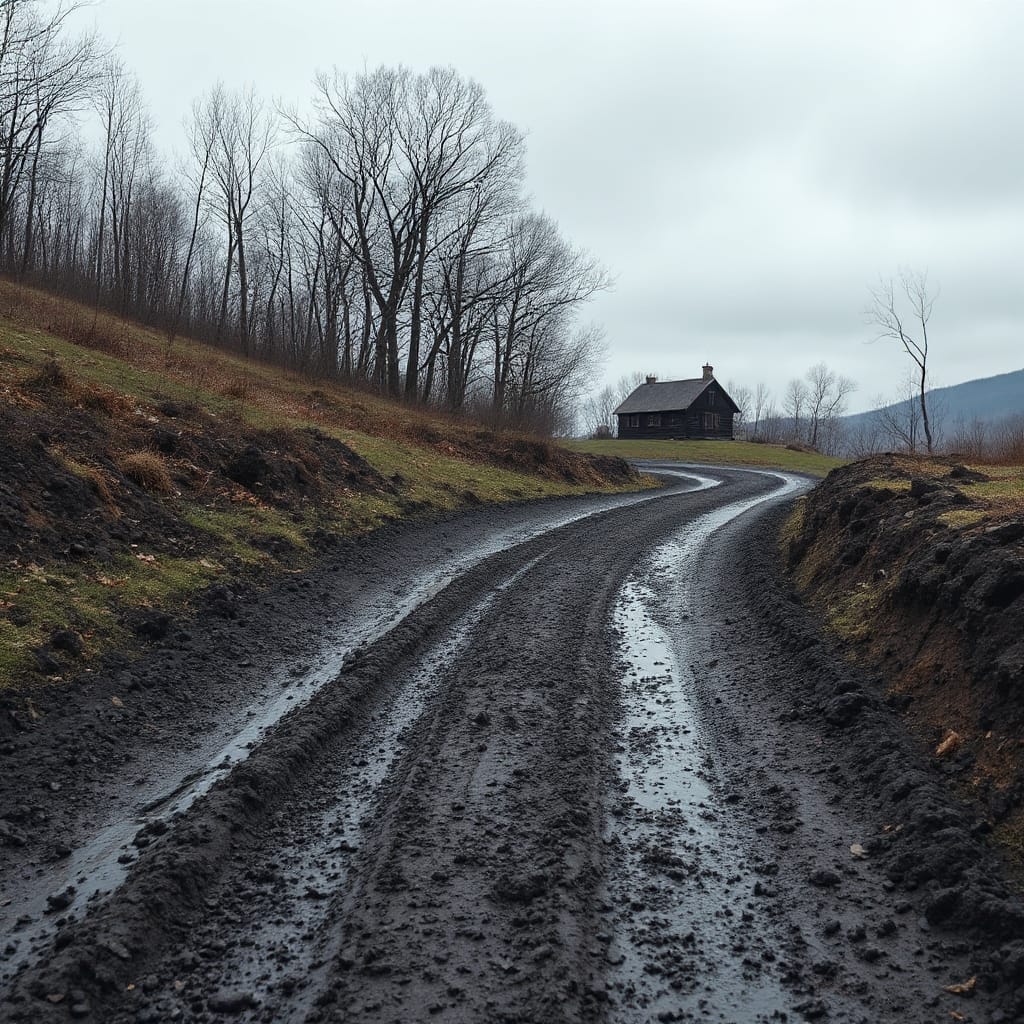
Our town has 46 miles of road. Thirty-one of them are gravel. Last spring one of those gravel roads, a 1.2-mile stretch that climbs past seven houses and an old sugarhouse, became the subject of the longest selectboard meeting anyone could remember.
As town clerk I take the minutes. That night I filled 14 pages and had to change pens twice.
How the issue started
Every spring, mud season turns our gravel roads into something closer to pudding. On this particular road, the mud was bad enough that an ambulance got stuck in April while responding to a call. Nobody was hurt, but the patient had to be carried 300 yards to the vehicle.
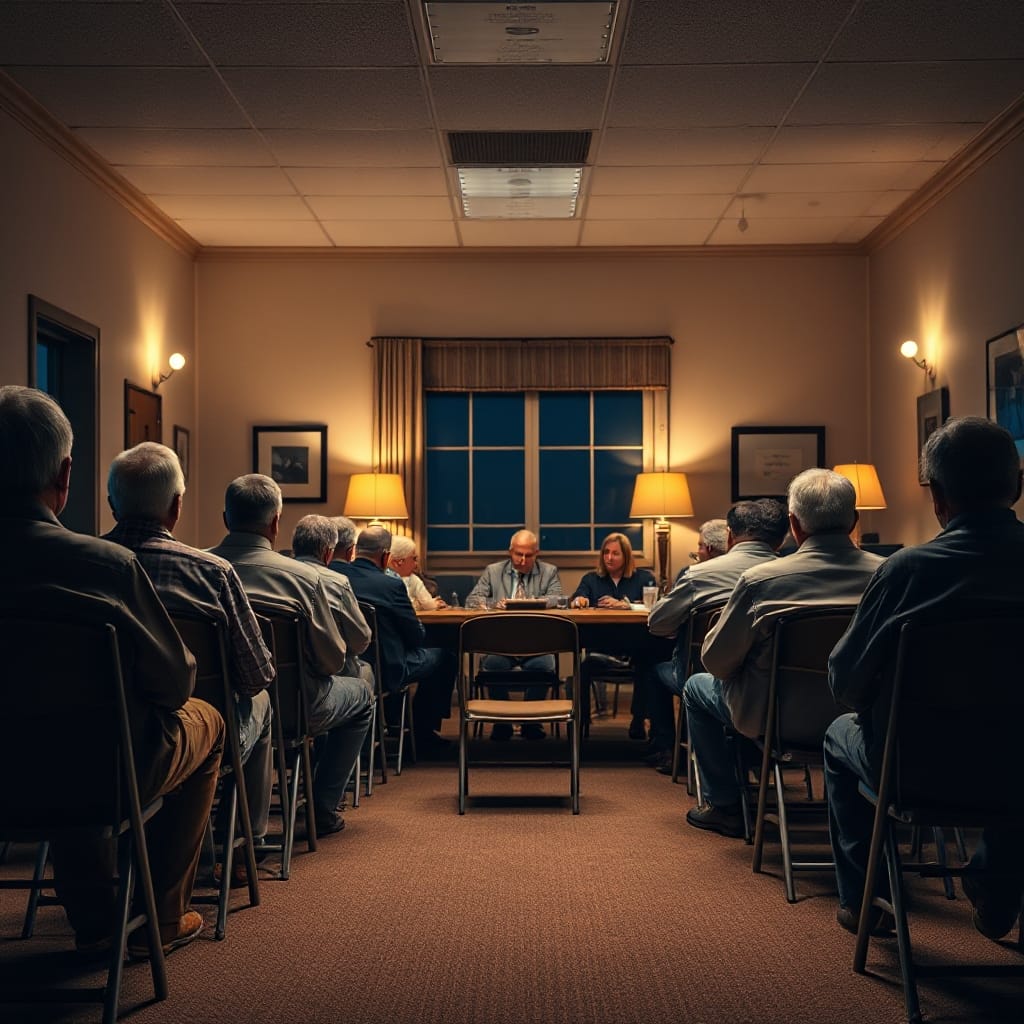
Several residents petitioned the selectboard to pave the road. Others on the same road strongly opposed paving. The meeting was set for a Thursday in May, and 64 people came, which in our town is a crowd.
The case for paving
Those who wanted pavement had real arguments. Emergency access is a safety matter. Paved roads need less grading during mud season. One family with a child in a wheelchair described what it is like to push through mud to get to the car. The road commissioner said the road costs about 9,000 dollars a year in grading and gravel, more than its share.
The case against
Those against paving had real arguments too. Paving 1.2 miles was estimated at around 400,000 dollars, a large sum for a town our size, likely requiring a bond vote. Paved roads in hilly country can lead to faster traffic. Some argued the problem was drainage, not the gravel itself: water running under the road from a spring was turning the base soft.
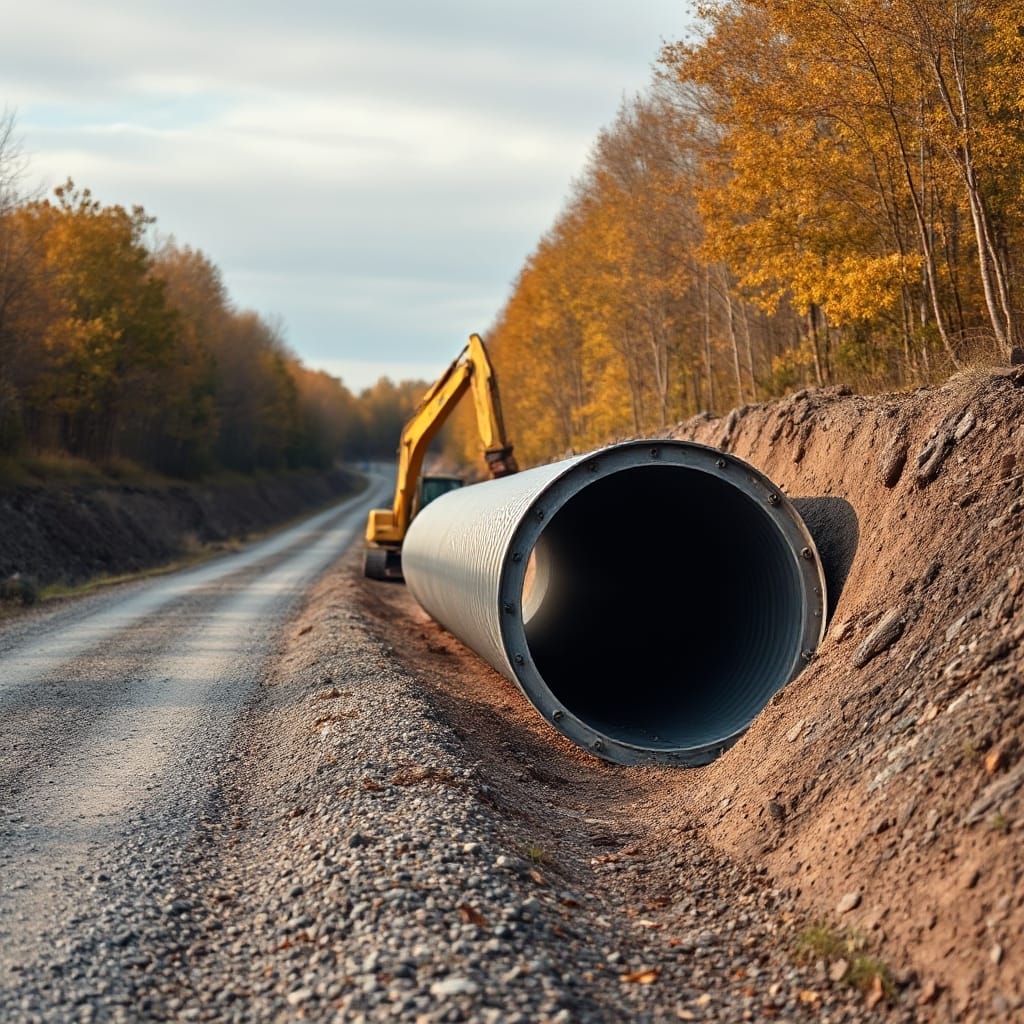
An engineer from the regional planning commission, who attended for free, agreed that drainage was the core issue. She said a well-built gravel road with proper ditches and culverts can hold up well in mud season.
What was decided
The selectboard did not pave the road. They voted to apply for a state grant program for road improvements that reduce erosion and runoff, which covers part of the cost of drainage work. The town would contribute its share from the highway budget. The project would add culverts, rebuild ditches and replace the road base on the worst 400 feet.
Not everyone was pleased. One resident said he would bring a paving article to the next town meeting, which is his right.
What I took from it
- Most local disputes are not about values but about information. The engineer changed the conversation more than any speech did.
- Three hours is not too long for something that affects people's homes and safety.
- Selectboard members are volunteers, paid a small stipend. They stayed until 10:15 p.m. without complaint.
The drainage work was finished in September. This April, an ambulance drove up the road without trouble. The paving article is still on someone's kitchen table.