Our Small-Town Library Lends Snowshoes, Cake Pans and a Telescope
How a library of things turned a quiet reading room into the busiest building in town.

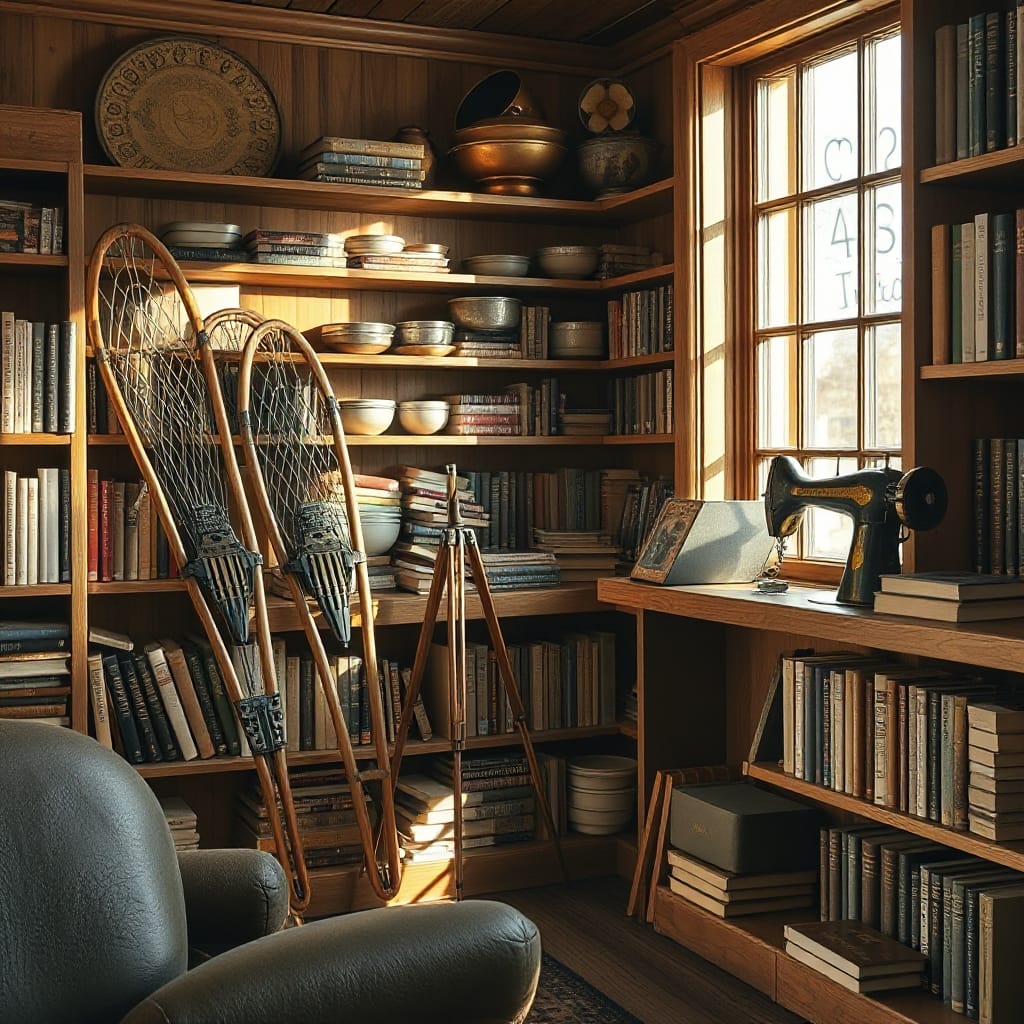
When I was the librarian in our town, the most borrowed item one February was not a book. It was a pair of snowshoes. The second most borrowed was a heart-shaped cake pan. A telescope was on a waiting list three months long.
We started lending things, not only books, about eight years ago. It began with a single donated sewing machine and grew into a collection of over 130 items. It changed how people in town used the library and, I think, how they thought about it.
How it started
A woman who was moving to Florida offered us her sewing machine. We had no place for it on the shelves, so we put it on a cart with a laminated card explaining how to thread it. It went out the same day. Then it went out again. A waiting list formed.
Our board discussed whether lending objects was the library's job at all. One member argued it was a distraction from books. Another pointed out that libraries have always been about sharing things people could not easily afford alone. We decided to try it for a year.
What we lend now
The collection grew mostly through donations and a small grant from a regional foundation. A partial list:
- Snowshoes in six sizes, and two pairs of cross-country skis.
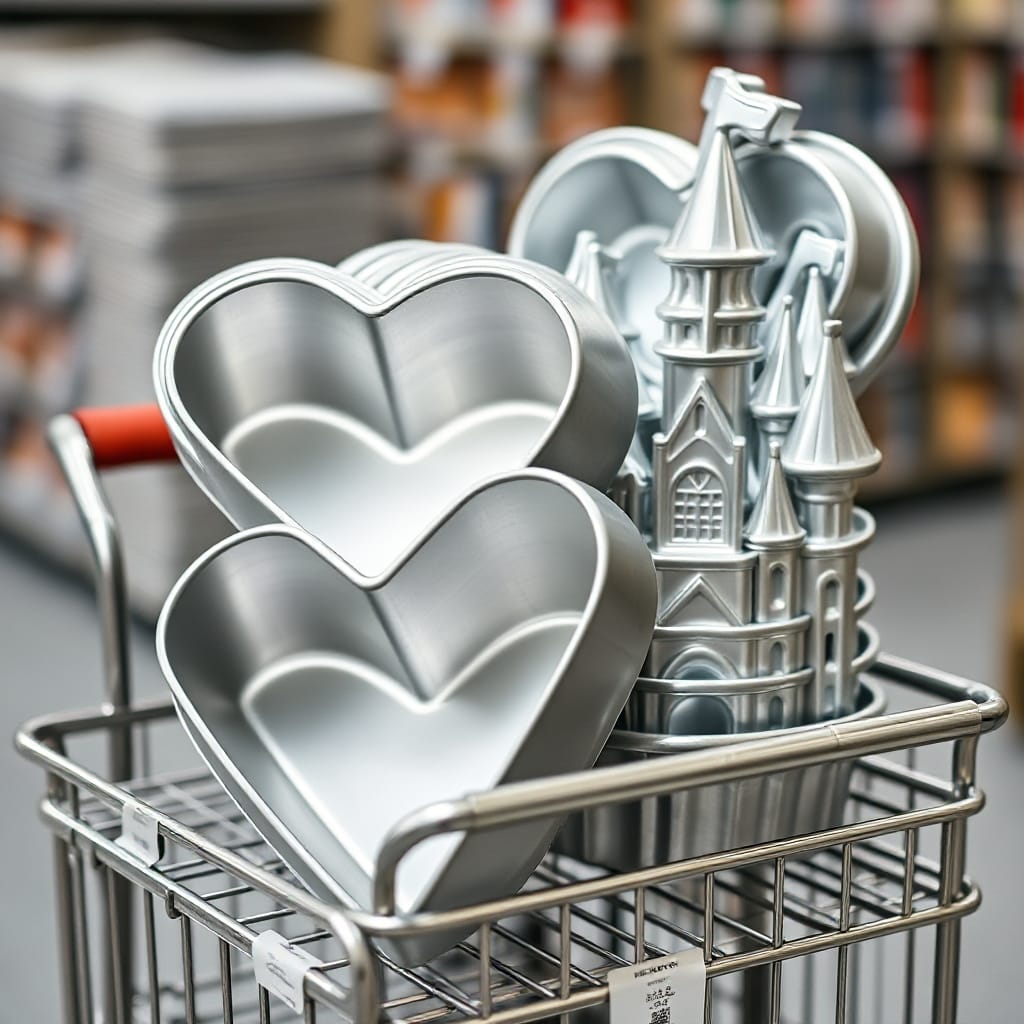
- Cake pans shaped like hearts, trains, a pumpkin and a castle.
- A telescope, binoculars and a bird identification kit.
- A pressure canner, an apple peeler and a food dehydrator.
- A ukulele, a keyboard and a small sound system.
- A stud finder, a moisture meter and a tile cutter.
The canning equipment is busiest in late August. The cake pans peak in February and around children's birthdays. The telescope peaks on clear winter nights, which in Vermont is a short list.
What we learned about rules
We had to invent rules for items that could break, get dirty or be dangerous. Loan periods are a week for most things. Each item has a bag with instructions and a checklist of parts. We ask borrowers to clean items, and most do. The pressure canner comes with a printed guide and a strong recommendation to watch a short training session first.
Losses have been surprisingly rare. In eight years we lost one tripod and a single snowshoe. We still have its partner, hanging on the wall as a reminder.
What it did for the library
Circulation of things brought in people who had not used the library in years. A man who borrowed the tile cutter later joined our book group. Families who came for snowshoes left with picture books. The children's room got busier because parents dropped by to pick up a cake pan.
I am retired from the library now, but I still stop by. Last week I saw a teenager carefully carrying the telescope out to her mother's car, like it was a sleeping baby. That is what a library is for.