The Quiet Power of the Default Option in Public Policy
Some of the most effective policies never force anyone to do anything. They simply change what happens when people do nothing.


Imagine two workplaces offering the same retirement savings plan. In the first, employees must fill in a form to join. In the second, they are enrolled automatically and must fill in a form to leave. Same plan, same freedom, same paperwork. In study after study of arrangements like this, the second workplace ends up with dramatically higher participation, sometimes by 30 or 40 percentage points.
Nothing was mandated. Only the default changed.
Why defaults are so powerful
Defaults work because most of us, most of the time, do not actively decide. We are busy. Forms are tedious. And a pre-selected option carries an implied message: this is what is normal, or what someone thought was sensible.
Researchers usually point to three forces:
- Inertia. Changing anything takes effort, even small effort.
- Implied endorsement. People assume the default was chosen for a reason.
- Loss aversion. Opting out can feel like giving something up.

Where you already live inside defaults
Once you notice them, defaults are everywhere in public life:
- Whether you are registered as an organ donor unless you say otherwise.
- Whether voter registration happens automatically when you interact with another government service.
- Whether a benefit is paid automatically to eligible people or must be claimed.
- Whether energy customers are moved to a standard tariff or a cheaper one when contracts end.
Each of these is a design choice. Somebody, at some point, decided which way the box was ticked.
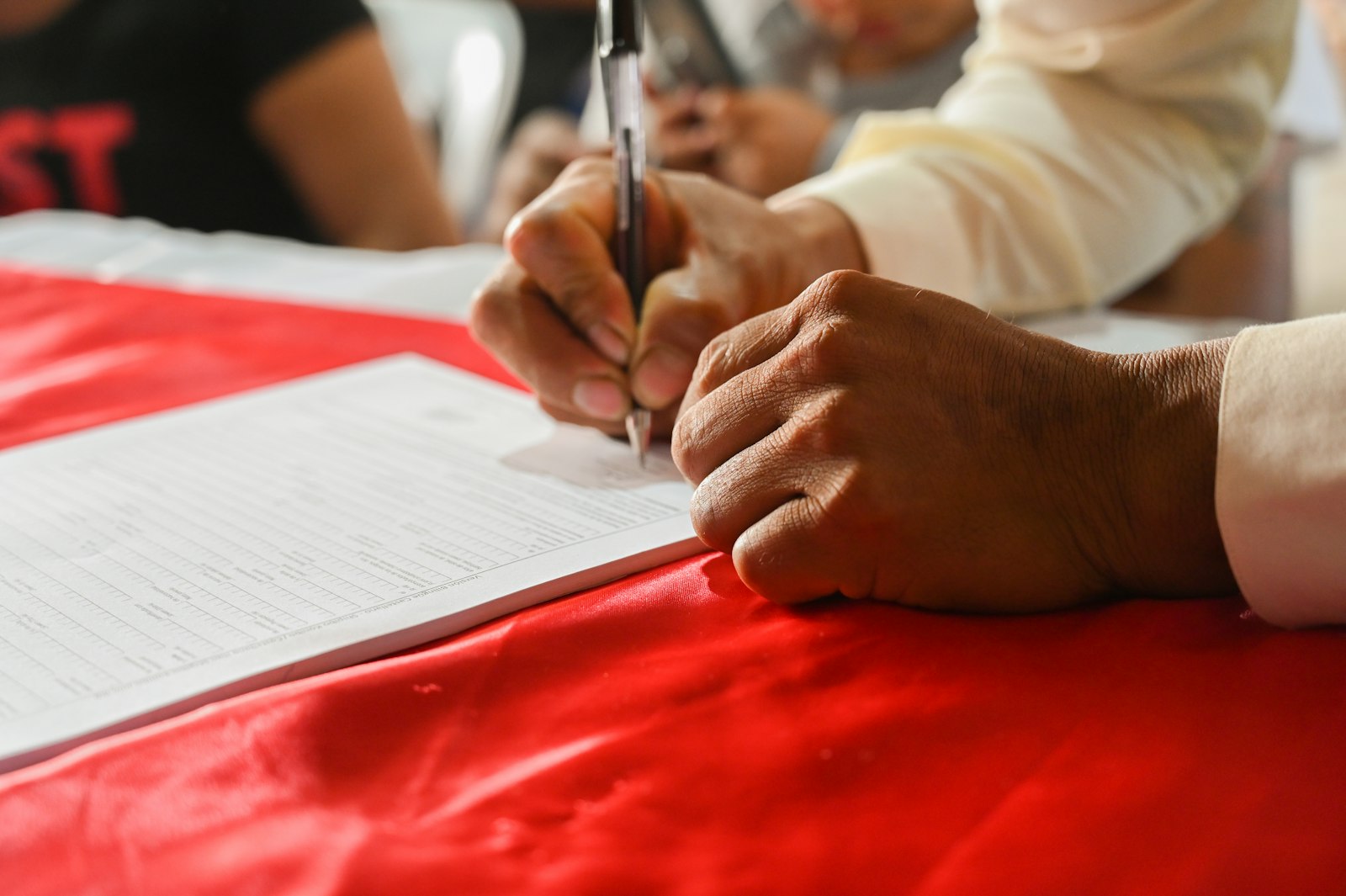
The debate is about who sets the default
This is where the conversation gets genuinely interesting, and where reasonable people disagree. Defaults raise real questions:
- Who decides what the good default is? Officials can be wrong, and a default scales a mistake to millions of people.
- How easy is opting out? A default with a one-click exit respects choice. A default buried behind three phone calls does not.
- Is the default transparent? People should be able to see that a choice was made for them.
Supporters argue that there is no neutral option: every form has some starting state, so it might as well be a helpful one. Critics worry about governments gradually steering behaviour in ways that are hard to notice or contest. Both concerns are worth holding at once.
A useful test
When I evaluate a default-based policy, I ask a simple question:
If people understood exactly how this default works, would most of them be comfortable with it?
If yes, the default is probably saving people effort they did not want to spend. If no, it may be relying on inattention to get a result people would reject if asked. That test does not settle every case. But it moves the argument away from whether nudging is good or bad in general, and towards the specific design in front of us, which is where policy is actually made.
Cover: Photo by Scott Graham on Unsplash.