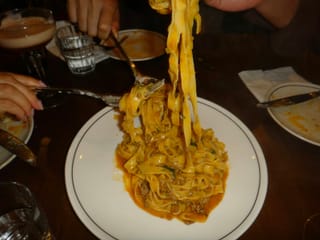
How the Tomato Crossed an Ocean and Conquered the Italian Kitchen
For two centuries Italians grew the tomato as a curiosity and feared it as a poison. Then Naples put it on pasta and everything changed.

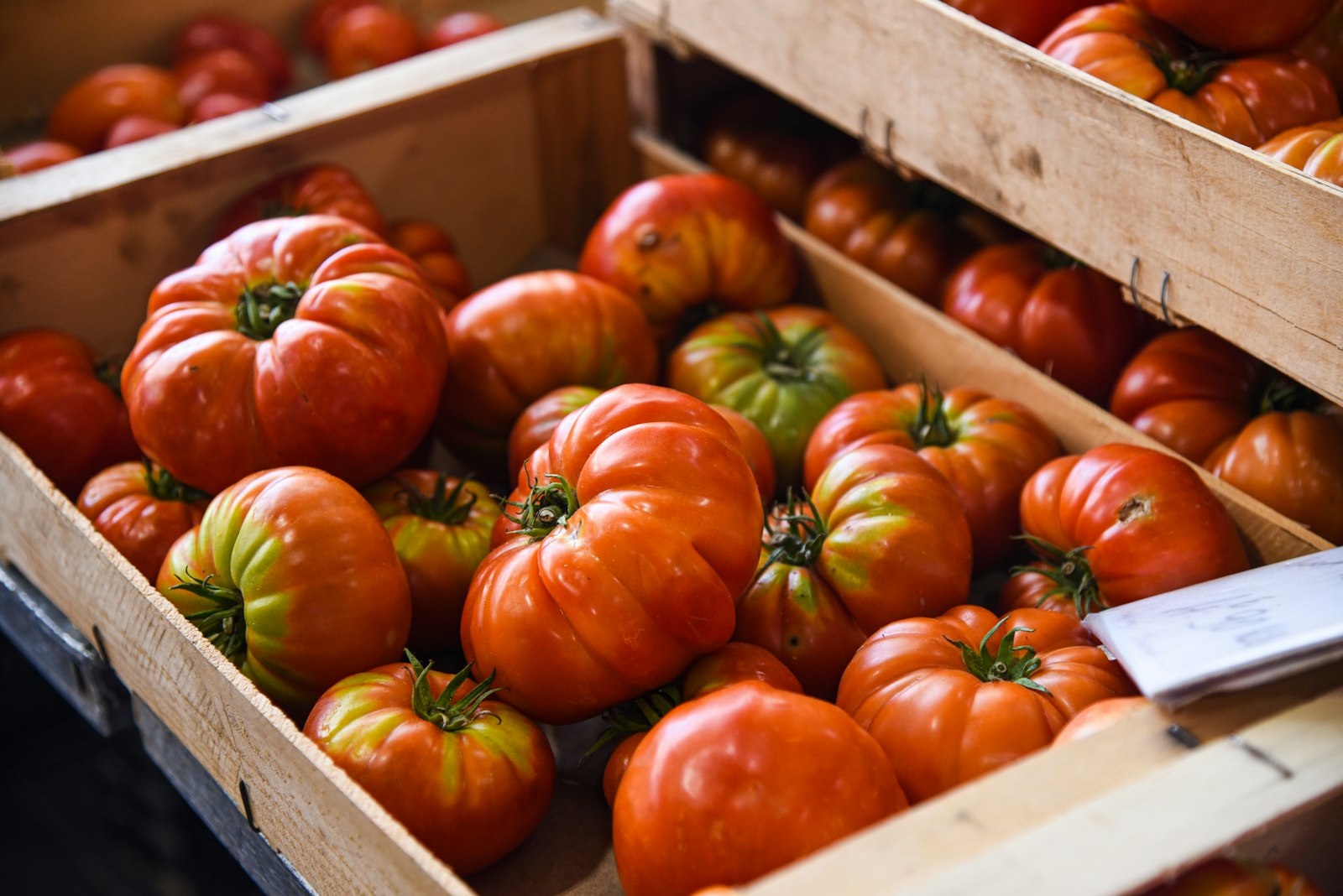
It is hard to imagine an Italian kitchen without a tomato in it. Yet for most of our recorded food history there was none. Medieval Bologna ate its pasta with butter, cheese, sugar and spices. The red sauce that the world now thinks of as Italian is, in historical terms, a recent arrival from very far away.
A Strange Fruit From the New World
The tomato came to Europe from Mexico and Central America in the sixteenth century, carried back on Spanish ships. In 1544 the Sienese physician Pietro Andrea Mattioli described a plant whose fruits ripened yellow, and he gave it a name that stuck: pomi d'oro, golden apples. That is why we still say pomodoro today.
For a long time, though, nobody wanted to eat it. The plant belongs to the nightshade family, which includes belladonna, and its leaves have a sharp, unpleasant smell. Botanists grew it in gardens as an ornamental. Aristocrats admired it. Cooks kept their distance.
- It looked like a relative of poisonous plants.
- It spoiled quickly and travelled badly.
- Physicians, still following ancient theories of the humours, thought it was too cold and wet to be healthy.
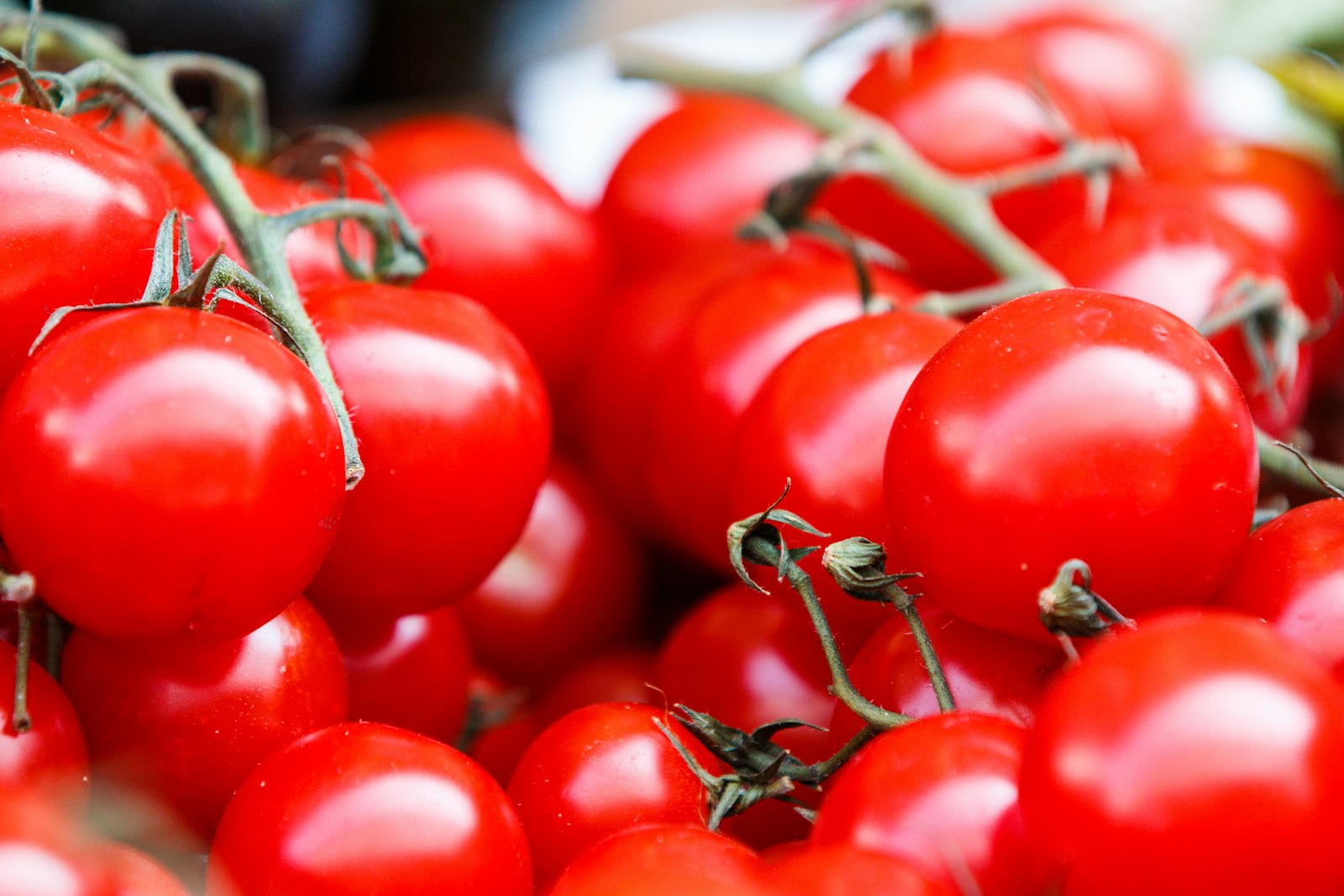
Naples Changes Its Mind
The breakthrough came in the south, where the climate suited the plant and where poor families had every reason to experiment with a cheap, abundant crop. In 1692 a Neapolitan steward named Antonio Latini published a recipe for salsa di pomodoro alla spagnuola, tomato sauce in the Spanish style, made with chopped tomatoes, onion, chilli and thyme. He served it with boiled meats, not with pasta.
The marriage with pasta took another century and a half. In 1839 the Duke Ippolito Cavalcanti printed a recipe for vermicelli with tomatoes in his book on Neapolitan home cooking, and from there the combination spread through the street food stalls of the city. Pasta vendors sold steaming plates to passers-by, who ate them with their fingers.
A New World fruit, a Spanish sauce, and a Neapolitan street habit became the most Italian plate on earth.
How It Reached My City
In Bologna the tomato arrived late and cautiously. Our ragù still uses only a spoonful of concentrated conserva, a memory of a time when tomato was a seasoning rather than the main event. My great-grandmother made that conserva every August on the balcony:
- She cooked down crates of ripe tomatoes into a thick purée.
- She spread it on wooden boards to dry in the sun for days.
- She packed the dark paste into jars under a layer of olive oil.
The result tasted almost of dried fruit, and one jar lasted the whole winter.
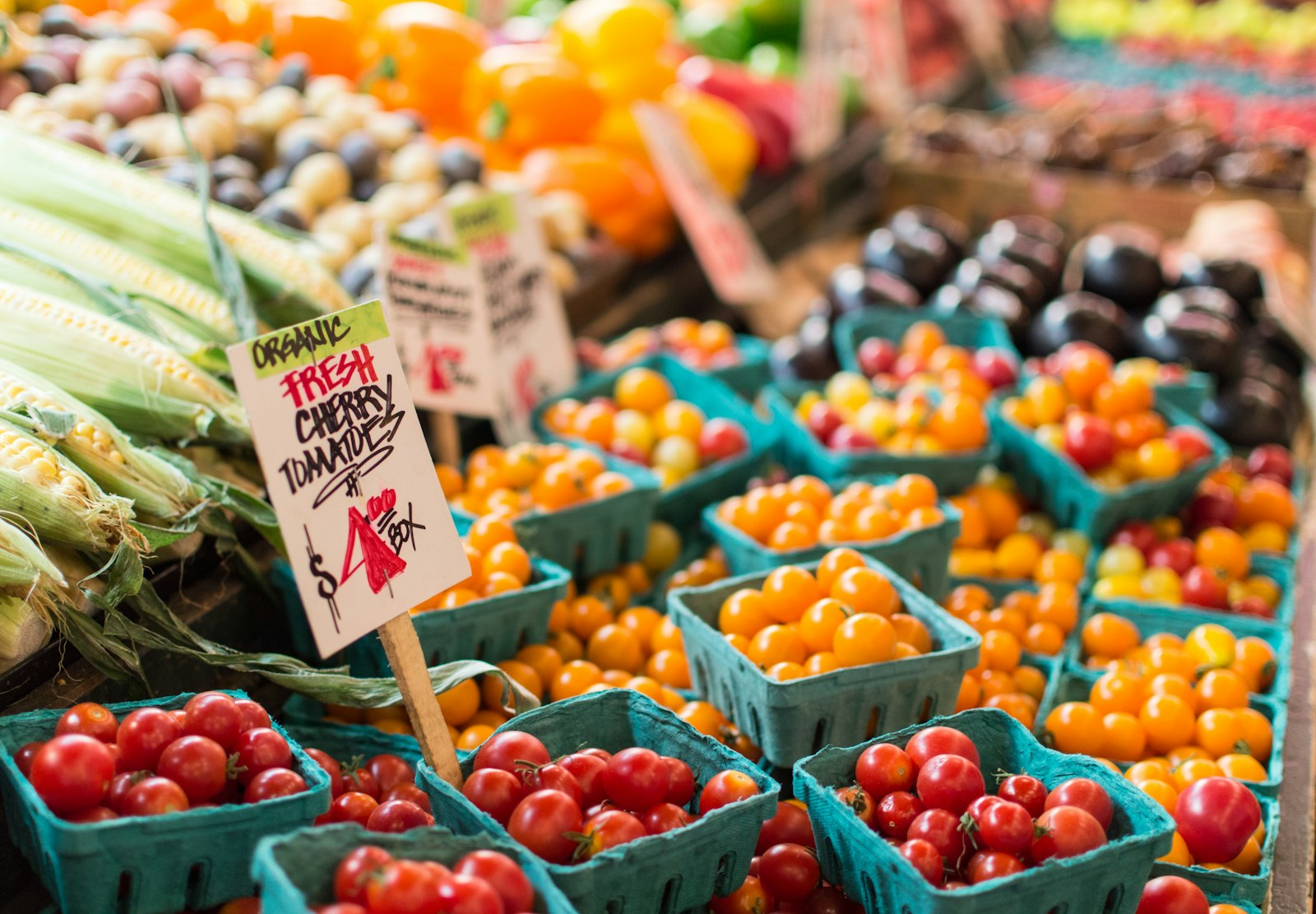
When I walk through the Quadrilatero market now and see the crates of San Marzano, Pachino and cuore di bue piled high, I think about how strange this sight would have seemed to a Bolognese cook in 1600. The tomato did not belong here. It took two hundred years, a sceptical medical establishment and a great deal of southern courage for it to become ours.
Cover: Photo by Luna Wang on Unsplash.