What Happened When I Gave Up Evening Screens at 52
No television, no tablet, no phone after eight o'clock for six months. The first three weeks were the worst.

I am not a person anyone would describe as addicted to technology. I do not have social media accounts. I am fifty-two, I teach secondary school, and I own a basic smartphone mostly used for calls, the weather and the bus timetable. So when I said I was giving up screens in the evening, my husband laughed and asked what exactly I would be giving up.
The answer, it turned out, was about three hours a night.
How much I was actually using
Before starting, I watched myself for a week. I was shocked. I came home, ate dinner, and then, almost without thinking, the television went on. Crime series, the news, a cooking programme. Then the tablet in bed, reading Norwegian news sites and long articles about history that I told myself were professional development. Then the phone, checking the weather for tomorrow, then checking it again.
On average, I was looking at a screen from about 7:30 p.m. until 11 p.m. Three and a half hours, nearly every night.
The rules
From the first of September I set a simple rule: no screens after 8 p.m. The television stayed off, the tablet stayed in a kitchen drawer, the phone went on the hallway table. If someone needed to reach me urgently, they could call the landline, which we still have mostly out of stubbornness.
I made an exception for one film on Saturday nights with my husband, because a rule that ruins your marriage is a bad rule.
The first three weeks
They were difficult in a way I had not expected. Not because I missed any particular programme, but because I did not know what to do with my hands. The evenings felt enormously long. I would sit on the sofa at 8:15 and feel almost restless, as if I had forgotten to do something important.
I tidied a lot. I cleaned cupboards that had not been cleaned in years. I phoned my sister in Tromsø three times in one week, and she asked if I was ill.
What filled the space
By the fourth week, the evenings found their own shape:
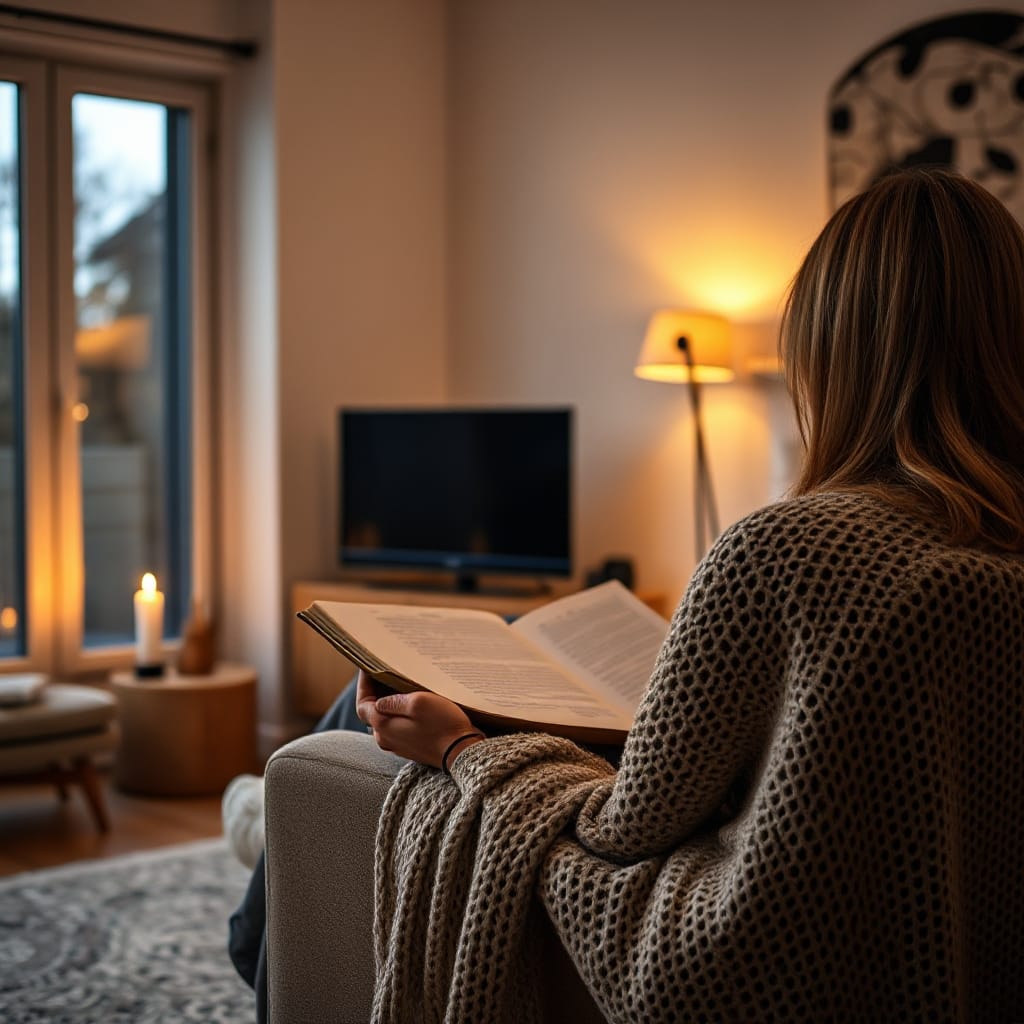
- I started reading paper books again, about one a week, mostly novels I had meant to read for years.
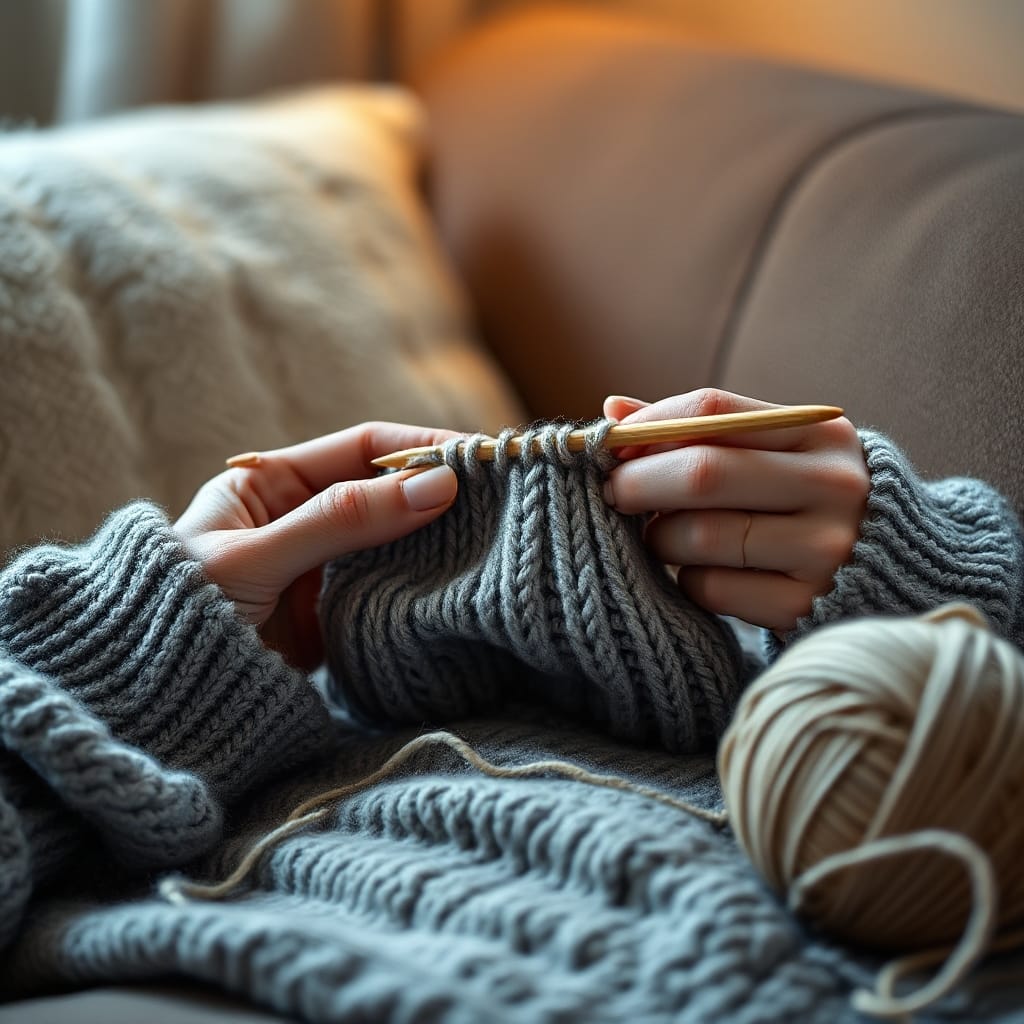
- I took up knitting, which I had abandoned at twenty. My first sweater was terrible. The second was wearable.
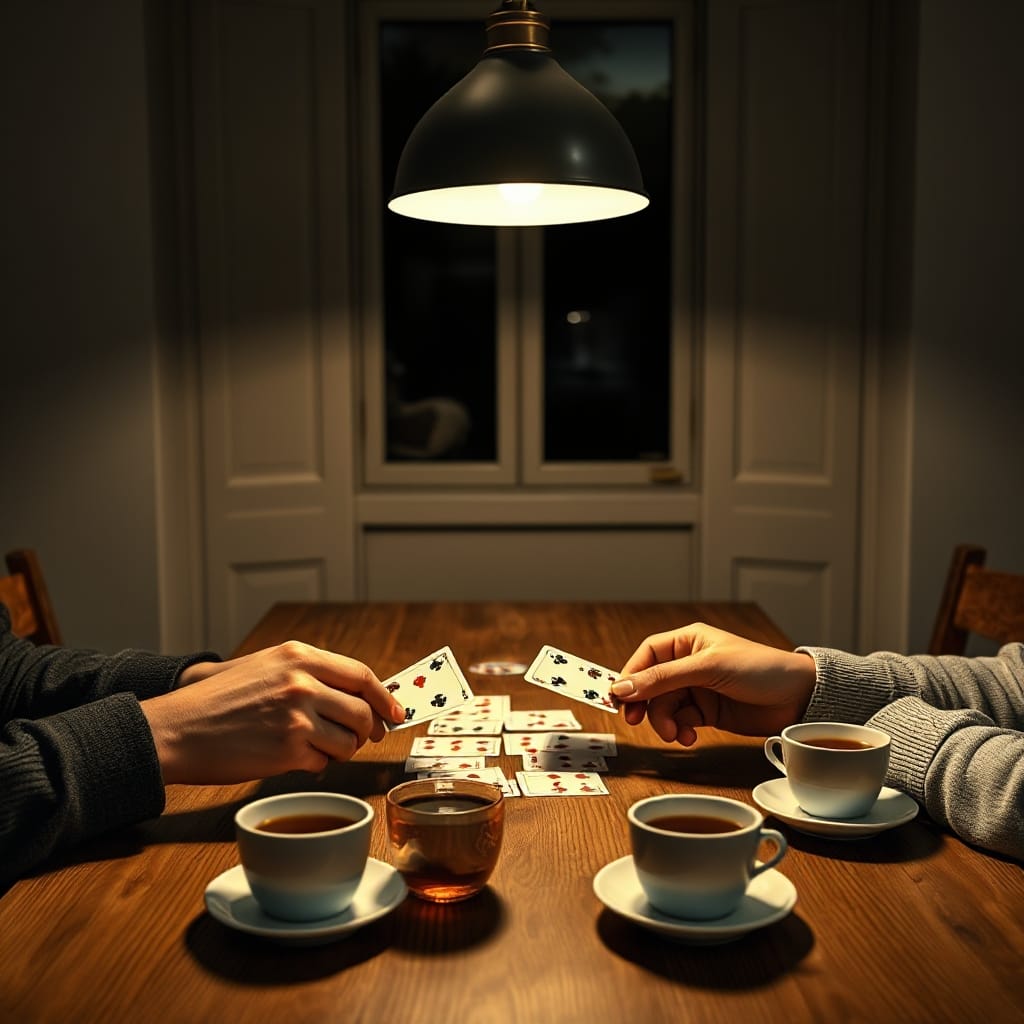
- My husband and I began playing cards after dinner, a game his grandmother taught him, which we now play almost every night.
- I went to bed earlier, often by 10 p.m.
What changed in my body
Again, I can only speak for myself. My sleep was the clearest difference. Within about a month I was falling asleep within fifteen minutes rather than lying awake for an hour. I woke before my alarm most mornings. I had fewer headaches, though I cannot say for certain the screens were the cause.
I also felt calmer in a hard-to-describe way. Evening news had been giving me a low background anxiety that I carried into bed. Without it, the world was still troubled, but I was hearing about it at breakfast, in daylight, when I could think about it more clearly.
Six months later
I ended the formal experiment in March but kept most of it. The television comes on two or three evenings a week now, and the tablet stays in the drawer. I am still knitting. My sister no longer thinks I am ill; she thinks I have become old-fashioned. I have decided to take that as a compliment.