Yesterday's Loaf, Today's Breakfast: Three Ways Europe Saves Stale Bread
A hard heel of bread is not waste. From Bologna to Barcelona to Paris, it has fed families every morning for centuries.

In my grandmother's house, throwing away bread was close to a sin. If a piece fell on the floor she picked it up, brushed it off and kissed it before putting it back on the table. Bread was the thing that stood between a family and hunger, and it was never wasted, not even when it went hard.
Every European kitchen I know has its own answer to the stale loaf. Most are dinners, like pappa al pomodoro or ribollita in Tuscany. But some of the best are breakfasts, and these are the three I make most often.
1. Pane e Latte, the Way My Father Ate It
This is barely a recipe, and it is the most comforting thing I know. My father grew up in the hills above Bologna in the 1950s, and his breakfast was always the same: yesterday's bread broken into a bowl of hot milk with a spoonful of sugar or a little barley coffee.
- Use a dense, crusty loaf, not soft sandwich bread.
- Warm the milk until it steams but does not boil.
- Let the bread soak for two minutes, so the crust stays slightly chewy.
On cold mornings I add a pinch of cinnamon. My father would call that showing off.
2. Pa amb Tomàquet, Learned in Barcelona
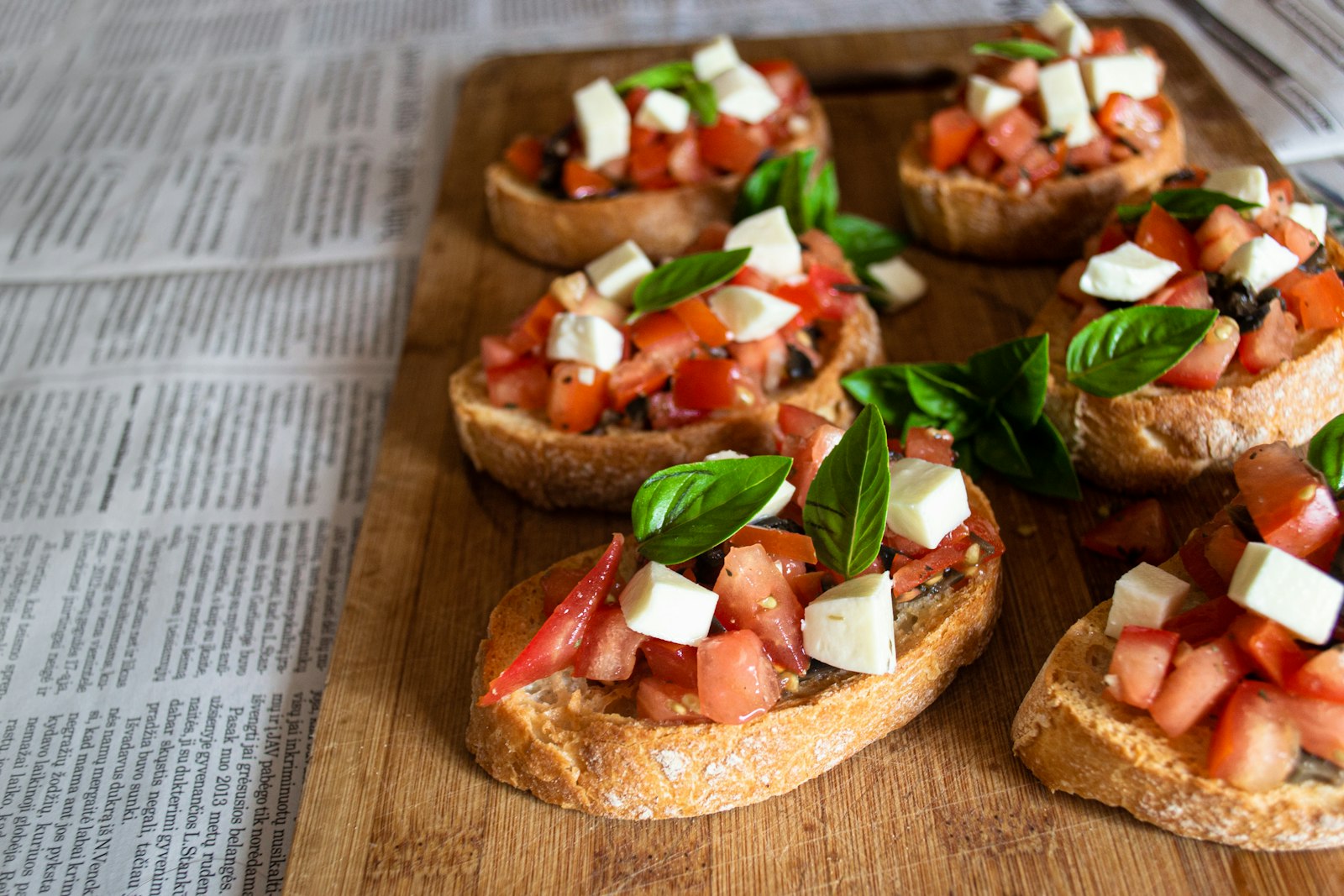
I first ate this in a tiny bar near the Boqueria market, where the owner rubbed the bread in front of me as if it were a ritual. In Catalonia, slightly stale bread is better than fresh, because it holds up to the tomato instead of turning to mush.
- Toast thick slices of yesterday's bread, ideally over a flame.
- Rub one side with a cut clove of garlic, very lightly.
- Halve a very ripe tomato and rub it hard into the bread until only the skin is left in your hand.
- Finish with a pinch of salt and plenty of good olive oil.
It is breakfast, snack and supper all at once. In summer, with a few slices of ham, it is my whole lunch.
3. Pain Perdu, or Lost Bread
The French name says everything: pain perdu, bread that was lost and then found again. The Spanish make a similar dish called torrijas at Easter, and the English have their own version too, but the idea is the same everywhere.
My Version
- 4 thick slices of stale bread
- 2 eggs and 200 ml of milk, beaten together
- A spoonful of sugar and the zest of half a lemon
- Butter for the pan
Soak the bread for longer than you think, a full minute on each side, and fry it slowly in foaming butter until it is deep gold. Serve with a spoonful of apricot jam or a dusting of sugar.
Stale bread is not a problem to solve. It is an ingredient waiting for the right morning.
When I stand at my kitchen counter with a hard loaf and a hot pan, I feel connected to every grandmother across Europe who refused to waste a crust. Their thrift became our breakfast, and it still tastes better than anything in a bakery bag.
Cover: Photo by Mike van den Bos on Unsplash.