How I Synthesise a Week of User Interviews in One Afternoon
A practical, timeboxed process for turning raw interview notes into findings your team will actually read and act on.

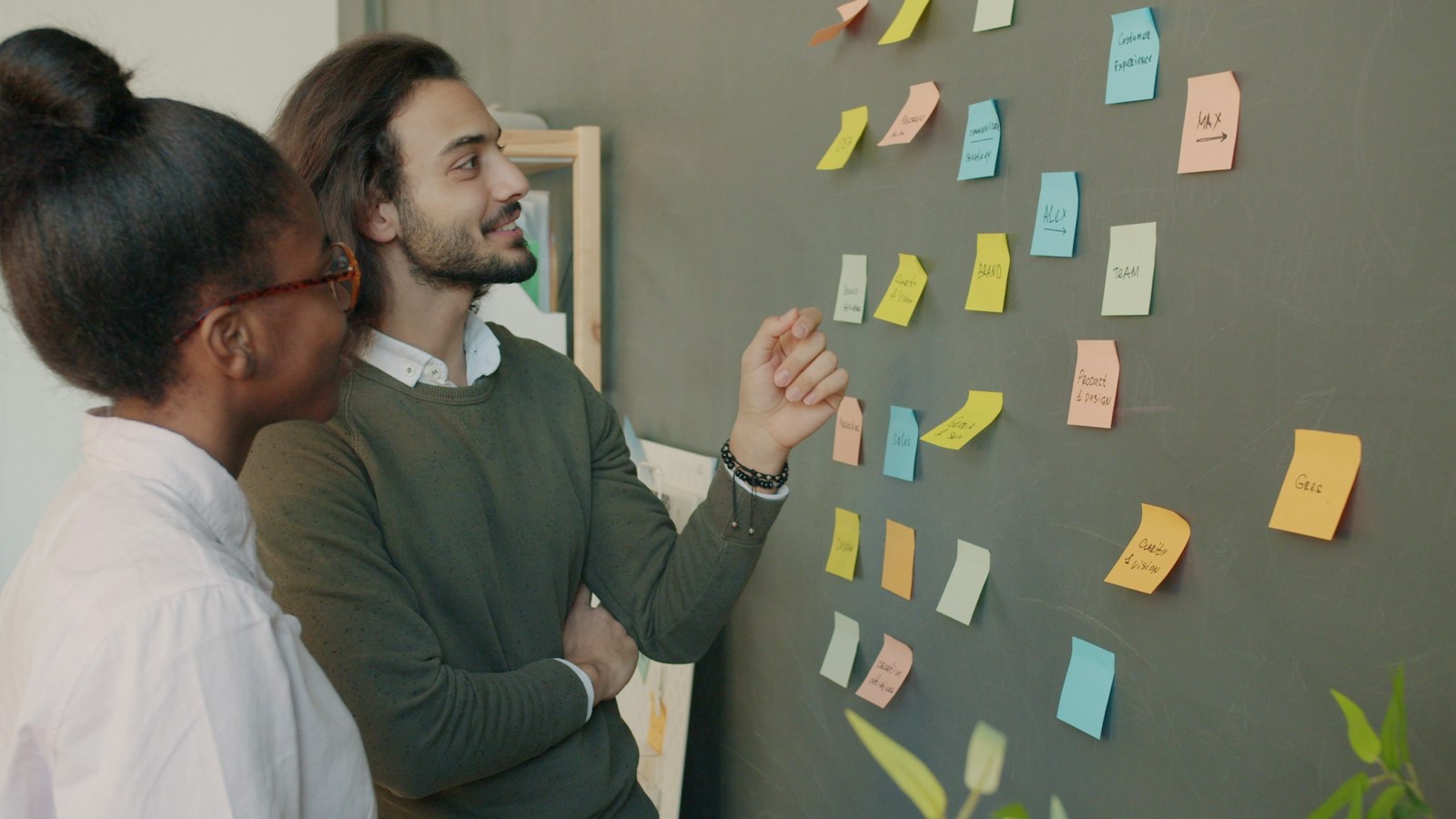
For a long time, synthesis was the part of research I dreaded. I would finish eight interviews on a Friday and spend the next week drowning in sticky notes, transcripts and half-written themes. By the time I presented, the team had already moved on.
Now I do most of it in a single, focused afternoon. Not because I cut corners, but because I set up the work so the afternoon is mostly assembly.
Before the afternoon: capture as you go
The secret is that synthesis starts during interviews. After each session, I spend fifteen minutes writing a short debrief while it is fresh:
- Three things that surprised me
- Direct quotes worth keeping, with timestamps
- Any behaviour that contradicted what the person said
- One open question I want to check with later participants
By the end of the week, I have eight short debriefs instead of eight hours of unprocessed recordings.
The afternoon, step by step
Here is how the four hours usually break down.
Hour one: pull observations
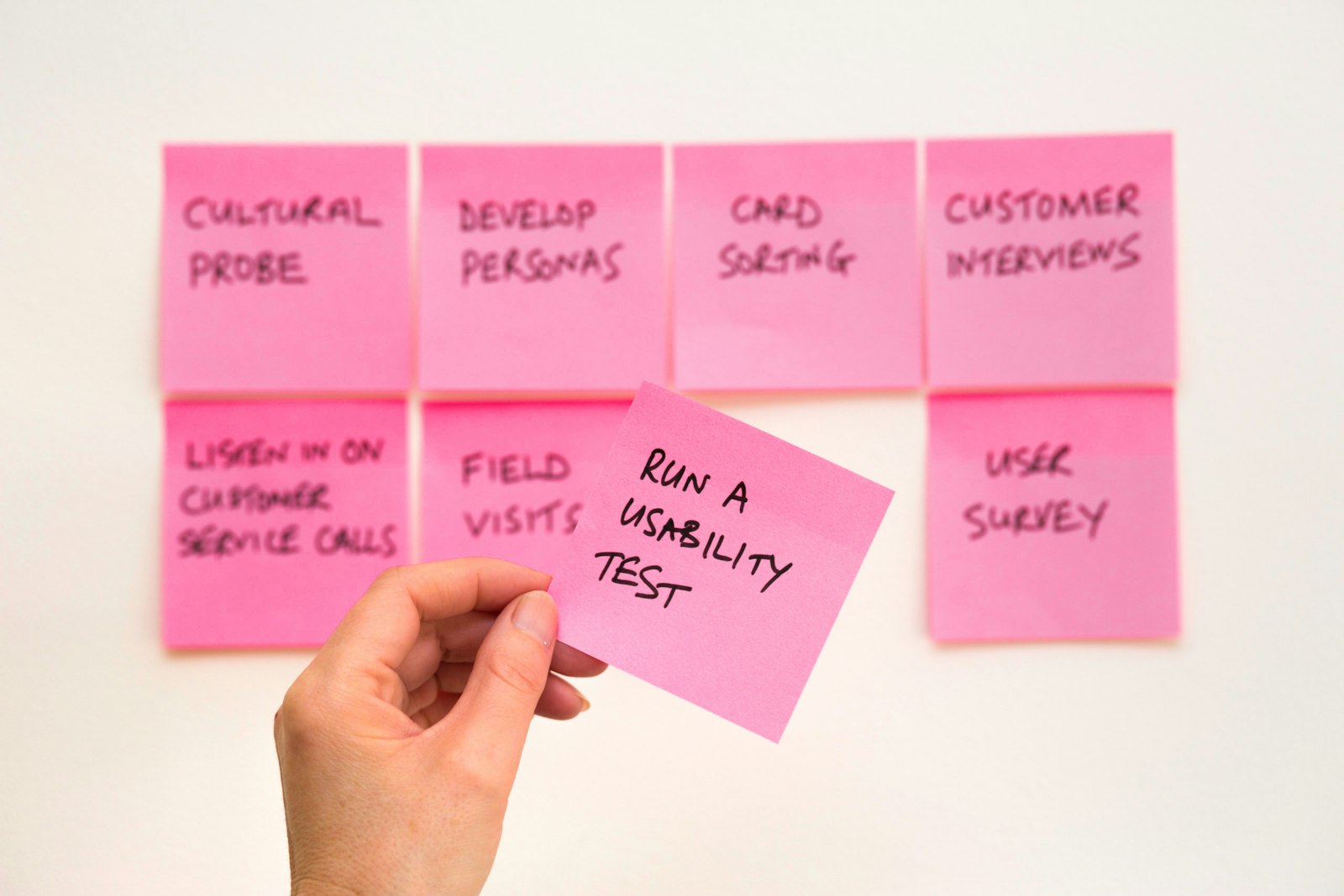
I go through each debrief and copy every distinct observation onto its own card, digital or paper. One idea per card. A typical week produces 80 to 120 cards. I tag each with the participant number so I can trace it back.
Hour two: cluster without naming
I group cards that feel related, without naming the groups yet. Naming too early forces cards into categories that may not fit. I just move things around until clusters stabilise. Usually I end up with 8 to 12 clusters.
Hour three: name and sharpen
Now I write a one-sentence insight for each cluster, phrased as a finding, not a topic. Not pricing, but people compare our price to a spreadsheet, not to competitors. Then I check each insight against the cards: does it hold for most participants, or just one vocal person?
Hour four: prioritise and draft
I rank insights by two questions: how many participants did this affect, and how much does it matter to the decisions the team faces now? The top five go into a short draft.

What the output looks like
My final document is rarely longer than two pages:
- The research question, in one line.
- Who we spoke to.
- Top five findings, each with one supporting quote.
- Recommended next steps.
- Open questions.
If your findings need a 40-slide deck, you probably have not finished synthesising yet.
Why timeboxing helps
Giving synthesis a hard boundary forces decisions. Without it, I would keep moving cards around indefinitely, chasing a perfect structure. With it, I deliver findings while the team still remembers why they asked the question, which is when research has the most influence.
Cover: Photo by Vitaly Gariev on Unsplash.