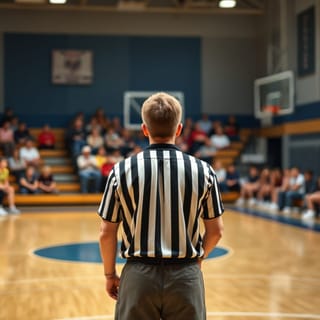
How to Lose a Championship Game Without Losing Your Team
We lost the state final by one point. What I said in the locker room afterward mattered more than any play I called.

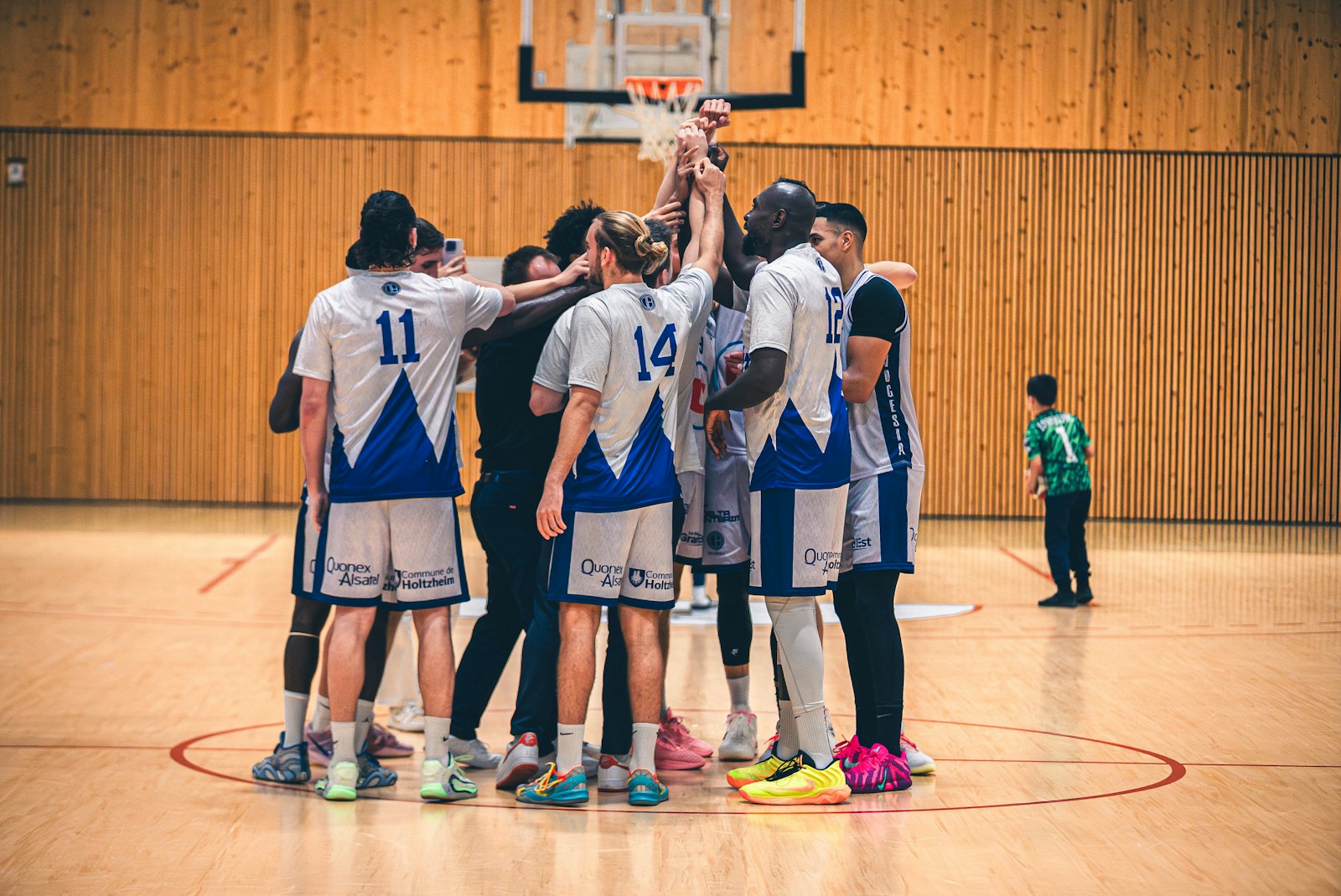
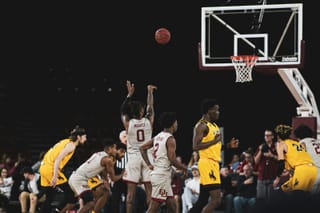
We lost the state championship last March by a single point on a shot that rolled around the rim twice before falling out. My players will remember that sound for the rest of their lives. So will I.
This isn't a post about the shot. It's about the forty-five minutes after it, which I think are the most important minutes a coach ever gets.
What I didn't say
I have heard plenty of post-loss speeches. As a player, I sat through some good ones and some terrible ones. The terrible ones usually included one of these:
- 'We'll be back next year.' The seniors won't be. It erases them.
- 'The refs took it from us.' It teaches kids that their effort depends on other people's fairness.
- 'If we'd just made our free throws...' Everyone in the room already knows exactly which free throws were missed. They don't need a coach to point.
I'd promised myself I wouldn't say any of those, no matter how tempting.
What I did say
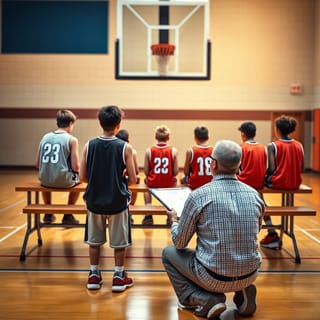
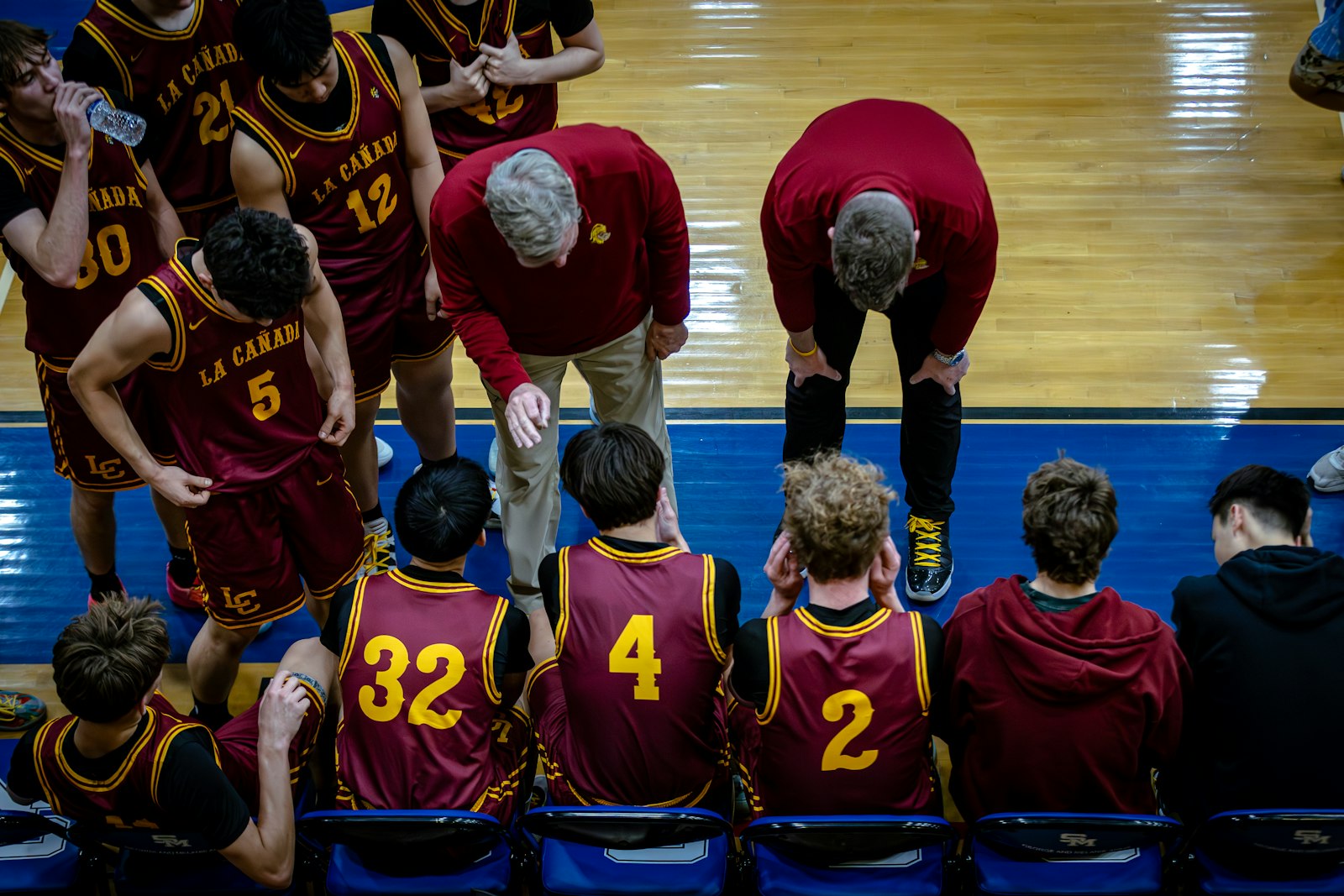
I waited. That was the first thing. For almost ten minutes, nobody said anything. A few players cried. A few stared at the floor. Our assistant coach looked at me twice as if to ask whether I was going to talk. I wasn't ready, and more importantly, they weren't.
When I finally spoke, I kept it to three things:
- I named the season, not the game. I listed specific moments: the comeback in December, the practice where our backup centre took four charges, the road trip where the bus broke down and we ran warm-ups in a parking lot.
- I spoke to the seniors directly. By name. One sentence each, about something they gave the program that no scoreboard records.
- I said the loss was mine to carry first. Not as false modesty. A coach's last-minute choices are part of every close game. I wanted them to hear that the weight didn't fall on the kid who missed the final shot.
The kid who missed
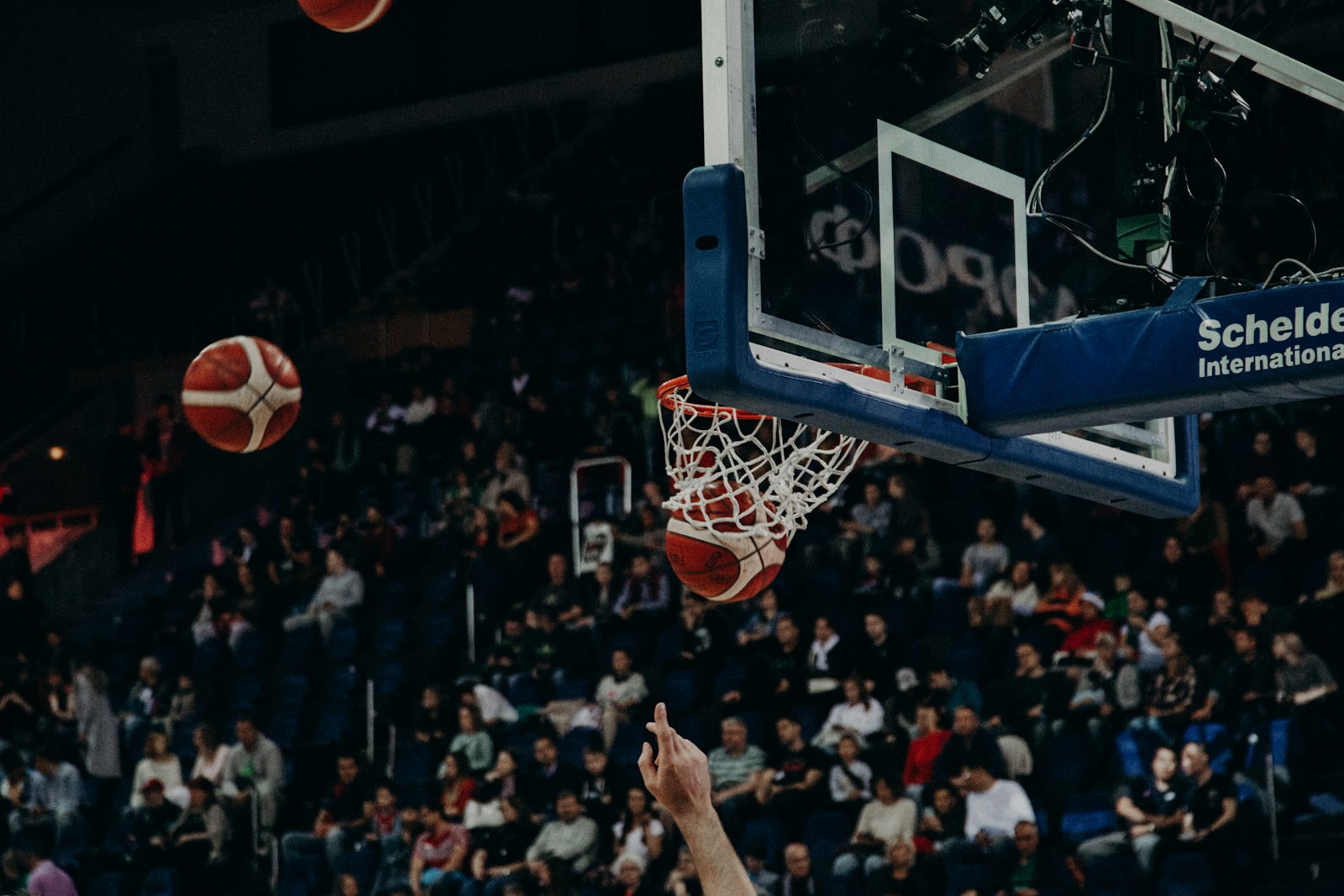
He was a junior. He sat at the end of the bench with his jersey over his head. After the team left, I sat next to him and didn't say anything for a while. Then I told him I would draw up the same play for him tomorrow, and the day after that, and every time we needed a basket.
He made eleven game-winning or game-tying shots for us the following season. I'm not claiming my sentence did that. I think it helped him believe he was allowed to try again.
The real measure
You find out what kind of team you have when you win. You find out what kind of program you have when you lose. Ours showed up to summer workouts with every returning player, on time, on the first day. That is the trophy I'm proudest of.
Cover: Photo by Simon Kessler on Unsplash.