I Sat Through Our School Board's Budget Hearing. Here Is Where the Money Actually Goes
Most of a school district budget is decided long before anyone stands at the microphone.

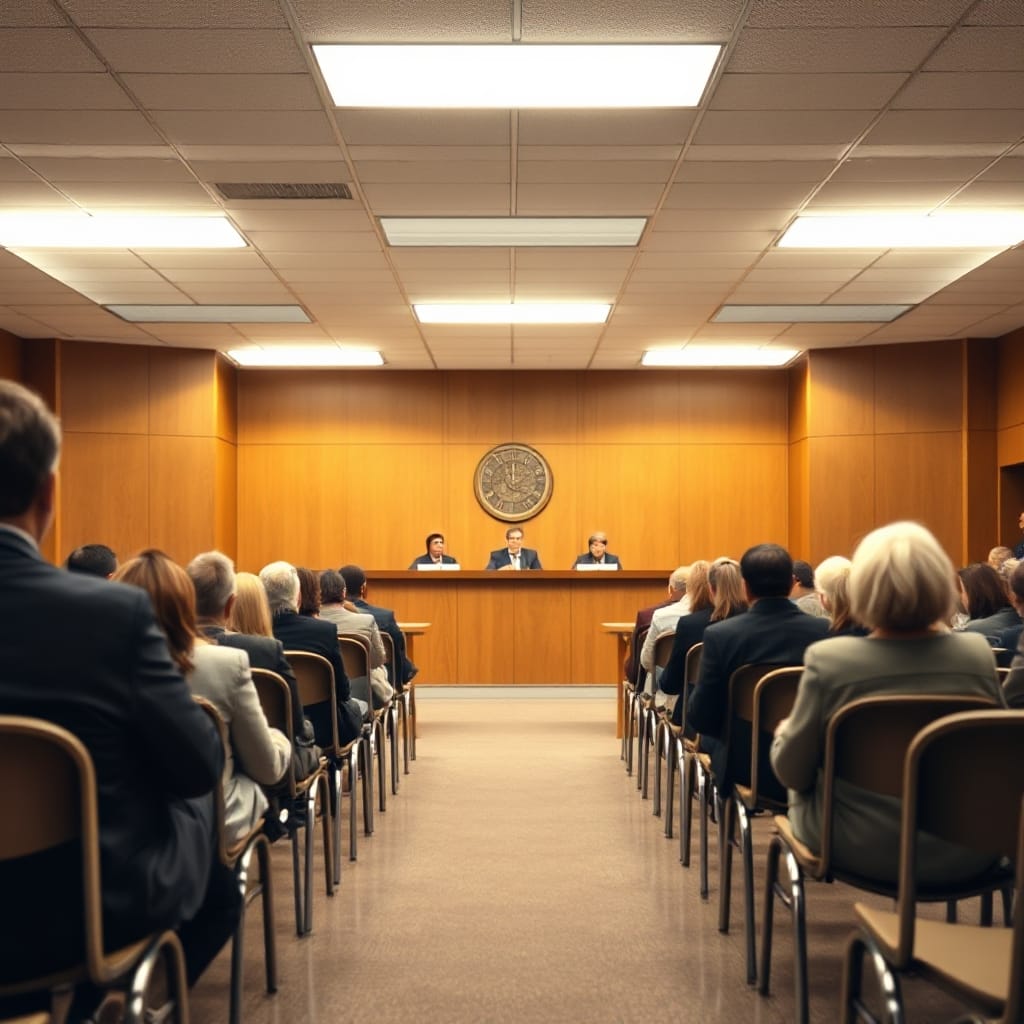
Every spring our school board holds a public budget hearing. Last year eleven people showed up, including me, two reporters and a man who wanted to talk about the football field lights. The district budget being discussed was about 190 million dollars.
I teach in this district, so I have a stake. But I also realized I could not explain to my own students where that money goes. So I read the full budget document, all 214 pages, and asked a lot of questions. Here is what I learned.
Most of the money is people
In our district, roughly 75 to 80 percent of operating spending goes to salaries and benefits. That is teachers, aides, bus drivers, cafeteria staff, custodians, counselors and administrators. When people talk about cutting waste, they often imagine fancy offices. The real budget is mostly paychecks and health insurance.
Health insurance alone has been rising faster than almost anything else. A small percentage change in premiums can cost the district more than the entire budget for textbooks.

Many costs are locked in
A lot of the budget is not really up for debate at the hearing. Salaries are set by contracts negotiated with unions, often for three years at a time. Special education services are required by federal and state law, and the cost depends on the needs of individual students. Debt payments on buildings were decided by voters years ago through bond issues.
When you subtract all of that, the part the board can realistically change in a given year is surprisingly small. Our treasurer estimated it at less than 10 percent.
Where the money comes from
Our revenue comes from three main places:
- Local property taxes, approved by voters through levies.
- State funding, calculated by a formula that considers enrollment and the local tax base.
- Federal money, much of it tied to specific programs like school meals or support for low-income students.
Because a big piece comes from voter-approved levies, the district plans years ahead for when it will need to ask voters for more. A failed levy can mean bigger class sizes two years later.
Why the hearing feels empty
By the time of the public hearing, the board has had several work sessions where the details were discussed. Those are also public, but they happen at 4 p.m. on weekdays, and almost nobody comes. The hearing is a legal step, not really where decisions are made.
If you want to influence a school budget, my advice is to show up in the fall and winter, at the work sessions, when priorities are still being set. Ask for the five-year forecast; most states require districts to produce one. Read the summary pages first.
The man with the football lights did, in fact, get a response. The board said the lights were funded from a separate capital fund. He seemed satisfied. I went home and started making a lesson plan.