I Was a Poll Worker for Eleven Elections. Here Is What Happens After the Doors Close
The last voter leaves at 7:30 p.m. My night is only halfway done.

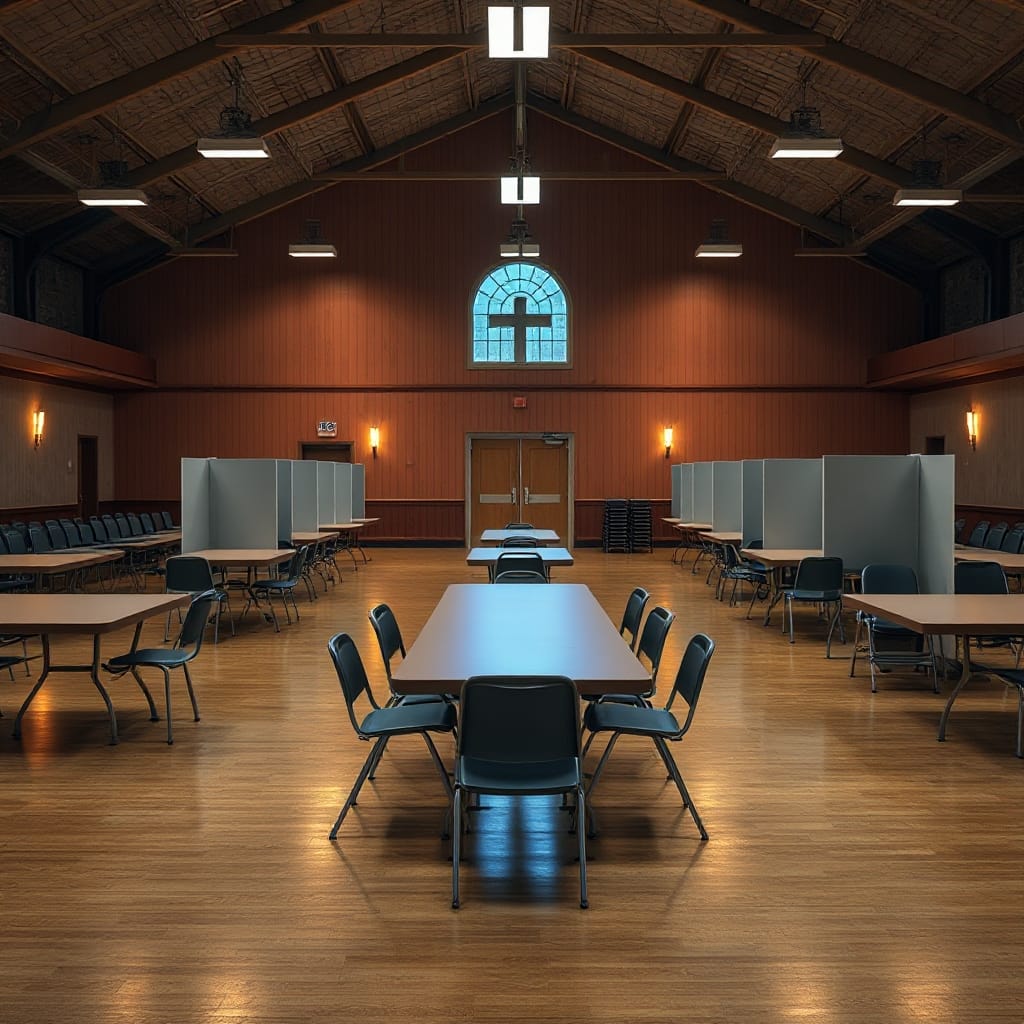
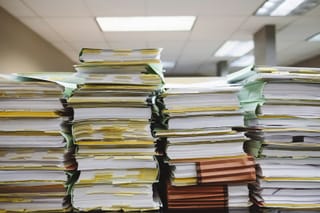
People ask me what the hardest part of being a poll worker is. They expect me to say angry voters or long lines. Honestly, it is the paperwork at 8:15 p.m., when you have been standing since 5:30 in the morning and the numbers on two forms do not match by one.
I have worked eleven elections at the same precinct in a church fellowship hall on the west side of Dayton. I started because my civics students kept asking me how voting "really works," and I realized I could only describe it from textbooks.
Everything is done in pairs
The single most important thing to understand about how a polling place closes is that almost nothing is done by one person alone. In my county, poll workers are recruited so that each precinct has a balance of people from different political affiliations, and the key tasks require two workers who are not from the same side.
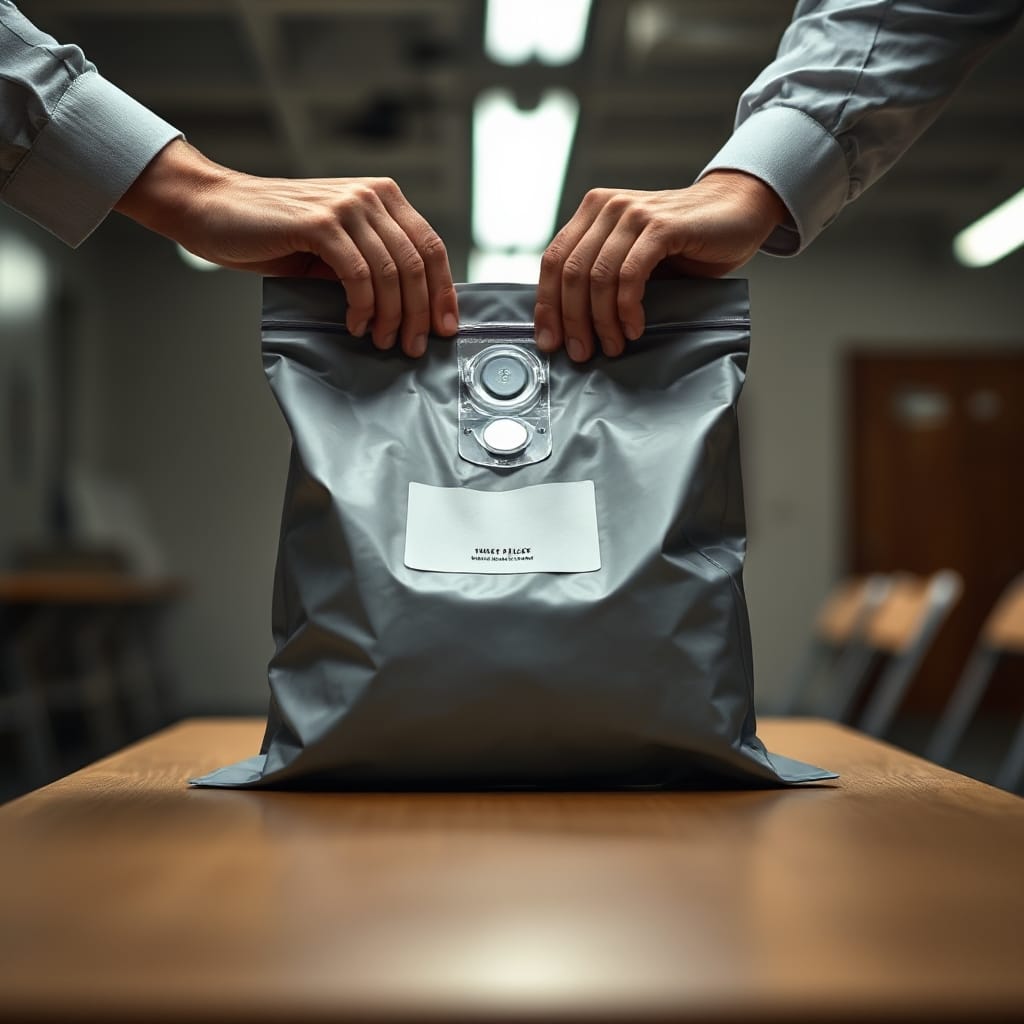
When we close the voting machines, two of us stand there together. When we seal the bag of ballots or the memory cards, two of us sign the seal log. When the supplies are driven back to the board of elections, two people ride in the car. It is slow, and it can feel excessive at the end of a fourteen-hour day. It is also the reason I trust the process.
The reconciliation
After the polls close, we have to reconcile. That means comparing several numbers that should all agree:
- How many voters signed in on the poll book.
- How many ballots the tabulator says it counted.
- How many provisional ballots we issued, which go in a separate envelope.
- How many unused and spoiled ballots are left.
If they do not match, we stop and find out why. One night we were off by one. After forty minutes we found it: a voter had spoiled a ballot by making a mistake, received a new one, and the spoiled ballot had been put in the wrong envelope. We documented it on a form designed for exactly that situation.

The drive downtown
Once everything is sealed, the presiding judge and a worker from the other side drive the materials to the county board. There is a line of cars there late at night, each pair of poll workers waiting to hand over their sealed bags. Staff check the seal numbers against the logs, sign for them, and the chain of custody continues inside the building.
What I tell my students
I bring my students the blank versions of our forms every fall. They are always surprised how ordinary it all is. No magic machines, no secret rooms. Just neighbors, many of them retirees, checking each other's work late into the night.
The most common thing voters say to me at 7:29 p.m. is "Thank you for doing this." The most common thing I say back is "Come do it next time." Every precinct I know is short of workers, and the system depends on regular people being willing to stand there for fourteen hours.