My Father's Toolbox Taught Me More About Patience Than Any Book
He left me a battered metal box of tools and, without meaning to, a way of working I am only now learning.

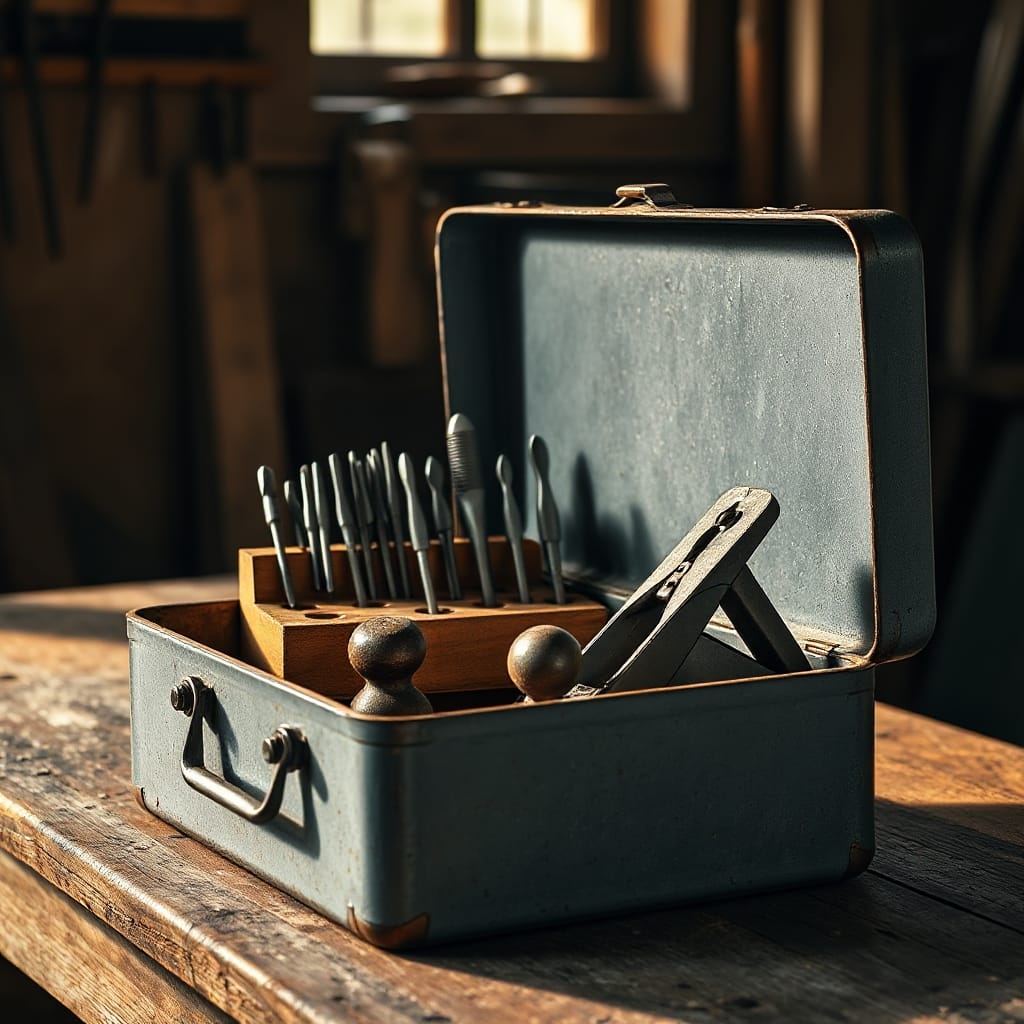
When my father died four years ago, my brothers took the watches and the photographs. I asked for the toolbox. It is a grey metal case with a dented lid, rust around the hinges and a smell of machine oil that hits you the moment it opens. He kept it under the stairs for forty years.
I thought I wanted it for sentimental reasons. I did not expect it to change how I approach almost everything I do with my hands, and slowly, things I do without them.
Everything had a place, and a reason
The first thing I noticed was the order. Each screwdriver lay in a groove he had cut into a strip of wood. The drill bits were sorted by size in an old cigar box, and someone, presumably him, had written the sizes on the lid in pencil so faint I can barely read it. Nothing was new. A hammer had a replaced handle. A saw had been sharpened so many times its teeth were short.
My own tools, by contrast, lived in a plastic crate. When I needed a hex key I tipped the whole thing onto the floor.
The bookcase that took three weekends
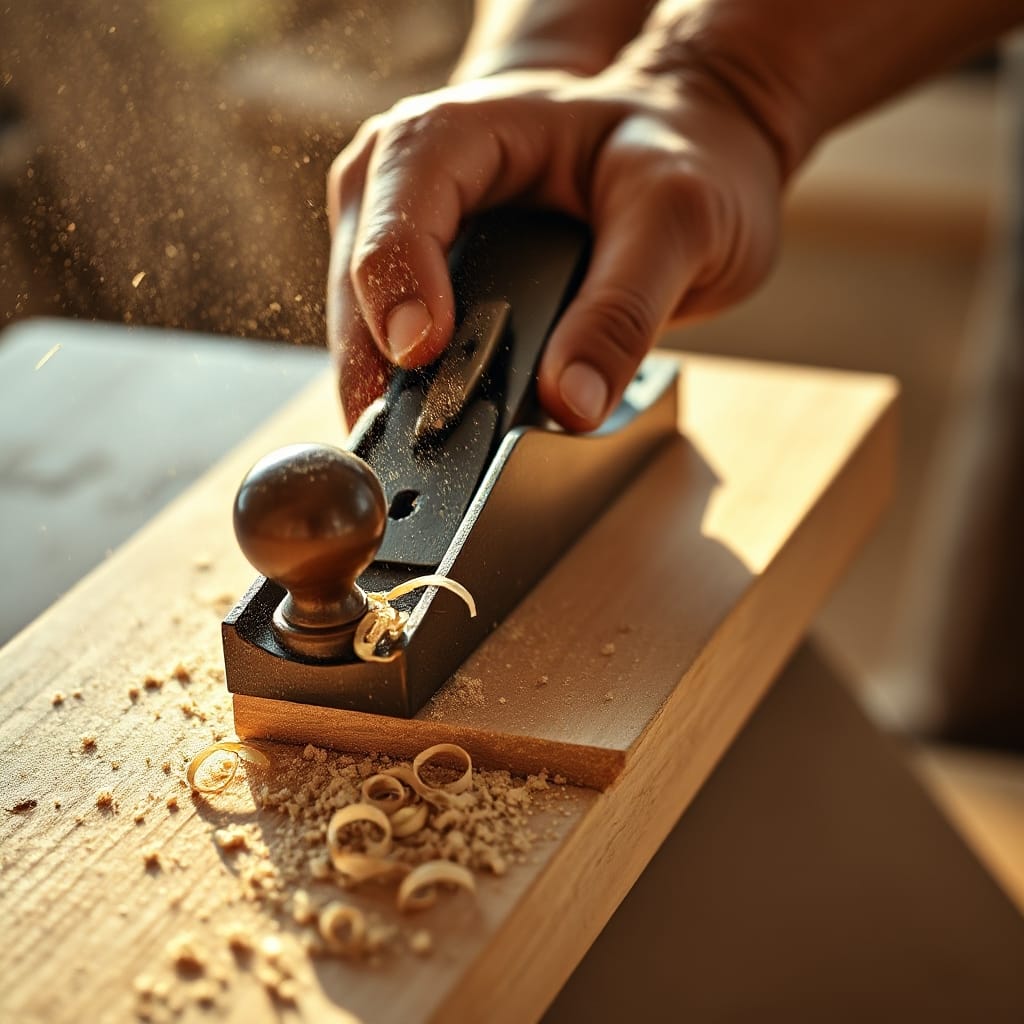
The first project I did with his tools was a small bookcase for my daughter. I am a planner by trade and I gave it one Saturday. It took three.
His hand plane would not work the way I pushed it. I kept forcing it and it kept tearing the wood. Eventually I found an old notebook in the bottom of the box with a few lines about setting the blade, written in his tidy Dutch. The advice amounted to: take less, more often. Thin shavings. Check after each pass.
That sentence has followed me around ever since.

Take less, more often
At work I used to fix problems in large, dramatic changes. A new process, a new system, a weekend of overtime. Most of those changes tore the wood, so to speak. People resisted, details were missed, and we ended up repairing the repair.
Over the last two years I have tried my father's approach. Small adjustment, then check. When one of our depots had chronic late departures, I did not redesign the schedule. I moved the first loading slot by fifteen minutes, waited two weeks, and looked at the numbers. Then another small change. After five rounds, on-time departures went from 71 percent to 89 percent, and nobody felt bulldozed.
Maintenance as a kind of respect
The other thing the toolbox taught me is care. My father oiled his tools after every use. I used to think that was fussiness. Now I do it too, and I find the ten minutes at the end of a project oddly calming. You are not making anything. You are just making sure the next thing can be made.
I have started treating other parts of life the same way: the bike chain on Sunday evening, the five-minute tidy of my desk on Friday, the phone call to my mother every week whether or not there is news.
What I hope to pass on
My daughter is ten. Last month she asked to use the small saw, and I showed her how to let it do the work instead of pushing. She was impatient, as I was, as presumably he was once. She will probably take the watches when I am gone. I hope she takes the box.