Selling My Car in Utrecht Gave Me Back Four Hours a Week
We expected to miss it. Instead we found time, money and a different relationship with our own city.

We sold our car on a wet Saturday in March, to a student who paid in a bank transfer and drove it away with the radio already too loud. My wife and I stood on the pavement feeling like we had just given away a dog. Our kids, eleven and eight, asked how we would get to their grandmother's.
That was eighteen months ago. We have not bought another one, and I want to explain why without pretending it is the right choice for everyone.
The numbers that pushed us
The car was a nine-year-old estate. When I added up insurance, road tax, parking permit, fuel, maintenance and depreciation, it cost us about 4,300 euros a year. We were using it roughly twice a week, mostly for supermarket runs and the occasional trip to my mother-in-law in Zeeland.
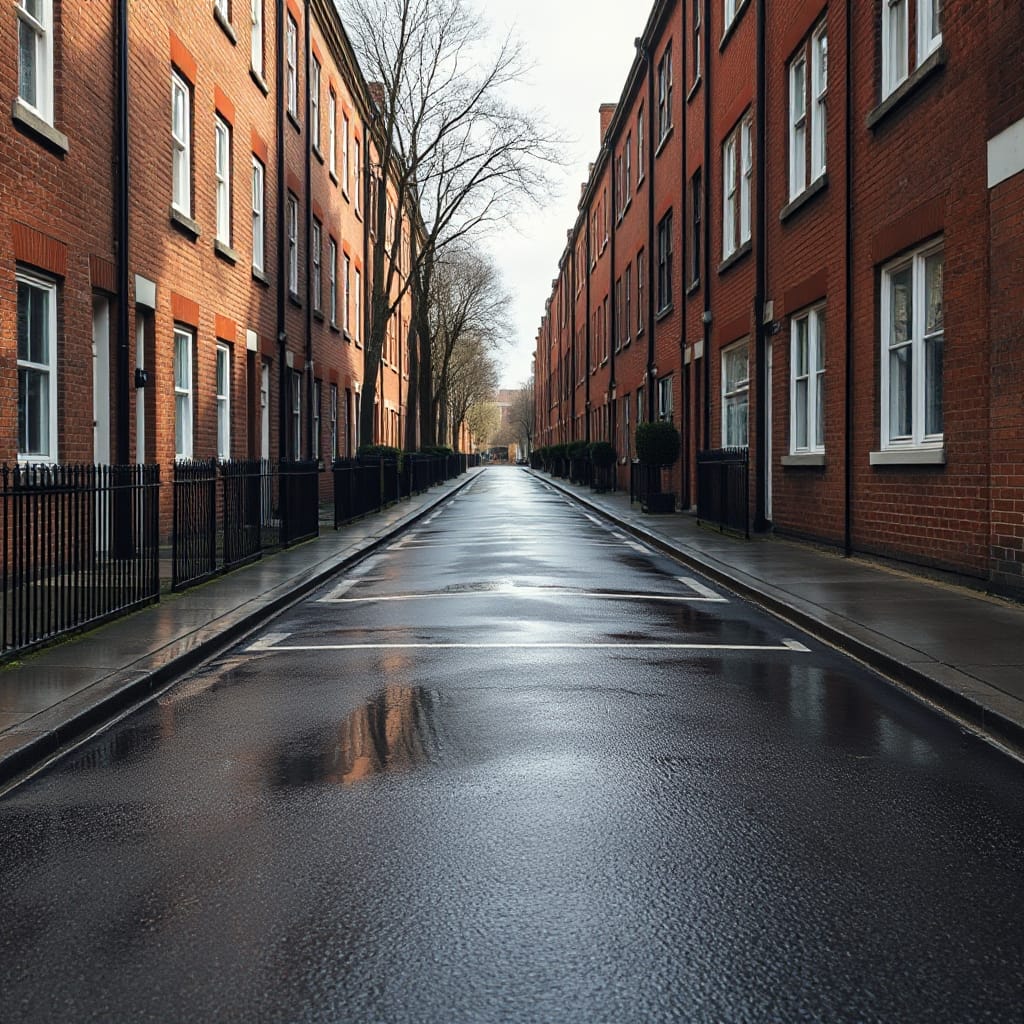
I also tracked the time. Finding parking in our neighbourhood, driving across town in traffic, then finding parking again: on average the car was saving us almost nothing for trips inside the city, and sometimes costing us. The bike was faster to the centre by about seven minutes.
What replaced it
We did not go heroic. We use:
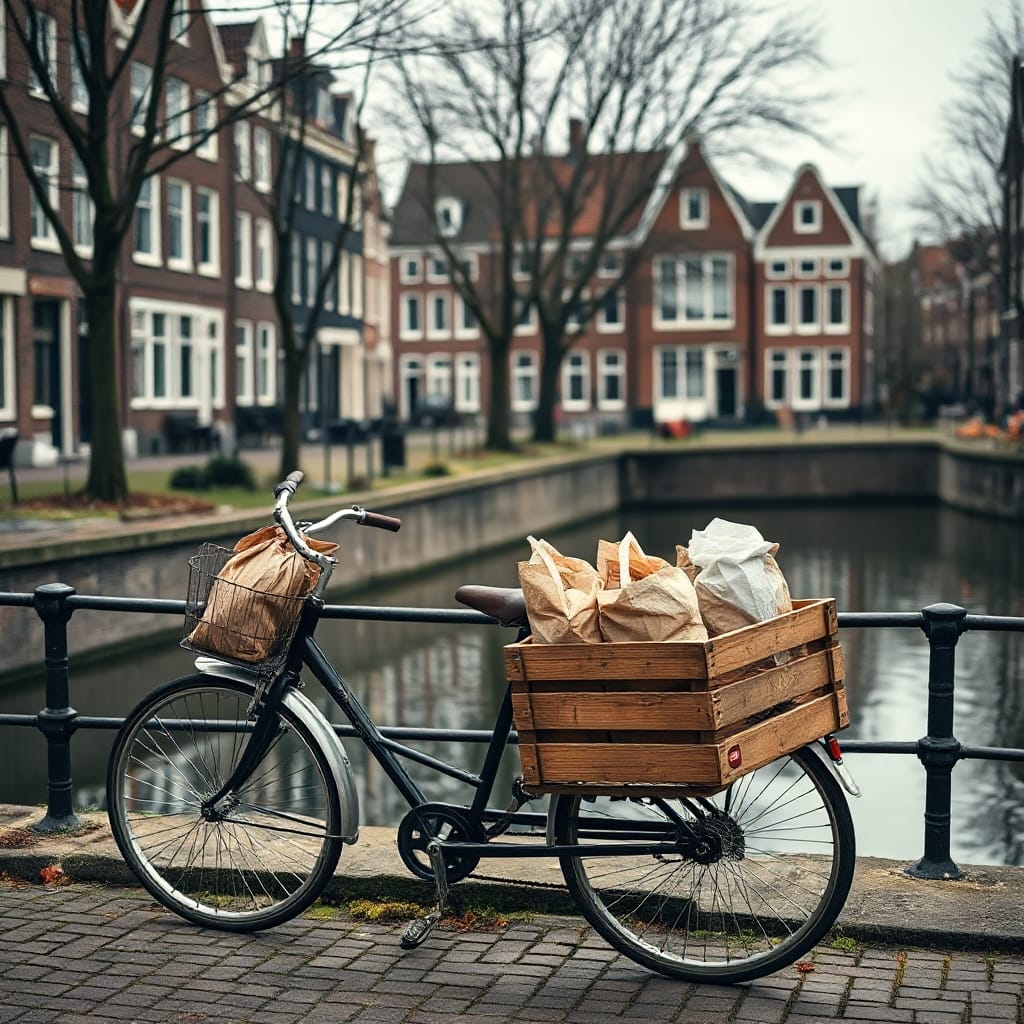
- A cargo bike, bought second-hand for 1,600 euros, which carries the weekly shop and occasionally both children.
- A shared car from a street-corner scheme, booked about three times a month, mostly for Zeeland or the furniture store.
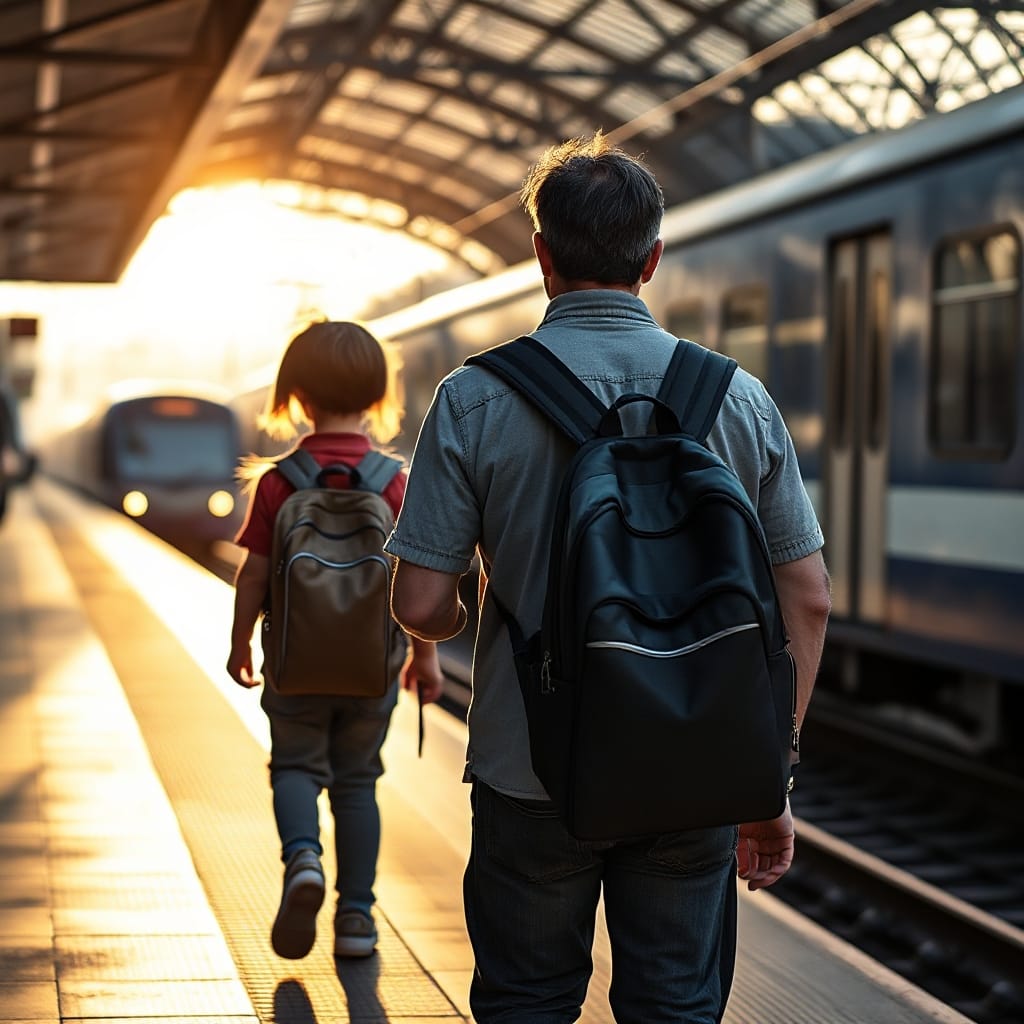
- The train, which my kids now treat as a small adventure rather than a chore.
Our total transport cost last year was a little under 1,900 euros, including the bike repairs and the shared car.
Where the four hours came from
This is the part I did not predict. I used to spend time on the car without noticing: washing it, taking it for inspection, moving it when the street was cleaned, circling for spaces on Saturday afternoons. When I wrote down a typical month, it came to around sixteen hours. Four a week.
Some of that time is now spent cycling, which I count as a gain because it is also my exercise. Some simply disappeared. On Saturday mornings I no longer do errands across town. We do them on the way to other things, or not at all.
The days it is hard
I will not pretend it is always pleasant. Cycling to the swimming pool in February sleet with an unhappy eight-year-old is not a lifestyle advertisement. Twice the shared car was unavailable when we needed it, once for a hospital visit, and we took a taxi that cost more than I like to remember.
Visiting family is also more planning. We cannot leave on a whim. My mother-in-law has had to get used to us arriving by train with backpacks and leaving before dark.
What it changed about the city
The strangest effect has been on how well I know Utrecht. On a bike, you notice the bakery that opens early, the man who repairs chairs in his front room, the shortcut along the canal that floods after heavy rain. My son now navigates to his football club alone, which he could never have done from the back seat.
We live in a dense, flat Dutch city with good trains, and I am aware that this makes us lucky. But I suspect many families keep a car because they always have one, not because they have checked. We checked, and the answer surprised us.