Why Your Polling Place Moved, and the Paperwork Behind It
Moving a polling location sounds simple. It involves accessibility audits, contracts and a lot of postcards.

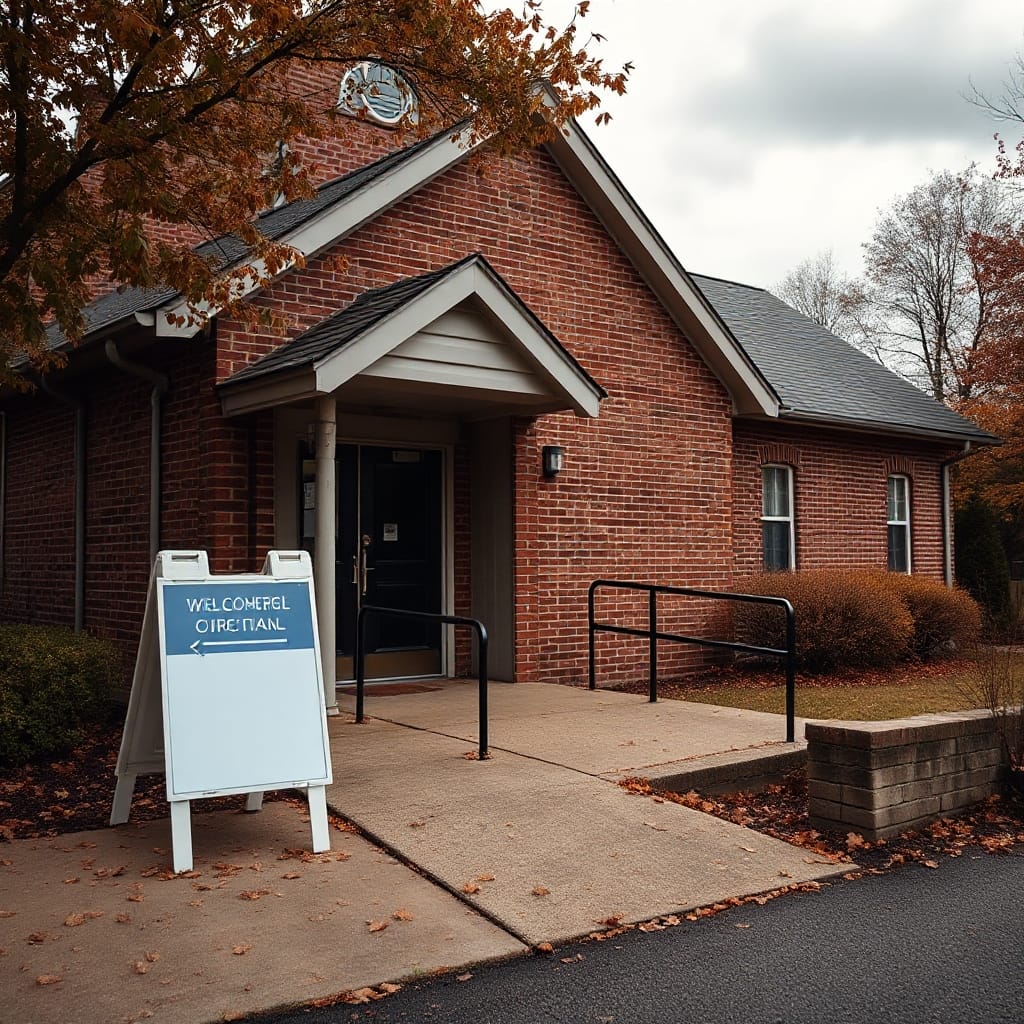
A few years ago my precinct moved from an elementary school gym to a church fellowship hall about a mile away. Several neighbors were upset. Some suspected the change was meant to make voting harder. One woman told me she had voted in that gym for 31 years.
I was curious too, so I asked the county board of elections how polling places are actually chosen. The answer involved a tape measure, a ramp and the problem of school security.
Who chooses the location
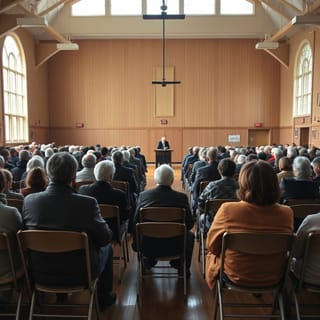
In my state, each county has a board of elections, made up of members from the two largest parties, supported by staff. The board approves the list of polling locations. Staff do most of the scouting and recommend sites. Any change must be voted on by the board in a public meeting, and both sides need to agree for it to pass.
That bipartisan structure surprised many of my neighbors. A move cannot easily be pushed through by one side alone.
The accessibility checklist
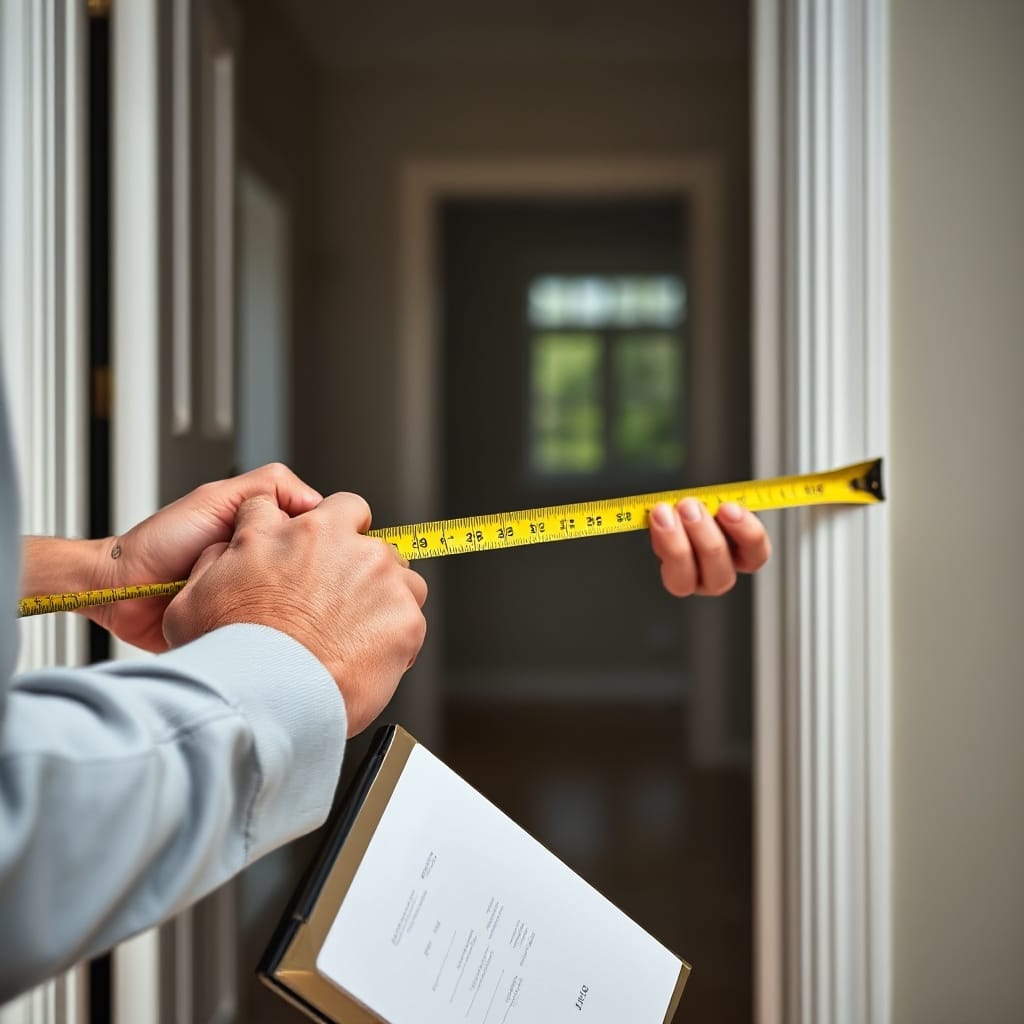
Federal law requires polling places to be accessible to voters with disabilities. Staff visit each site with a checklist and measure things most of us never notice:
- Parking spaces with the right width and access aisles.
- The slope of ramps and the path from parking to the entrance.
- Door widths and the force needed to open them.
- Space inside for a wheelchair to turn around at the voting booth.
Our old gym failed on two counts after a renovation changed the entrance. The new route included a slope that was too steep. Fixing it would have required the school to pour new concrete.
Schools are harder to use than they used to be
The bigger factor was security. Many school districts have become reluctant to host polling places on days when students are in the building, because it means letting hundreds of unscreened adults in. Some districts now close on election day; others ask counties to find other sites. Our district asked.
Churches, libraries, fire stations and community centers are the usual alternatives. They need parking, enough electrical outlets, internet or phone access for the poll books, and a space that can be locked overnight before election day.
How voters are told
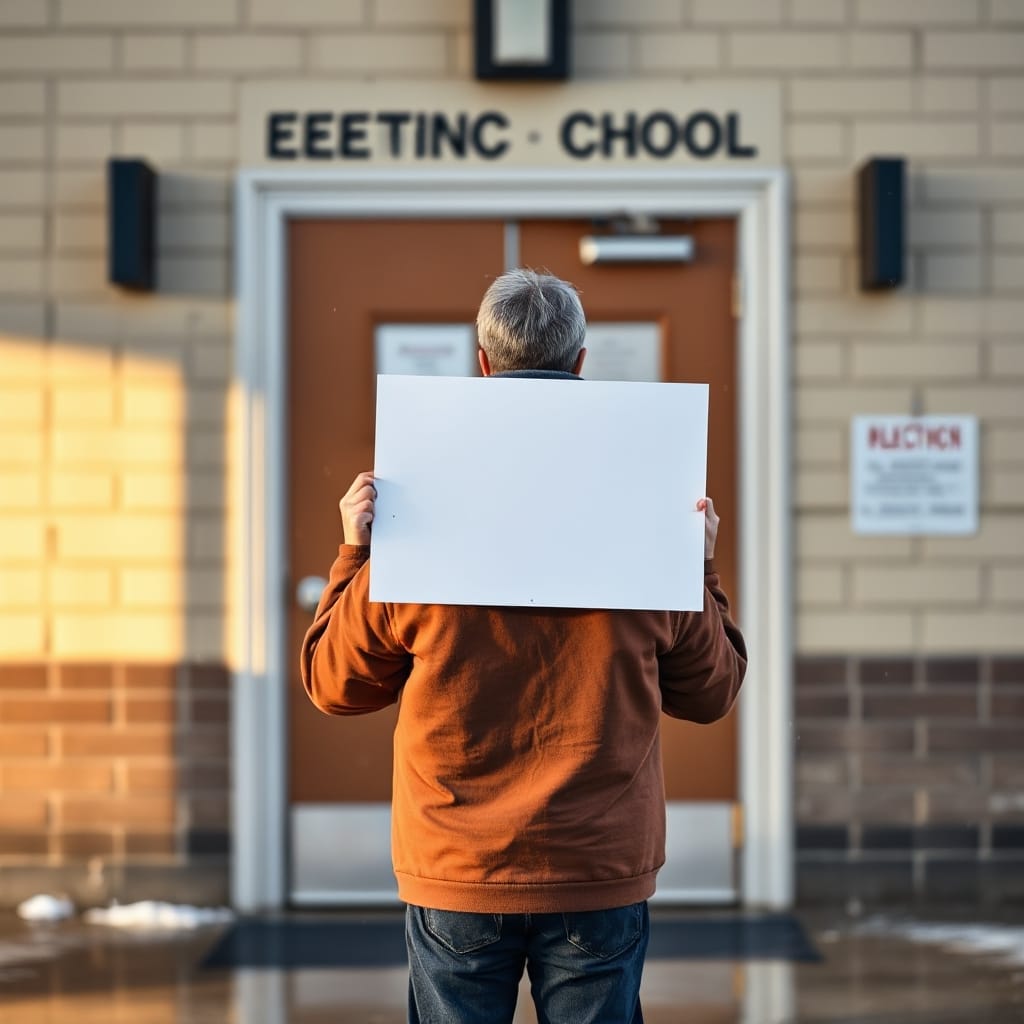
By law, voters affected by a change must be notified. Our county mailed postcards to every registered voter in the precinct, posted signs at the old location on election day, and updated the online lookup. Even so, about 40 people showed up at the old gym. A poll worker stood outside all day with a sign and directions.
What I took from it
The woman who had voted in the gym for 31 years came to the new location in the afternoon. She said the parking was better. She still missed the gym. Both things can be true.
If your polling place moves, the minutes of your county board meeting will usually explain why. They are public, and they are more interesting than you would think.