The Dutch Meeting Habit That Cut Our Decision Time in Half
A simple list of decisions, written during the meeting, ended our endless discussions.


Dutch work culture has a reputation for directness and for meetings. Both are deserved. When our company grew from six to twenty-five people, we had plenty of directness and far too many meetings. People would argue thoughtfully for an hour, leave the room feeling productive, and then nobody could remember what had actually been agreed.
The fix came from my co-founder's previous job at a municipal office, of all places. It is called a besluitenlijst, which simply means a list of decisions. It is the least exciting tool I have ever introduced and one of the most effective.
How it works
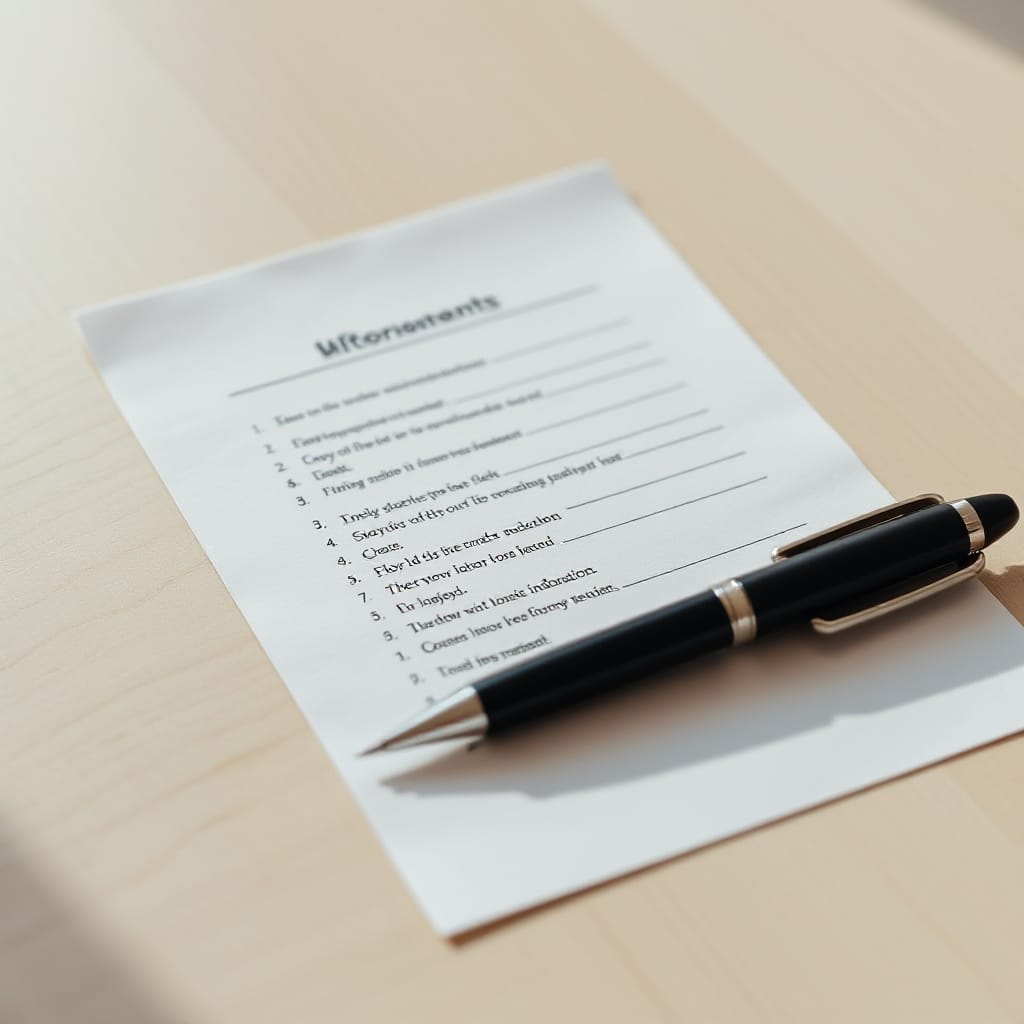
In every meeting with more than three people, one person keeps a shared document open. They do not take minutes. They only write down decisions, in a fixed format:
- What was decided, in one sentence.
- Who owns it.
- By when.
If a discussion ends without anything to write down, the note-taker says so out loud: "We have no decision on this." That sentence turned out to be the magic part.
Why saying "no decision" matters
Before the list, we would often talk around a topic for twenty minutes and move on, each person assuming a slightly different outcome. Our engineers thought we had agreed to delay a release. Our sales lead thought we had agreed to ship it with a warning. Nobody was lying. The conversation simply never landed.
Hearing "we have no decision on this" forces the room to choose. Either we decide now, or we agree on who will decide and when. Very often, someone just says, "Fine, let's ship it Thursday, and Anouk owns the customer email." Thirty seconds, done.

What changed in numbers
I am a numbers person, so I tracked this informally for three months before and after. I counted how often a topic came back to a meeting after supposedly being settled. Before the list, it was roughly one in three topics. After, it was closer to one in ten.
We also shortened our standard meeting slot from sixty to forty-five minutes, because the second half of most meetings had been people repeating earlier points. Across the team, that freed up something like thirty hours a week.
The rules that keep it working
A few small rules made the difference between a nice idea and a habit:
- The list lives in one shared place, not in individual notes.
- Each decision gets a date, even if it is approximate.
- At the start of the next meeting, we read the open items from the previous list. Only the open items, never the whole thing.
- The note-taker rotates, so it never becomes one person's chore.
The one downside
Some people found it uncomfortable at first. Our more senior hires, especially those from larger companies, were used to meetings as a place to align and build relationships, not to make choices. One of them told me it felt "bureaucratic."
I understand that. We still have plenty of informal conversations. But when we gather six people for an hour, that hour costs us real money, and it should produce something more than a good feeling. A short list of decisions is the least we can ask for.