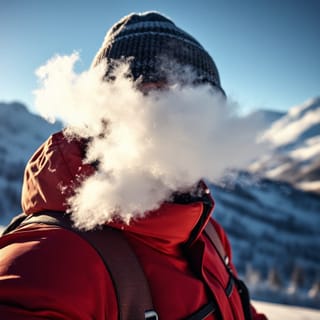
I Skied 54 Kilometres at 40 and Finished Behind a 71-Year-Old
A long-distance ski race taught me that pacing, not fitness, is what most of us are missing.

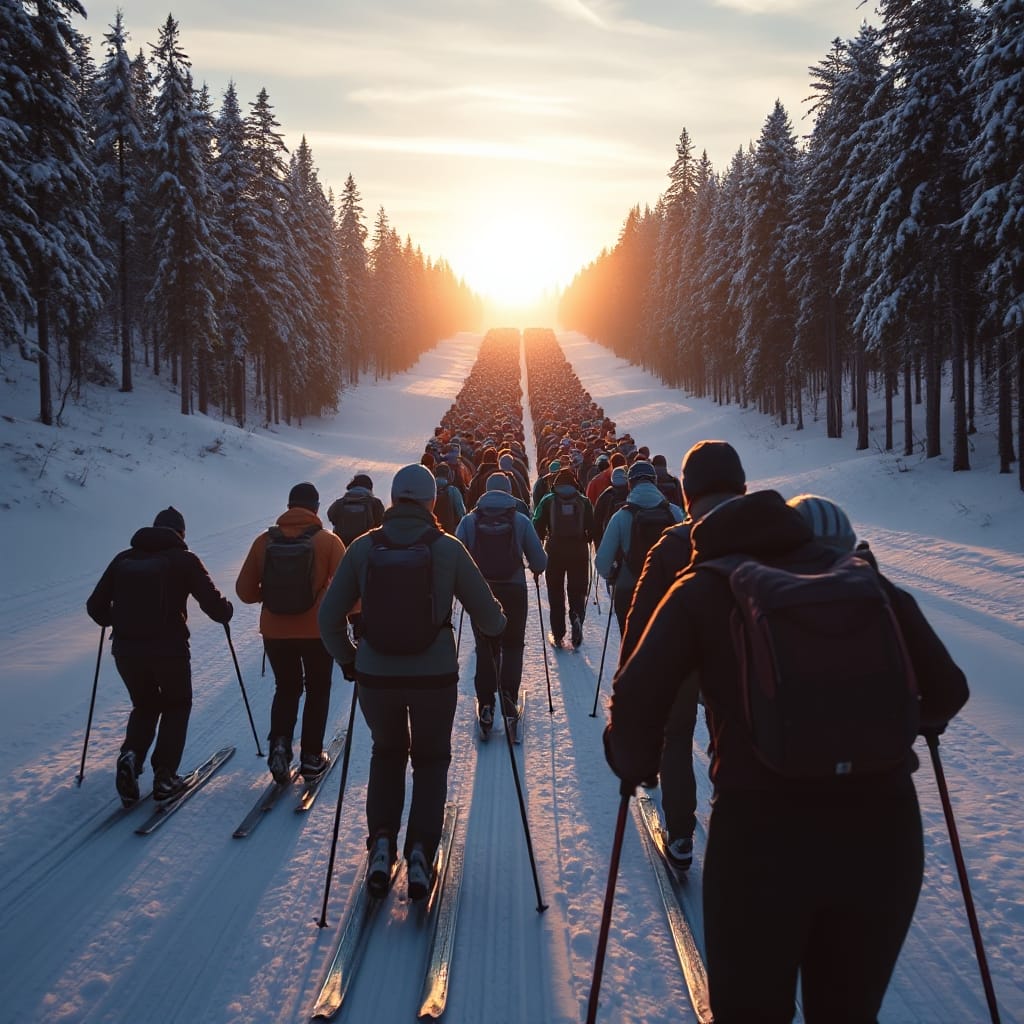
The start pen smelled of klister and coffee. Around me stood about four thousand people in tight suits, most of them older than me, many of them visibly calmer. I had trained for eleven weeks, mostly on dark weekday evenings under the floodlit loop near our hospital, and I felt ready in the way you feel ready before an exam you have only half studied for.
Seven hours and twelve minutes later I crossed the finish line. Twenty minutes before me, a man of 71 had crossed it, eaten a waffle, and was already chatting with his grandchildren when I came stumbling past. I know because I asked him afterwards how he did it. His answer was one word: slowly.
The first ten kilometres decide everything
Long ski races start with a climb, and the climb is where most amateurs ruin their day. The crowd is loud, the snow is fresh, and everyone around you is passing someone. I went up the first hill with my heart rate at 172 beats per minute. My planned ceiling was 155.
The man of 71, I later learned, had walked part of that climb. Not double-poled, not skated, walked, with his skis in the track and his poles planted calmly. He lost maybe four minutes there. I lost about forty over the rest of the race, because by kilometre 30 my legs had nothing left and I was shuffling on the flats.
As a physiotherapist I know the theory. Burn your carbohydrate stores too early and the body has to lean more heavily on fat, which is a slower fuel. Knowing it and feeling it in a crowd of four thousand are very different things.
What the feed stations are really for
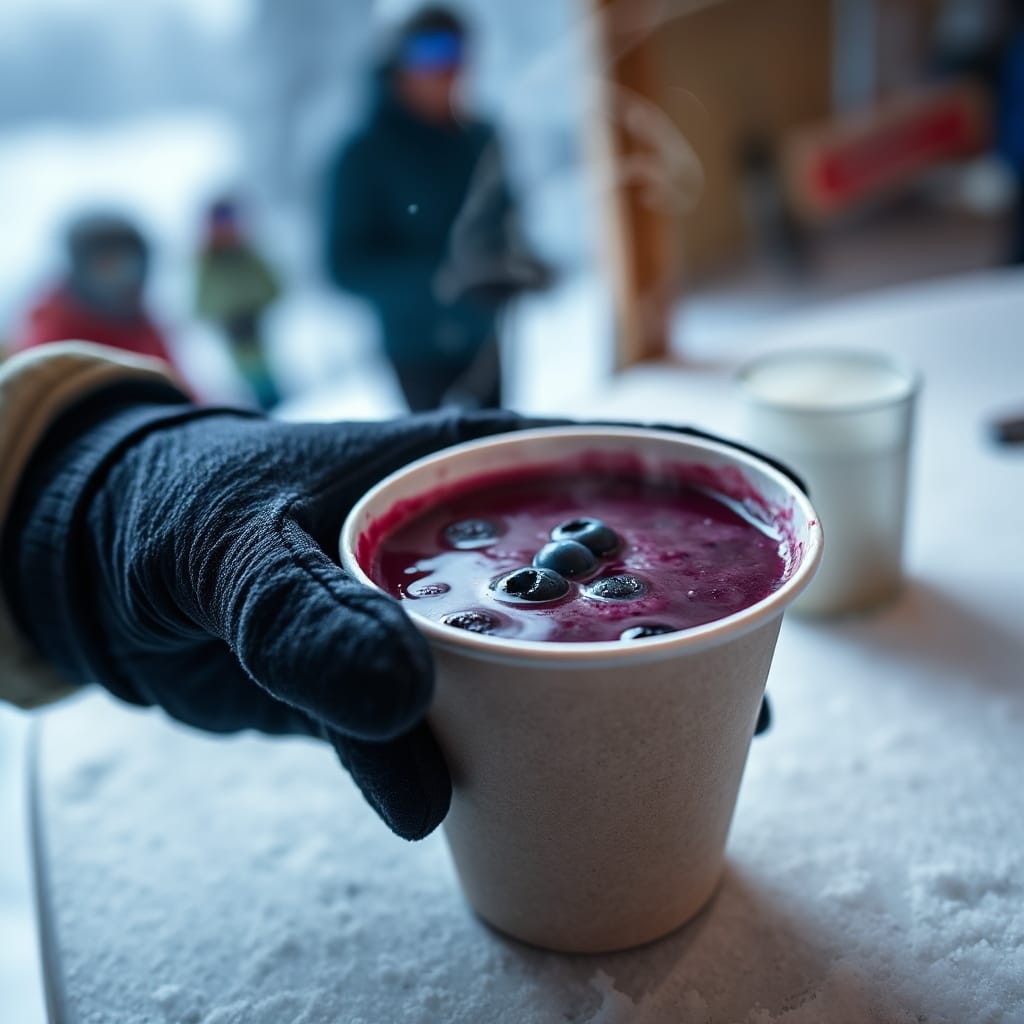
There are feed stations roughly every 10 kilometres, with warm sports drink, blueberry soup and buns. I skipped the first one because I felt fine and did not want to lose time. That was mistake number two.
The rule the experienced skiers follow is simple: drink and eat before you need it. At minus eight degrees you do not feel thirsty, but you are breathing out a surprising amount of water in that dry air. By the third station I was drinking three cups at a time and still feeling flat.
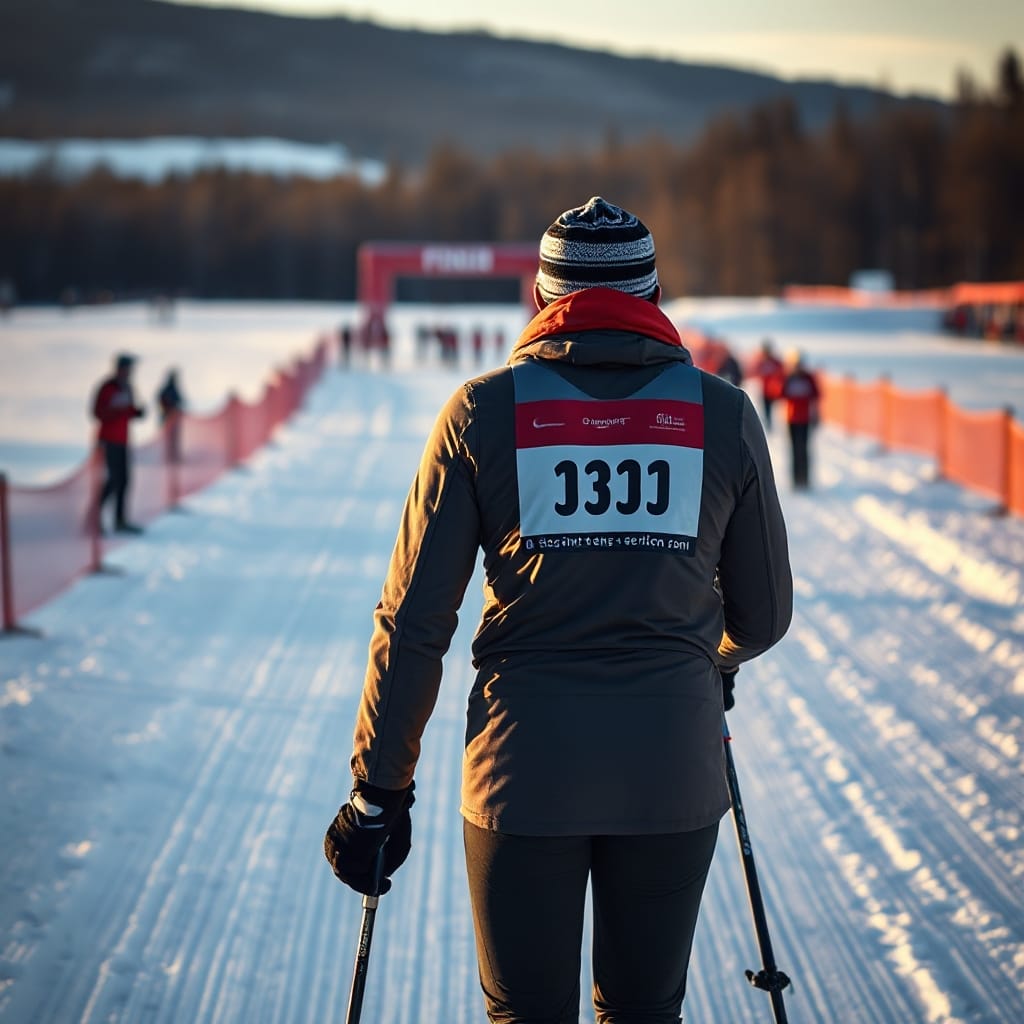
Things I would do differently
- Start in a later wave, even if my seeding allowed an earlier one, so the crowd does not pull me along.
- Set a hard heart rate cap for the first hour and actually obey it.
- Eat something at every single station, even if it is only half a bun.
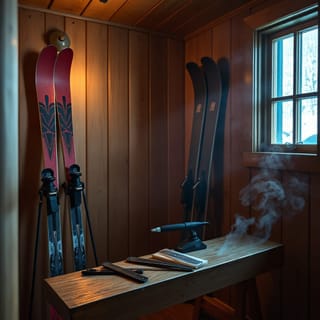
- Test the wax on the morning of the race instead of trusting the forecast from two days earlier.
Why I am going back
Despite the cramps, the finish was one of the best moments of my year. Volunteers rang cowbells, a child handed me a paper cup of warm juice, and my wife was waiting with dry socks. I have already signed up again. My goal is not a faster time. My goal is to finish behind nobody over 70, and I suspect that will be harder than it sounds.